Picture this: you’re making a delicious pesto, but you're out of fresh basil! A quick trip to the grocery store solves the problem, but what if you could extend the life of that store-bought basil and create an endless supply? The good news is, with a little know-how, you absolutely can! Growing Basil From Store-Bought: A Complete Guide So, can you really grow basil from store bought bunches? Absolutely! It's a fantastic way to save money, reduce waste, and enjoy fresh basil whenever you need it. However, the success of growing basil from store bought depends on a few key factors. This article will walk you through the entire process, from selecting the right basil to harvesting your homegrown leaves. We'll cover everything you need to know to successfully propagate basil from your grocery store haul. Selecting the Right Store-Bought Basil for Propagation Not all store-bought basil is created equal when it comes to propagation. To increase your ...
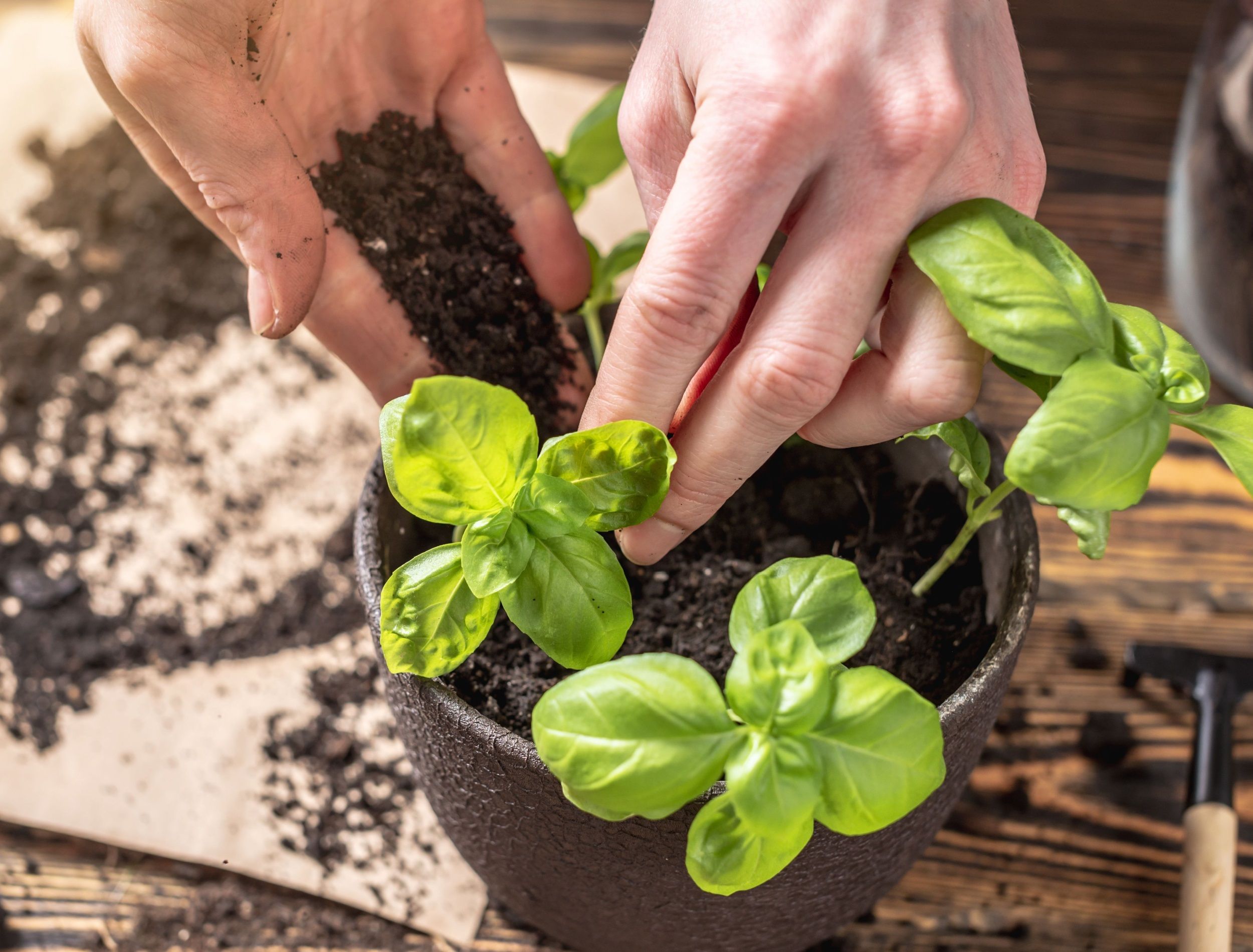
The aroma of fresh basil is enough to make anyone's mouth water, isn't it? Imagine adding that homegrown basil to your favorite pasta dish or enjoying a refreshing caprese salad made with your own harvest. The good news is, growing basil from seed is a rewarding experience and relatively quick. But exactly how long does it take to go from seed to deliciousness?
How Long Does It Take to Grow Basil from Seed?
The million-dollar question, right? Generally speaking, it takes approximately4 to 8 weeks to grow basil from seed to a size where you can begin harvesting leaves. This timeframe, however, is influenced by several factors, including the specific basil variety, environmental conditions, and the quality of your care. Let's delve deeper into each aspect to get a clearer picture of the basil growing timeline.
Germination Time: The First Stage of Basil Growth
The first step in your basil-growing journey is germination – the process where the seed sprouts and begins to grow. Basil seeds are relatively quick to germinate, typically taking5 to 10 days under optimal conditions. What are these optimal conditions? They include:
- Warmth: Basil loves warmth. Aim for a soil temperature between 70-80°F (21-27°C). A heat mat can be beneficial, especially if you're starting seeds indoors during cooler months.
- Moisture: Keep the soil consistently moist, but not waterlogged. Overwatering can lead to the seeds rotting before they even sprout. A spray bottle is your friend during this stage.
- Light: While light isn't crucial for germination itself, providing indirect sunlight after the seedlings emerge will help them thrive.
If the temperature is cooler, germination can take longer, even up to two weeks or more. Remember that patience is key! Don't give up on your seeds too soon.
Seedling Development: Nurturing Your Basil Babies
Once your basil seedlings have emerged, the next phase is nurturing them into strong, healthy plants. This is where the bulk of the "how many weeks to grow basil from seed" timeline comes into play. This phase generally takes3 to 6 weeks. During this time, you'll focus on providing the right conditions for robust growth. Here are some crucial factors:
Light: Basil seedlings require plenty of light to develop. If you're growing them indoors, a grow light is highly recommended. Aim for 14-16 hours of light per day. Insufficient light can lead to leggy, weak seedlings.
Watering: Continue to water regularly, allowing the soil to dry out slightly between waterings. Avoid overwatering, as this can lead to root rot.
Fertilizing: Once the seedlings have their first set of true leaves (the second set of leaves after the initial seed leaves), you can start fertilizing them with a diluted liquid fertilizer. A balanced fertilizer (e.g., 10-10-10) diluted to half strength is a good option.
Thinning: If you sowed your seeds closely together, you'll need to thin them out to allow each plant enough space to grow. Choose the strongest seedlings and snip off the weaker ones at the soil line.
Factors Affecting Basil Growth Time
Several factors can influencehow many weeks it takes to grow basil from seed and reach a harvestable size. Understanding these factors can help you optimize your growing conditions and potentially speed up the process.
Basil Variety: Different basil varieties have different growth rates. For example, smaller varieties like Spicy Globe basil may mature slightly faster than larger varieties like Genovese basil.
Environmental Conditions: As mentioned earlier, temperature and light play a crucial role. Basil thrives in warm temperatures and plenty of sunlight. Cold temperatures or insufficient light can significantly slow down growth.
Soil Quality: Well-draining, fertile soil is essential for healthy basil growth. Amend your soil with compost or other organic matter to improve drainage and nutrient content.
Watering Practices: Consistent and appropriate watering is crucial. Overwatering or underwatering can both hinder growth.
Fertilizing: Providing adequate nutrients through fertilization can promote faster growth and larger leaves.
Pest and Disease Control: Pests like aphids and diseases like fungal infections can weaken your basil plants and slow down their growth. Regularly inspect your plants and take appropriate measures to control any problems.
Harvesting Your Basil: The Sweet Reward
After patiently waiting and diligently caring for your basil plants, the moment of truth arrives: harvesting! You can start harvesting basil leaves when the plants are about 6-8 inches tall. Pinch off the top sets of leaves to encourage the plant to bush out. Regular harvesting will actually promote more growth. In general, you can anticipate your basil plants being ready to harvest roughly 4 to 8 weeks following sowing the seeds, depending on those key environmental variables.
Growing basil from seed is a rewarding experience that allows you to enjoy fresh, flavorful basil throughout the growing season. By understanding the factors that influence basil growth time and providing the right conditions, you can optimize your results and enjoy a bountiful harvest.
To ensure your basil plants get the consistent water they need, consider investing in a reliable watering system. AGarden Hose 75 FT with 10-Function Nozzle, Leak-proof Metal Connector Water Hose, No Knots, Kink-Free, Lighter, Anti-Pets, Wear-Resistant, 3/4 GHT, Metal Hose for Garden, Yard, Outdoor will make watering your garden a breeze. With its durable construction and versatile nozzle, this seventy-five-foot garden water hose with metal connectors will be a valuable addition to your gardening arsenal. Check it out here: https://amzn.to/3Yv E0Bo.