Picture this: you’re making a delicious pesto, but you're out of fresh basil! A quick trip to the grocery store solves the problem, but what if you could extend the life of that store-bought basil and create an endless supply? The good news is, with a little know-how, you absolutely can! Growing Basil From Store-Bought: A Complete Guide So, can you really grow basil from store bought bunches? Absolutely! It's a fantastic way to save money, reduce waste, and enjoy fresh basil whenever you need it. However, the success of growing basil from store bought depends on a few key factors. This article will walk you through the entire process, from selecting the right basil to harvesting your homegrown leaves. We'll cover everything you need to know to successfully propagate basil from your grocery store haul. Selecting the Right Store-Bought Basil for Propagation Not all store-bought basil is created equal when it comes to propagation. To increase your ...
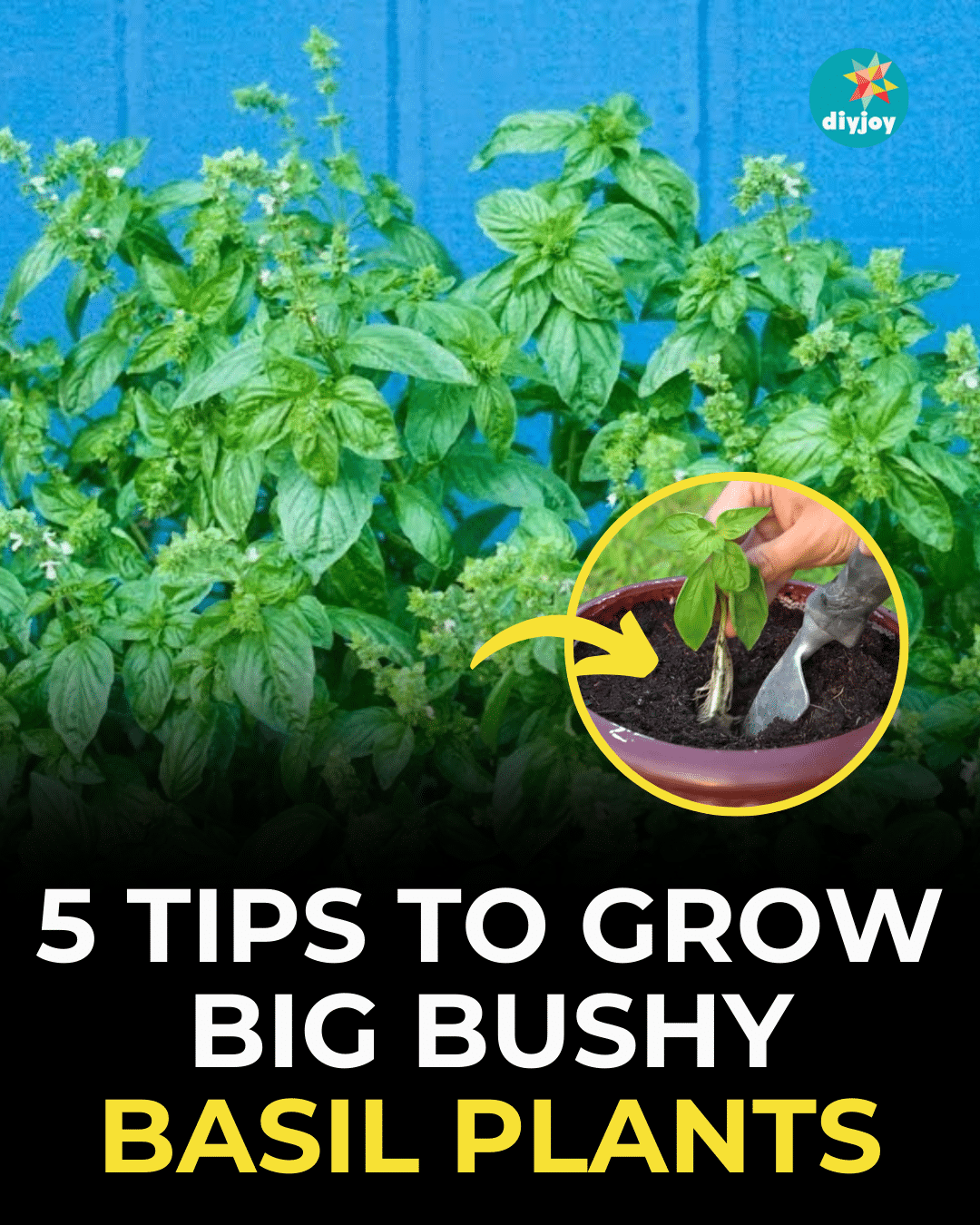
There's nothing quite like the fresh, vibrant flavor of basil straight from your garden. But are you tired of basil plants that are tall, spindly, and lacking that lush, bushy appearance you've always dreamed of? Don't worry, achieving a bountiful basil harvest isn't a matter of luck – it's a matter of technique. Let's dive into how you can transform your basil plants from leggy stems to flourishing, fragrant bushes.
Unlocking Bushier Basil: The Secrets to a Thriving Herb
Basil, scientifically known as Ocimum basilicum, is a beloved herb known for its culinary versatility and aromatic leaves. However, many gardeners struggle with getting their basil plants to grow bushy. Instead of a compact, full plant, they end up with sparse, tall stems that produce fewer leaves. Understanding the factors that influence basil growth and employing the right techniques can make all the difference. By focusing on proper pruning, adequate sunlight, and optimal growing conditions, you can encourage your basil to grow bushy and provide you with a generous supply of fresh leaves throughout the growing season.
Pruning: The Key to Encouraging Bushy Basil Growth
Pruning is arguably the most important factor in promoting bushy growth in basil plants. It's not just about taking leaves; it's about strategically shaping the plant to encourage lateral branching. When you prune basil, you are essentially telling the plant to redirect its energy from vertical growth to horizontal growth, resulting in a bushier, more productive plant. Think of it as a haircut that stimulates new growth!
Pinching Back Early
The first pruning, or pinching, should happen early, when your basil plant is still young, typically around 6-8 inches tall and has at least 3-4 sets of true leaves. Find the central stem and pinch it off just above a set of leaves. This is often the hardest part for new gardeners, as it feels counterintuitive to cut back a young plant. However, this initial pinching is crucial. By removing the dominant central stem, you force the plant to send out new shoots from the leaf nodes below the cut. This creates more stems, and thus, more leaves!
Regular Harvesting Encourages Bushy Growth
Don't wait until you need a large amount of basil. Regular harvesting is essentially a form of pruning and helps to maintain the desired shape. When harvesting, avoid simply plucking individual leaves. Instead, cut the stem just above a leaf node. This will encourage two new stems to grow from that point, effectively doubling your basil production with each harvest. Think of it as a virtuous cycle: the more you harvest, the bushier your plant becomes, and the more basil you have to harvest! A good rule of thumb is to harvest about 1/3 of the plant's growth at any one time.
Pruning Flower Buds
Basil is an annual plant, and its ultimate goal is to reproduce. Once it starts producing flower buds, the plant's energy is diverted towards seed production, often at the expense of leaf growth. Flowering basil also tends to develop a slightly bitter flavor. Therefore, it's essential to pinch off any flower buds as soon as you see them. This keeps the plant focused on producing flavorful leaves and maintains its bushy shape. Regularly inspect your plants and remove any emerging flower spikes to ensure continuous vegetative growth. You can also save the flowers to attract beneficial pollinators to your garden!
Here’s a summary table of key basil pruning practices:
| Pruning Stage | Action | Benefit |
|---|---|---|
| --- | --- | --- |
| Early Stage (6-8 inches tall) | Pinch off the central stem above a leaf node | Encourages lateral branching and bushier growth |
| Regular Harvesting | Cut stems above leaf nodes | Doubles the number of stems and increases leaf production |
| Flower Bud Removal | Pinch off flower buds as soon as they appear | Prevents energy diversion towards seed production, maintains flavor |
Optimizing Growing Conditions to Promote Bushy Basil
While pruning is essential, providing the right growing conditions is equally important for encouraging bushy basil growth. Basil plants thrive in warm temperatures, plenty of sunlight, and well-draining soil. Neglecting these factors can hinder growth and prevent your basil from reaching its full potential.
Sunlight: The Fuel for Bushy Growth
Basil needs at least 6-8 hours of direct sunlight per day to thrive. Insufficient sunlight will result in leggy, weak growth, with the plant stretching towards the light source. If you're growing basil indoors, place it near a sunny window or provide supplemental light using grow lights. When planting outdoors, choose a location that receives ample sunlight throughout the day. A south-facing location is often ideal.
Soil and Nutrients: Feeding Your Basil for Success
Basil prefers well-draining soil that is rich in organic matter. Amend your soil with compost or well-rotted manure before planting to provide essential nutrients and improve drainage. A slightly acidic to neutral soil p H (around 6.0-7.0) is ideal. Consider using a slow-release fertilizer or liquid fertilizer specifically formulated for herbs to provide a consistent supply of nutrients. Avoid over-fertilizing, as this can lead to excessive foliage growth at the expense of flavor. A balanced fertilizer, such as a 10-10-10 or 5-5-5, applied sparingly, is often sufficient.
Watering: Finding the Right Balance
Basil needs consistent moisture but doesn't like to be waterlogged. Water deeply when the top inch of soil feels dry to the touch. Avoid overhead watering, as this can increase the risk of fungal diseases. Instead, water at the base of the plant. During hot, dry weather, you may need to water more frequently. Mulching around the base of the plant can help to retain moisture and suppress weeds. Consider using agarden hose 75 FT with a 10-Function Nozzle like the one available on Amazon (https://amzn.to/3Yv E0Bo). These versatile watering tools can help ensure your basil receives consistent moisture without overwatering, which is essential for healthy, bushy growth. This75-foot water hose makes reaching all your plants a breeze!
Temperature: Basil Loves Warmth
Basil is a heat-loving herb and is sensitive to frost. It thrives in temperatures between 70°F and 85°F (21°C and 29°C). Wait until all danger of frost has passed before planting basil outdoors. In cooler climates, consider growing basil in containers so you can easily move them indoors if temperatures drop. Protecting basil from cold drafts and sudden temperature fluctuations can help to promote healthy, consistent growth.
Troubleshooting Common Basil Growing Problems
Even with the best care, basil plants can sometimes encounter problems. Identifying and addressing these issues promptly can prevent them from hindering your plant's growth and maintaining its bushy shape.
Pests: Keeping Unwanted Visitors at Bay
Basil plants can be susceptible to various pests, including aphids, spider mites, and Japanese beetles. Regularly inspect your plants for signs of infestation, such as yellowing leaves, sticky residue, or visible pests. Treat infestations promptly using organic pest control methods, such as insecticidal soap or neem oil. Handpicking pests off the plant can also be effective for small infestations. Encouraging beneficial insects, such as ladybugs and lacewings, can help to control pest populations naturally.
Diseases: Preventing and Managing Fungal Issues
Basil is prone to fungal diseases, such as downy mildew and fusarium wilt, especially in humid conditions. To prevent fungal diseases, ensure good air circulation around your plants by spacing them adequately and avoiding overhead watering. Remove any infected leaves promptly to prevent the disease from spreading. Apply a fungicide if necessary, following the manufacturer's instructions carefully. Choose disease-resistant varieties of basil to minimize the risk of fungal problems.
Yellowing Leaves: Identifying the Cause
Yellowing leaves can indicate a variety of problems, including nutrient deficiencies, overwatering, underwatering, or pest infestations. Inspect your plant carefully to determine the cause of the yellowing. Check the soil moisture, look for signs of pests, and consider testing your soil to assess nutrient levels. Adjust your watering and fertilization practices as needed. If pests are the culprit, treat them accordingly. Addressing the underlying cause of yellowing leaves is crucial for restoring your basil plant to health and promoting bushy growth.
Conclusion: Enjoying a Bushy Basil Bonanza
By understanding the principles of pruning and providing optimal growing conditions, you can easily encourage your basil to grow bushy and enjoy a bountiful harvest of fresh, flavorful leaves. Remember that consistent pruning, adequate sunlight, well-draining soil, and proper watering are all essential for success. Don't be afraid to experiment and find what works best for your specific growing conditions. With a little patience and attention, you'll be rewarded with healthy, productive basil plants that will enhance your culinary creations for months to come.