Picture this: you’re making a delicious pesto, but you're out of fresh basil! A quick trip to the grocery store solves the problem, but what if you could extend the life of that store-bought basil and create an endless supply? The good news is, with a little know-how, you absolutely can! Growing Basil From Store-Bought: A Complete Guide So, can you really grow basil from store bought bunches? Absolutely! It's a fantastic way to save money, reduce waste, and enjoy fresh basil whenever you need it. However, the success of growing basil from store bought depends on a few key factors. This article will walk you through the entire process, from selecting the right basil to harvesting your homegrown leaves. We'll cover everything you need to know to successfully propagate basil from your grocery store haul. Selecting the Right Store-Bought Basil for Propagation Not all store-bought basil is created equal when it comes to propagation. To increase your ...
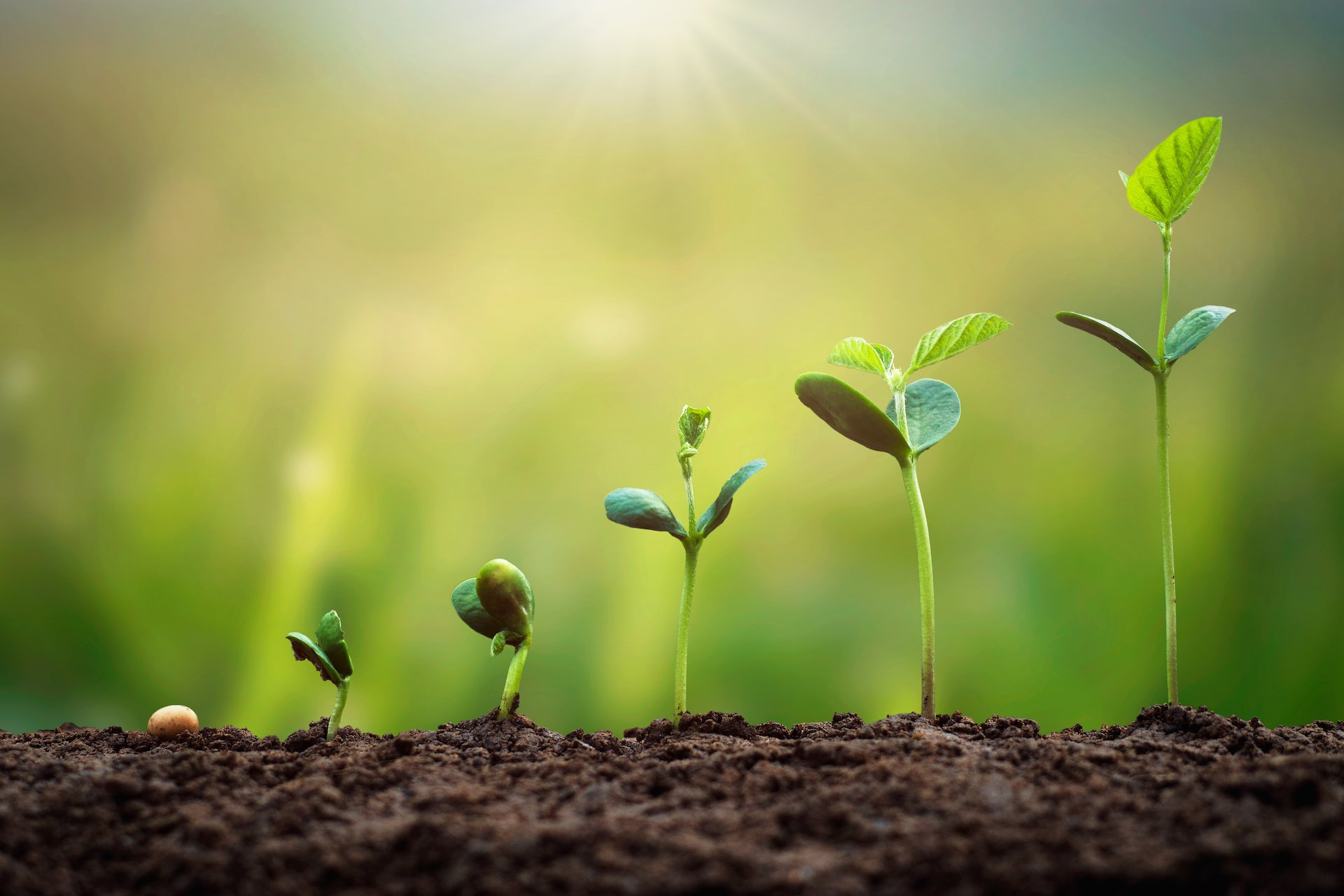
Ah, basil. The fragrant herb that elevates everything from a simple Caprese salad to a flavorful pesto. But for those of us in New England, growing basil successfully can feel like a bit of a gamble. The weather can be unpredictable, with late frosts and short summers. Don't worry, with the right knowledge and techniques, you can enjoy a bountiful basil harvest right here in New England.
How To Grow Basil In New England: A Comprehensive Guide
Understanding the Challenges of Growing Basil in New England
New England presents some unique hurdles for basil cultivation. Basil thrives in warm weather, and our cool springs and unpredictable summers can be challenging. Here's a breakdown of the main issues:
- Short Growing Season: New England's frost-free period is significantly shorter than in warmer climates. This means a limited window for basil to mature and produce.
- Cool Temperatures: Basil is extremely sensitive to cold. Temperatures below 50°F (10°C) can stunt its growth or even kill it.
- Late Spring Frosts: Unexpected frosts in late spring can decimate young basil plants.
- Soil Temperature: Basil needs warm soil to germinate and grow vigorously. Cold soil can lead to poor germination and slow growth.
Despite these challenges, growing healthy, flavorful basil in New England is definitely achievable with proper planning and care. The key is to mitigate these issues by starting early, providing protection from the cold, and ensuring the plants receive adequate sunlight and warmth.
Choosing the Right Basil Varieties for New England
Not all basil varieties are created equal, especially when it comes to thriving in a cooler climate. Some varieties are more cold-tolerant and faster-growing, making them better suited for New England gardens. Here are a few excellent choices:
- Genovese Basil: This is the classic basil for pesto and Italian dishes. It's relatively fast-growing and productive. Look for "Compact Genovese" varieties, which are bushier and more resilient to cooler temperatures.
- Italian Large Leaf Basil: As the name suggests, this basil has large, flavorful leaves that are perfect for salads and sandwiches. It tends to be more vigorous than Genovese and can tolerate slightly cooler conditions.
- Lemon Basil: This basil has a bright, citrusy flavor that complements fish and poultry. It's relatively compact and can handle cooler temperatures better than some other varieties.
- Thai Basil: With its anise-like flavor, Thai basil is a staple in Southeast Asian cuisine. It's more heat-tolerant than Genovese basil, but it can also adapt to cooler conditions if given enough sunlight.
- Spicy Globe Basil: A small, compact variety that's great for containers. It has a slightly spicy flavor and is relatively cold-hardy.
When selecting your basil varieties, consider your culinary preferences and the microclimate of your garden. For example, if you have a particularly sunny spot, you might be able to grow more heat-loving varieties. Always read the seed packet or plant tag for information on the specific variety's growing requirements.
Starting Basil Seeds Indoors: Giving Yourself a Head Start
Due to the short growing season in New England, starting basil seeds indoors is highly recommended. This gives your plants a head start and ensures they're large enough to withstand the outdoor conditions when the weather warms up. Here’s how to do it:
- Timing: Start your basil seeds 6-8 weeks before the last expected frost in your area. In New England, this is typically around late March or early April.
- Materials: You'll need seed starting trays or small pots, seed starting mix (a sterile, well-draining mix), basil seeds, a spray bottle, and a grow light or sunny windowsill.
- Sowing: Moisten the seed starting mix and fill the trays or pots. Sow the basil seeds about 1/4 inch deep. Gently water with a spray bottle.
- Germination: Cover the trays or pots with a clear plastic dome or plastic wrap to create a humid environment. Place them in a warm location (70-80°F). Basil seeds typically germinate in 5-10 days.
- Light: Once the seedlings emerge, remove the plastic cover and provide them with plenty of light. A grow light is ideal, but a sunny windowsill can also work. Rotate the seedlings regularly to prevent them from becoming leggy.
- Watering: Keep the soil consistently moist, but not soggy. Water when the top inch of soil feels dry.
- Hardening Off: Before transplanting your basil seedlings outdoors, you need to harden them off. This means gradually exposing them to outdoor conditions over a period of 1-2 weeks. Start by placing them in a sheltered location for a few hours each day, gradually increasing the amount of time they spend outside.
Hardening off is crucial to prevent transplant shock and ensure your basil plants thrive in their new outdoor environment. Don't skip this step!
Preparing the Soil and Choosing the Right Location for Basil
Basil loves well-drained, fertile soil that's rich in organic matter. Before planting, amend your garden soil with compost, aged manure, or other organic amendments. This will improve drainage, provide essential nutrients, and help retain moisture. Here are some key considerations:
- Soil p H: Basil prefers a slightly acidic to neutral soil p H of 6.0-7.5. Test your soil and amend it accordingly if necessary.
- Sunlight: Basil needs at least 6-8 hours of direct sunlight per day to thrive. Choose a location that receives plenty of sunshine throughout the day.
- Drainage: Basil doesn't like wet feet. Make sure the soil drains well to prevent root rot. If you have heavy clay soil, consider planting basil in raised beds or containers.
- Protection from Wind: Basil plants can be delicate, especially when they're young. Choose a location that's sheltered from strong winds.
You can also add a slow-release fertilizer to the soil at planting time to provide your basil plants with a steady supply of nutrients. Follow the instructions on the fertilizer package carefully to avoid over-fertilizing.
Transplanting Basil Seedlings Outdoors in New England
The timing of transplanting basil seedlings outdoors is critical in New England. Wait until all danger of frost has passed and the soil has warmed up to at least 60°F (15°C). This is typically around late May or early June. Here's how to transplant your basil seedlings:
- Spacing: Space your basil plants 12-18 inches apart to allow for good air circulation.
- Planting Depth: Dig a hole that's slightly larger than the root ball of the seedling. Gently remove the seedling from its pot and loosen the roots. Plant the seedling at the same depth it was growing in the pot.
- Watering: Water the seedlings thoroughly after planting.
- Mulching: Mulch around the plants with straw, wood chips, or other organic mulch to help retain moisture, suppress weeds, and regulate soil temperature.
Consider using row covers or other protective measures to shield your basil plants from late frosts or cool temperatures. These covers can also help protect the plants from pests.
Caring for Your Basil Plants Throughout the Growing Season
Once your basil plants are established, it's important to provide them with regular care to ensure they continue to thrive. Here are some key maintenance tasks:
- Watering: Water regularly, especially during hot, dry weather. Basil needs consistent moisture, but avoid overwatering, which can lead to root rot.
- Fertilizing: Fertilize every 2-3 weeks with a balanced liquid fertilizer.
- Pinching and Pruning: Pinch off the top sets of leaves regularly to encourage bushy growth. Once the plants start to flower, pinch off the flower buds to prevent the plants from going to seed. Going to seed will cause the plant to stop producing leaves and diminish its flavor.
- Weeding: Keep the area around your basil plants free of weeds. Weeds can compete with basil for nutrients and water.
- Pest and Disease Control: Monitor your basil plants for pests and diseases. Common pests include aphids, spider mites, and Japanese beetles. Common diseases include fungal diseases like powdery mildew and downy mildew. Treat any problems promptly with organic pest control methods or fungicides.
Harvesting and Storing Your Basil
Harvest your basil regularly throughout the growing season. The more you harvest, the more the plants will produce. Here's how to harvest and store your basil:
- Harvesting: Harvest basil leaves in the morning, after the dew has dried. Cut the stems just above a leaf node. This will encourage the plant to produce new growth.
- Fresh Storage: To store fresh basil, place the stems in a glass of water like you would a bouquet of flowers. Cover the leaves with a plastic bag and store in the refrigerator. This will keep the basil fresh for several days.
- Freezing: To freeze basil, chop the leaves and mix them with a little olive oil. Freeze the mixture in ice cube trays. Once frozen, transfer the basil cubes to a freezer bag.
- Drying: You can also dry basil leaves. Spread the leaves out on a screen or baking sheet and dry them in a cool, dark place. Once the leaves are dry, store them in an airtight container.
Troubleshooting Common Basil Problems in New England
Even with the best care, you might encounter some problems when growing basil in New England. Here are some common issues and how to address them:
- Yellowing Leaves: Yellowing leaves can be caused by overwatering, underwatering, nutrient deficiencies, or pest infestations. Check the soil moisture, fertilize if necessary, and inspect the plants for pests.
- Stunted Growth: Stunted growth can be caused by cold temperatures, poor soil, or lack of sunlight. Ensure the plants are getting enough sunlight, amend the soil with compost, and protect the plants from cold temperatures.
- Fungal Diseases: Fungal diseases like powdery mildew and downy mildew can be caused by excessive moisture and poor air circulation. Improve air circulation by spacing plants properly and pruning regularly. Treat the plants with an organic fungicide if necessary.
- Pest Infestations: Pests like aphids, spider mites, and Japanese beetles can damage basil plants. Inspect the plants regularly and treat any infestations with organic pest control methods.
Enjoying Your Homegrown Basil
Growing your own basil in New England can be a rewarding experience. There's nothing quite like the taste of fresh, homegrown basil in your favorite dishes. Experiment with different varieties and find the ones that thrive in your garden. With a little planning and care, you can enjoy a bountiful basil harvest all summer long!
Speaking of enjoying your garden, make sure you have the right tools to keep it thriving. I recently got a "Garden Hose 75 FT with 10-Function Nozzle, Leak-proof Metal Connector Water Hose, No Knots, Kink-Free, Lighter, Anti-Pets, Wear-Resistant, 3/4 GHT, Metal Hose for Garden, Yard, Outdoor" and it has made watering my garden so much easier. This seventy-five foot Garden Watering Hose with it's many spray functions is truly a great product. It's lightweight, kink-free, and makes watering my basil a breeze! You can find a reliable garden hose like this one here: https://amzn.to/3Yv E0Bo.