Picture this: you’re making a delicious pesto, but you're out of fresh basil! A quick trip to the grocery store solves the problem, but what if you could extend the life of that store-bought basil and create an endless supply? The good news is, with a little know-how, you absolutely can! Growing Basil From Store-Bought: A Complete Guide So, can you really grow basil from store bought bunches? Absolutely! It's a fantastic way to save money, reduce waste, and enjoy fresh basil whenever you need it. However, the success of growing basil from store bought depends on a few key factors. This article will walk you through the entire process, from selecting the right basil to harvesting your homegrown leaves. We'll cover everything you need to know to successfully propagate basil from your grocery store haul. Selecting the Right Store-Bought Basil for Propagation Not all store-bought basil is created equal when it comes to propagation. To increase your ...
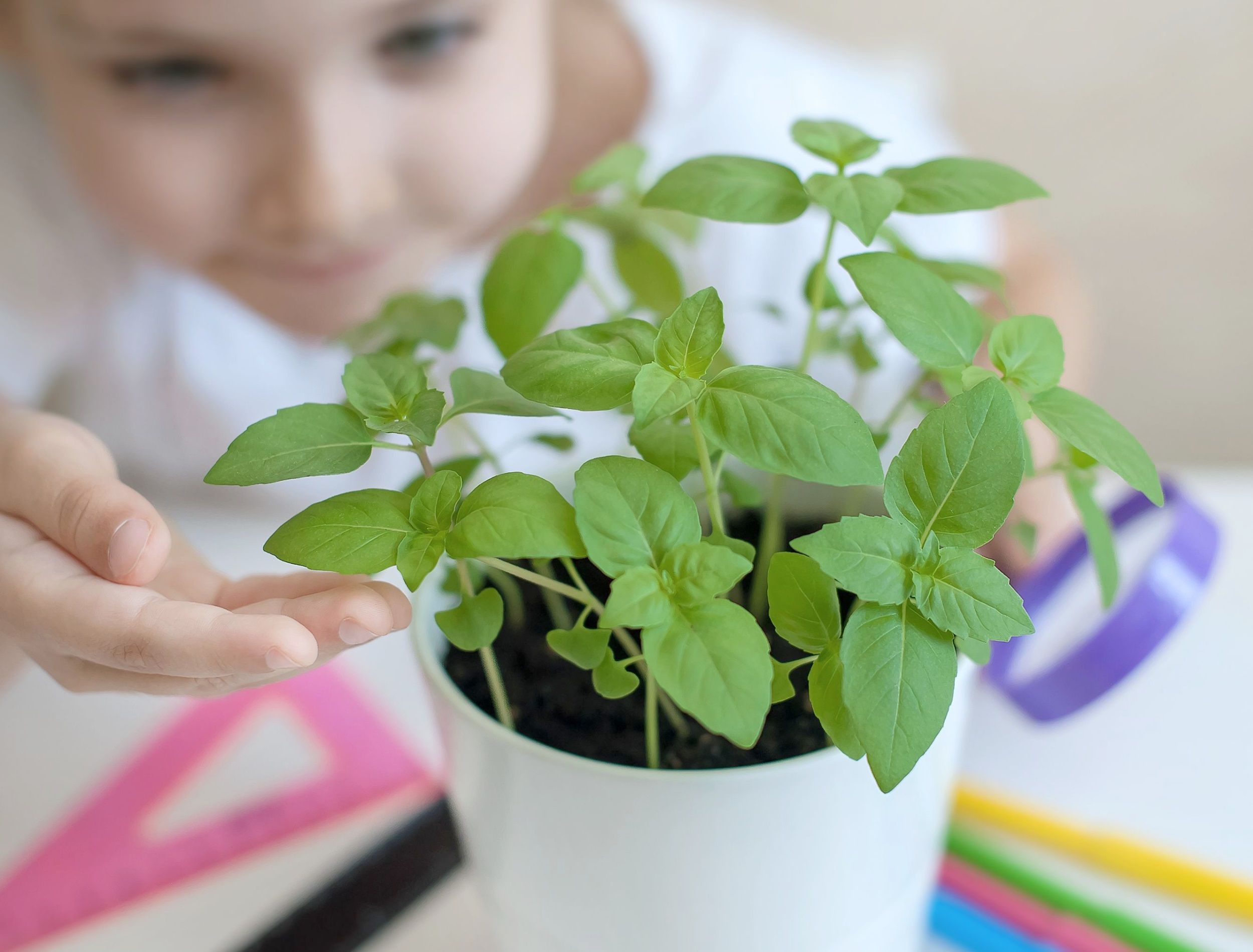
Imagine fresh, fragrant basil leaves right at your fingertips, ready to elevate your dishes any time of year. No need to brave the grocery store or rely on less-than-fresh herbs. With a little know-how, you can cultivate a thriving basil plant indoors, bringing a touch of summer to your kitchen, regardless of the season. Let's dive into the secrets of growing basil indoors successfully!
Tips on Growing Basil Indoors: A Comprehensive Guide
Choosing the Right Basil Variety for Indoor Growing
Not all basil varieties are created equal, especially when it comes to indoor cultivation. Some thrive under artificial light and in the confined spaces of pots, while others are more demanding. When choosing your basil, consider compact varieties that are well-suited for containers. Here are a few excellent choices:
- Genovese Basil: The classic choice for pesto and Italian dishes. It's relatively easy to grow indoors and offers a robust flavor.
- Dwarf Basil: As the name suggests, this variety stays small and compact, making it perfect for small pots and limited space. It also has a slightly milder flavor than Genovese basil.
- Lemon Basil: Adds a citrusy twist to your culinary creations. Its unique flavor pairs well with fish, salads, and teas. Lemon basil is also relatively easy to grow indoors.
- Thai Basil: Distinct anise-like flavor, commonly used in Southeast Asian cuisine. While it can be grown indoors, it might need slightly more attention to light and temperature compared to other varieties.
When selecting your basil seeds or seedlings, consider your available space and desired flavor profile. Starting from seeds gives you more control over the entire growing process, but purchasing seedlings allows you to enjoy fresh basil sooner.
Essential Steps for Growing Basil Indoors Successfully
Growing basil indoors requires providing the right conditions for its optimal growth. Let's explore the key elements you need to consider:
Light: The Key to a Thriving Basil Plant Indoors
Basil craves sunlight! Without sufficient light, your basil plant will become leggy (tall and spindly) and produce fewer leaves with a less intense flavor. Ideally, basil needs at least 6-8 hours of direct sunlight per day. This can be a challenge indoors, especially during the winter months. Here's how to ensure your basil gets enough light:
- South-Facing Window: The best option for maximum sunlight exposure. Place your basil plant directly in front of a south-facing window to capture the most light.
- Grow Lights: If natural light is limited, invest in grow lights. Fluorescent or LED grow lights are excellent choices. Position the lights a few inches above the basil plant and keep them on for 14-16 hours a day. This is crucial for successfully growing basil inside.
- Rotating the Plant: Regularly rotate your basil plant to ensure all sides receive equal exposure to light. This will prevent it from leaning towards the light source and promote even growth.
Soil and Potting: Setting the Foundation
The right soil and pot are essential for healthy basil growth. Choose a well-draining potting mix that is rich in organic matter. A mix of peat moss, perlite, and vermiculite works well. Avoid using garden soil, as it can compact easily and hinder drainage.
Select a pot that is at least 6 inches in diameter and has drainage holes. Basil needs room to grow, and proper drainage is crucial to prevent root rot. Terracotta pots are a good option because they allow the soil to breathe.
Case Study: A gardener in a northern climate struggled to grow basil indoors during the winter months. After switching to a well-draining potting mix and using LED grow lights, their basil plant thrived, producing a steady supply of fresh leaves even in the dead of winter.
Watering: Finding the Right Balance
Basil needs consistent moisture, but it doesn't like to be waterlogged. Water your basil plant when the top inch of soil feels dry to the touch. Water thoroughly until water drains out of the drainage holes. Avoid getting water on the leaves, as this can promote fungal diseases.
Overwatering is a common mistake that can lead to root rot. To prevent this, ensure your pot has adequate drainage and allow the soil to dry out slightly between waterings. During the warmer months, you may need to water your basil plant more frequently. During the cooler months, watering should be less frequent.
Temperature and Humidity: Creating the Ideal Environment
Basil thrives in warm temperatures, ideally between 65°F and 80°F (18°C and 27°C). Avoid placing your basil plant near drafts or cold windows. Maintain a moderate humidity level, around 40-60%. If the air is too dry, you can increase humidity by using a humidifier or placing a tray of water near the plant.
Fact: Basil is sensitive to frost. If you live in an area with cold winters, make sure to bring your basil plant indoors before the first frost.
Fertilizing: Providing Essential Nutrients
Basil is a relatively heavy feeder and benefits from regular fertilization. Use a balanced liquid fertilizer diluted to half strength every 2-4 weeks. Follow the instructions on the fertilizer package carefully. Avoid over-fertilizing, as this can burn the roots.
Organic fertilizers, such as compost tea or fish emulsion, are also excellent choices. These fertilizers provide essential nutrients and promote healthy growth. During the growing season, fertilizing is particularly important to encourage leaf production.
Harvesting and Pruning: Encouraging Bushier Growth
Harvesting basil regularly not only provides you with fresh herbs but also encourages the plant to grow bushier. Pinch off the top sets of leaves to encourage side growth. Avoid removing more than one-third of the plant at a time.
When harvesting, focus on the larger leaves first. This will allow the smaller leaves to mature. Pinch off any flower buds that appear, as flowering will reduce leaf production. By pruning and harvesting strategically, you can enjoy a continuous supply of fresh basil leaves.
Quote: "The more you harvest, the more it grows!" This is especially true for basil. Regular harvesting encourages the plant to produce more leaves and maintain a compact shape.
Troubleshooting Common Problems When Growing Basil Indoors
Even with the best care, basil plants can sometimes encounter problems. Here are some common issues and how to address them:
- Yellowing Leaves: This can be caused by overwatering, underwatering, nutrient deficiency, or pests. Check the soil moisture, fertilize as needed, and inspect the plant for pests.
- Leggy Growth: This is usually a sign of insufficient light. Provide more light, either through a south-facing window or grow lights.
- Root Rot: This is caused by overwatering and poor drainage. Repot the plant in fresh, well-draining potting mix and avoid overwatering.
- Pests: Aphids, spider mites, and whiteflies can sometimes infest basil plants. Treat infestations with insecticidal soap or neem oil.
Extra Tips on Growing Basil Indoors
To further improve your chances of success, consider these additional tips:
- Air Circulation: Ensure good air circulation around your basil plant to prevent fungal diseases. A small fan can help improve air circulation.
- Cleanliness: Keep the area around your basil plant clean to prevent pests and diseases. Remove any dead leaves or debris.
- Successive Planting: Plant new basil seeds every few weeks to ensure a continuous supply of fresh herbs.
Having the right tools can make all the difference when it comes to gardening. One tool that I've found invaluable is a good, reliable garden hose. This75 FT Garden Hose, featuring a durable and kink-free design, makes watering my plants, especially those larger outdoor plants, so much easier. Plus, the 10-function nozzle provides the versatility I need to gently water delicate seedlings or give a more powerful spray when cleaning up. If you're looking to upgrade your watering setup, you can check it out here:Garden Hose 75 FT with 10-Function Nozzle.
Growing basil indoors can be a rewarding experience. With a little patience and attention to detail, you can enjoy a continuous supply of fresh, fragrant basil leaves all year round. So, grab your seeds, find a sunny spot, and get ready to embark on your indoor basil growing adventure!