Picture this: you’re making a delicious pesto, but you're out of fresh basil! A quick trip to the grocery store solves the problem, but what if you could extend the life of that store-bought basil and create an endless supply? The good news is, with a little know-how, you absolutely can! Growing Basil From Store-Bought: A Complete Guide So, can you really grow basil from store bought bunches? Absolutely! It's a fantastic way to save money, reduce waste, and enjoy fresh basil whenever you need it. However, the success of growing basil from store bought depends on a few key factors. This article will walk you through the entire process, from selecting the right basil to harvesting your homegrown leaves. We'll cover everything you need to know to successfully propagate basil from your grocery store haul. Selecting the Right Store-Bought Basil for Propagation Not all store-bought basil is created equal when it comes to propagation. To increase your ...
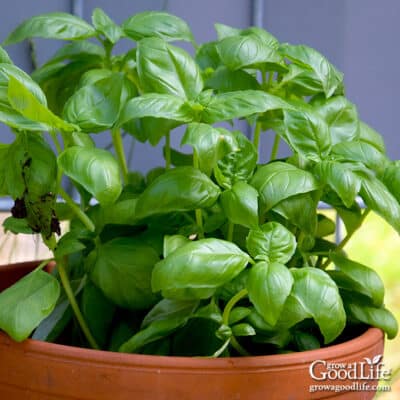
Ah, basil. The fragrant, flavorful herb that elevates everything from Caprese salads to pesto. But growing it in the challenging climate of Phoenix, Arizona, can feel like a culinary gamble. Fear not, desert gardeners! With a little planning and the right timing, you can enjoy a bountiful basil harvest right from your backyard.
Understanding Phoenix's Climate for Basil Growing
Phoenix's climate is characterized by scorching summers and mild winters. This extreme temperature range significantly impacts when and how you can successfully grow basil. The key to successful basil cultivation in Phoenix is to avoid the intense summer heat and protect your plants from frost during the brief winter cold snaps.
The Basil Growing Challenge: Phoenix's Heat
Basil is a warm-weather herb, but it dislikes extreme heat. Temperatures consistently above 90°F (32°C) can cause basil to bolt, which means it prematurely goes to seed. Bolting significantly reduces leaf production and can make the leaves taste bitter. Therefore, understanding how to mitigate the heat is key for growing basil in Phoenix.
- Bolting: High temperatures can cause basil plants to focus on reproduction (seed production) instead of foliage growth.
- Sunscald: Direct, intense sunlight can scorch the leaves, leading to unsightly brown patches and stunted growth.
- Water Stress: High temperatures increase the rate of evaporation, making it crucial to provide adequate watering.
Optimal Times for Planting Basil in Phoenix
Given Phoenix’s climate, there are two primary windows for planting basil: spring and fall. Let's explore each in detail.
Spring Planting (February - April)
Spring is generally the most favorable time to plant basil in Phoenix. As the weather warms up, the soil temperature becomes ideal for germination and early growth. Start seeds indoors 6-8 weeks before the last expected frost, or directly sow seeds outdoors once the soil temperature reaches at least 60°F (15°C). Be sure to monitor the weather forecast and protect young plants from any late frosts.
Key considerations for spring planting include:
- Soil Preparation: Amend the soil with compost to improve drainage and fertility. Basil prefers well-draining soil rich in organic matter.
- Sunlight: Provide at least 6 hours of sunlight per day, but be mindful of intense afternoon sun, especially as the season progresses.
- Watering: Water regularly, especially during hot and dry periods. Aim to keep the soil consistently moist but not waterlogged.
Fall Planting (August - October)
Fall offers a second opportunity to grow basil in Phoenix as temperatures begin to cool down. This allows the basil plants to mature before the onset of winter. Start seeds indoors in late summer or early fall, or directly sow seeds outdoors once the soil temperature cools down below 80°F (27°C). Fall-planted basil can often continue to produce throughout the winter with minimal protection.
Key considerations for fall planting include:
- Timing: Plant early enough to allow plants to establish before the first frost.
- Frost Protection: Be prepared to cover plants with frost cloth or move them indoors if temperatures drop below freezing.
- Sunlight: Ensure plants receive adequate sunlight, especially as the days get shorter.
Tips for Successful Basil Growing in Phoenix
Even with the right timing, growing basil successfully in Phoenix requires specific strategies to address the unique challenges of the desert climate.
Choosing the Right Variety
Some basil varieties are more heat-tolerant than others. Consider planting varieties like Thai basil or African Blue basil, which tend to be more resilient to high temperatures.
Providing Shade
Protecting basil from the intense afternoon sun is crucial. Use shade cloth, plant basil near taller plants that provide afternoon shade, or grow basil in containers that can be moved to shadier locations during the hottest part of the day.
Shade Cloth
Using shade cloth is a great way to protect your basil. The amount of shade depends on the kind of shade cloth used. Typically, 30-50% shade is a good range for providing enough sun while protecting against burning heat.
Watering Strategies
Water deeply and regularly, especially during hot weather. Avoid overhead watering, which can promote fungal diseases. Instead, water at the base of the plant to ensure that the roots receive adequate moisture. Consider using a soaker hose or drip irrigation system for efficient watering.
Speaking of watering, having a reliable watering solution is key. You might consider agarden hose with a 10-function nozzle for versatile watering options. Theleak-proof metal connector water hose, known for being kink-freeand wear-resistant, can make your gardening tasks much easier! You can find a great one here: https://amzn.to/3Yv E0Bo. With the right equipment, you’re one step closer to a successful basil harvest.
Soil Management
Amend the soil with plenty of organic matter to improve drainage and water retention. Basil prefers well-draining soil with a slightly acidic to neutral p H (6.0-7.5). Consider using raised beds or containers to improve drainage and control the soil environment.
Pest and Disease Control
Monitor your basil plants regularly for pests and diseases. Common pests include aphids, spider mites, and whiteflies. Control pests with insecticidal soap or neem oil. Prevent fungal diseases by providing good air circulation and avoiding overhead watering.
Pruning and Harvesting
Regularly prune basil plants to encourage bushier growth and prevent bolting. Pinch off the flower buds as soon as they appear. Harvest basil leaves frequently to stimulate new growth and maintain a consistent supply of fresh herbs.
Troubleshooting Common Basil Problems in Phoenix
Even with careful planning, you may encounter challenges while growing basil in Phoenix. Here are some common problems and how to address them.
Yellowing Leaves
Yellowing leaves can indicate several problems, including nutrient deficiencies, overwatering, or underwatering. Check the soil moisture level and adjust watering accordingly. Fertilize with a balanced fertilizer to address any nutrient deficiencies.
Brown Spots
Brown spots on leaves can be caused by sunscald, fungal diseases, or pest infestations. Provide shade during the hottest part of the day, treat fungal diseases with a fungicide, and control pests with appropriate insecticides.
Stunted Growth
Stunted growth can be caused by poor soil conditions, inadequate sunlight, or pest infestations. Amend the soil with compost, ensure plants receive at least 6 hours of sunlight per day, and control pests with appropriate methods.
Conclusion
Growing basil in Phoenix may require some extra effort, but the reward of fresh, homegrown herbs is well worth it. By understanding the local climate, planting at the right time, and implementing appropriate growing strategies, you can enjoy a thriving basil garden year-round. Happy gardening!