Picture this: you’re making a delicious pesto, but you're out of fresh basil! A quick trip to the grocery store solves the problem, but what if you could extend the life of that store-bought basil and create an endless supply? The good news is, with a little know-how, you absolutely can! Growing Basil From Store-Bought: A Complete Guide So, can you really grow basil from store bought bunches? Absolutely! It's a fantastic way to save money, reduce waste, and enjoy fresh basil whenever you need it. However, the success of growing basil from store bought depends on a few key factors. This article will walk you through the entire process, from selecting the right basil to harvesting your homegrown leaves. We'll cover everything you need to know to successfully propagate basil from your grocery store haul. Selecting the Right Store-Bought Basil for Propagation Not all store-bought basil is created equal when it comes to propagation. To increase your ...
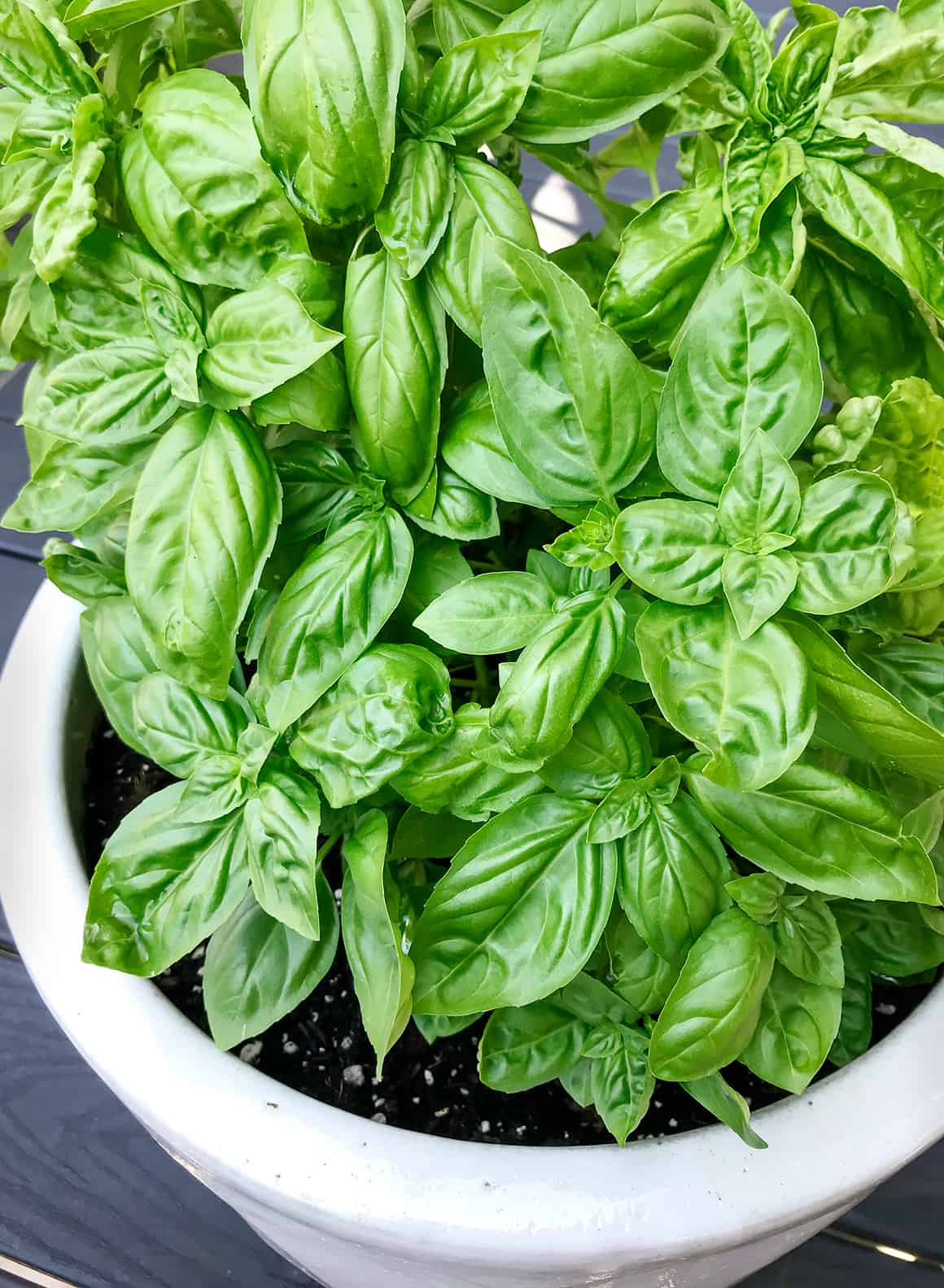
Dreaming of fragrant pesto and fresh Caprese salads made with your own homegrown basil? The Arizona sun can be intense, but don't let that deter you! Growing basil in Arizona is absolutely achievable with the right knowledge and a little extra care. Let's dive into how you can cultivate thriving basil plants even in the challenging desert climate.
Basil in the Arizona Climate: What to Know
Arizona's climate presents some unique hurdles for gardeners, especially when it comes to herbs like basil. The intense summer heat, low humidity, and alkaline soil require a tailored approach to ensure success. Understanding these challenges is the first step in creating a basil-friendly environment.
Understanding Arizona's Growing Zones and Basil
Arizona spans several USDA plant hardiness zones, primarily zones 6 through 10. This means the average minimum winter temperature varies significantly across the state. While basil is an annual, meaning it completes its life cycle in one growing season, understanding your specific zone is crucial for timing your planting appropriately.
Generally, basil is highly susceptible to frost damage, so planting after the last frost is essential. In lower desert areas like Phoenix (typically zone 9b), this might mean you can plant basil as early as March. In higher elevation areas like Flagstaff (typically zone 6a), you might need to wait until late May or even June. Consult your local extension office for specific frost dates in your area.
Choosing the Right Basil Variety for Arizona Gardens
Not all basil varieties are created equal when it comes to heat tolerance. Opting for varieties known to withstand higher temperatures can significantly improve your chances of a bountiful harvest. Here are a few varieties that tend to perform well in Arizona:
- Genovese Basil: A classic choice, known for its robust flavor and suitability for pesto. While it prefers slightly cooler temperatures, it can still thrive in Arizona with proper care.
- Thai Basil: This variety boasts a distinctive anise-like flavor and is more heat-tolerant than Genovese. Its sturdy leaves hold up well in warmer climates.
- Lemon Basil: As the name suggests, this basil has a refreshing citrusy aroma and flavor. It's generally more drought-tolerant than other varieties.
- African Blue Basil: A visually stunning and heat-tolerant variety with beautiful purple stems and a strong flavor. It's also a perennial in warmer climates (zones 9-11), though it may need winter protection in colder areas of Arizona.
Planting Basil in Arizona: Timing and Location
The timing and location of your basil planting are critical for its survival in Arizona's harsh climate. Let's explore these factors in more detail.
Optimal Planting Time for Basil in Arizona
As mentioned earlier, avoid planting basil until after the last frost in your area. But that's not the only consideration. You also need to be mindful of the extreme summer heat. Planting too late in the spring can mean your basil is exposed to scorching temperatures before it has a chance to establish itself.
Consider these planting windows:
- Spring Planting: Aim to plant your basil seedlings or seeds a few weeks after the last frost. This allows the soil to warm up and reduces the risk of cold damage.
- Succession Planting: Plant basil every few weeks throughout the spring to ensure a continuous harvest. This also helps mitigate losses if some plants succumb to the heat.
- Fall Planting: In lower desert areas, you can also plant basil in the fall for a second harvest. This allows the plants to mature during the cooler months.
Choosing the Right Location for Basil
Basil thrives in full sun, but in Arizona's intense summer heat, some afternoon shade is beneficial. A location that receives morning sun and afternoon shade is ideal. Consider planting basil on the east side of your home or under the dappled shade of a tree.
Additionally, pay attention to the soil. Basil prefers well-draining soil that is rich in organic matter. Arizona's native soil is often alkaline and compacted, so amending it with compost, aged manure, or other organic materials is crucial. Raised beds or containers are also excellent options for growing basil in Arizona, as they provide better drainage and allow you to control the soil composition.
Caring for Basil in the Arizona Heat
Once your basil is planted, providing consistent care is essential for its survival and productivity in the Arizona climate.
Watering Basil in Arizona
Basil needs consistent moisture, especially during the hot summer months. Water deeply and regularly, aiming to keep the soil consistently moist but not waterlogged. Overwatering can lead to root rot, so ensure your soil has good drainage.
A good rule of thumb is to water when the top inch of soil feels dry to the touch. In very hot weather, you may need to water daily or even twice a day. Consider using a soaker hose or drip irrigation to deliver water directly to the roots, minimizing water loss through evaporation.
Also, using mulch around your plants can significantly reduce water evaporation. Organic mulches like straw, wood chips, or shredded leaves also help to improve soil structure and fertility as they decompose.
Fertilizing Basil Plants
Basil is a relatively heavy feeder, meaning it benefits from regular fertilization. Use a balanced organic fertilizer, such as compost tea or fish emulsion, every few weeks to promote healthy growth.
Avoid over-fertilizing, as this can lead to leggy growth and reduced flavor. Follow the instructions on the fertilizer label and err on the side of under-fertilizing rather than over-fertilizing.
Protecting Basil from Pests and Diseases
While basil is relatively pest-resistant, it can be susceptible to certain pests and diseases, especially in humid conditions.
Common pests that may affect basil include aphids, spider mites, and whiteflies. These pests can be controlled with insecticidal soap or neem oil. Regularly inspect your plants for signs of infestation and take action promptly.
Diseases that can affect basil include fungal diseases like powdery mildew and downy mildew. These diseases are more common in humid conditions, so providing good air circulation around your plants can help prevent them. Avoid overhead watering, as this can create a favorable environment for fungal growth.
If you notice signs of disease, remove the affected leaves or plants promptly to prevent the disease from spreading.
Harvesting Basil for Maximum Flavor
Harvesting basil regularly is not only essential for enjoying its fresh flavor but also for promoting bushier growth. Here's how to harvest basil for maximum flavor and yield:
When and How to Harvest Basil
Begin harvesting basil when the plants are about 6-8 inches tall. Pinch or cut off the top sets of leaves, just above a leaf node. This encourages the plant to branch out and produce more leaves.
Harvest basil frequently, especially during the summer months when it is growing rapidly. Regular harvesting also prevents the plant from flowering. Once basil flowers, its leaves become bitter and less flavorful. However, there are ways to use the basil flower as well, such as making basil honey.
Harvest basil in the morning, after the dew has dried. This is when the leaves are at their most flavorful.
Storing Fresh Basil
Freshly harvested basil is best used immediately. However, if you need to store it, there are several ways to keep it fresh for a few days:
- Water Method: Place the basil stems in a glass of water, like you would with flowers. Cover the leaves loosely with a plastic bag and store in the refrigerator.
- Damp Paper Towel Method: Wrap the basil leaves in a damp paper towel and store in a plastic bag in the refrigerator.
- Freezing: Basil can also be frozen for longer storage. Blanch the leaves briefly in boiling water, then shock them in ice water. Drain well and pack into freezer bags or containers. You can also puree basil with olive oil and freeze it in ice cube trays for easy use in sauces and soups.
With a little planning and care, you can successfully grow fragrant and flavorful basil in your Arizona garden. From selecting the right varieties to providing adequate water and protection from the intense sun, these tips will help you enjoy a bountiful harvest of this versatile herb.
To help your garden thrive, consider investing in a quality watering solution. One great option is a durable and versatile75 FT Garden Hose with a 10-Function Nozzle. This flexible garden hose with 10-Function Nozzleis perfect for keeping your basil plants hydrated and healthy! You can find it here:https://amzn.to/3Yv E0Ba.