Picture this: you’re making a delicious pesto, but you're out of fresh basil! A quick trip to the grocery store solves the problem, but what if you could extend the life of that store-bought basil and create an endless supply? The good news is, with a little know-how, you absolutely can! Growing Basil From Store-Bought: A Complete Guide So, can you really grow basil from store bought bunches? Absolutely! It's a fantastic way to save money, reduce waste, and enjoy fresh basil whenever you need it. However, the success of growing basil from store bought depends on a few key factors. This article will walk you through the entire process, from selecting the right basil to harvesting your homegrown leaves. We'll cover everything you need to know to successfully propagate basil from your grocery store haul. Selecting the Right Store-Bought Basil for Propagation Not all store-bought basil is created equal when it comes to propagation. To increase your ...
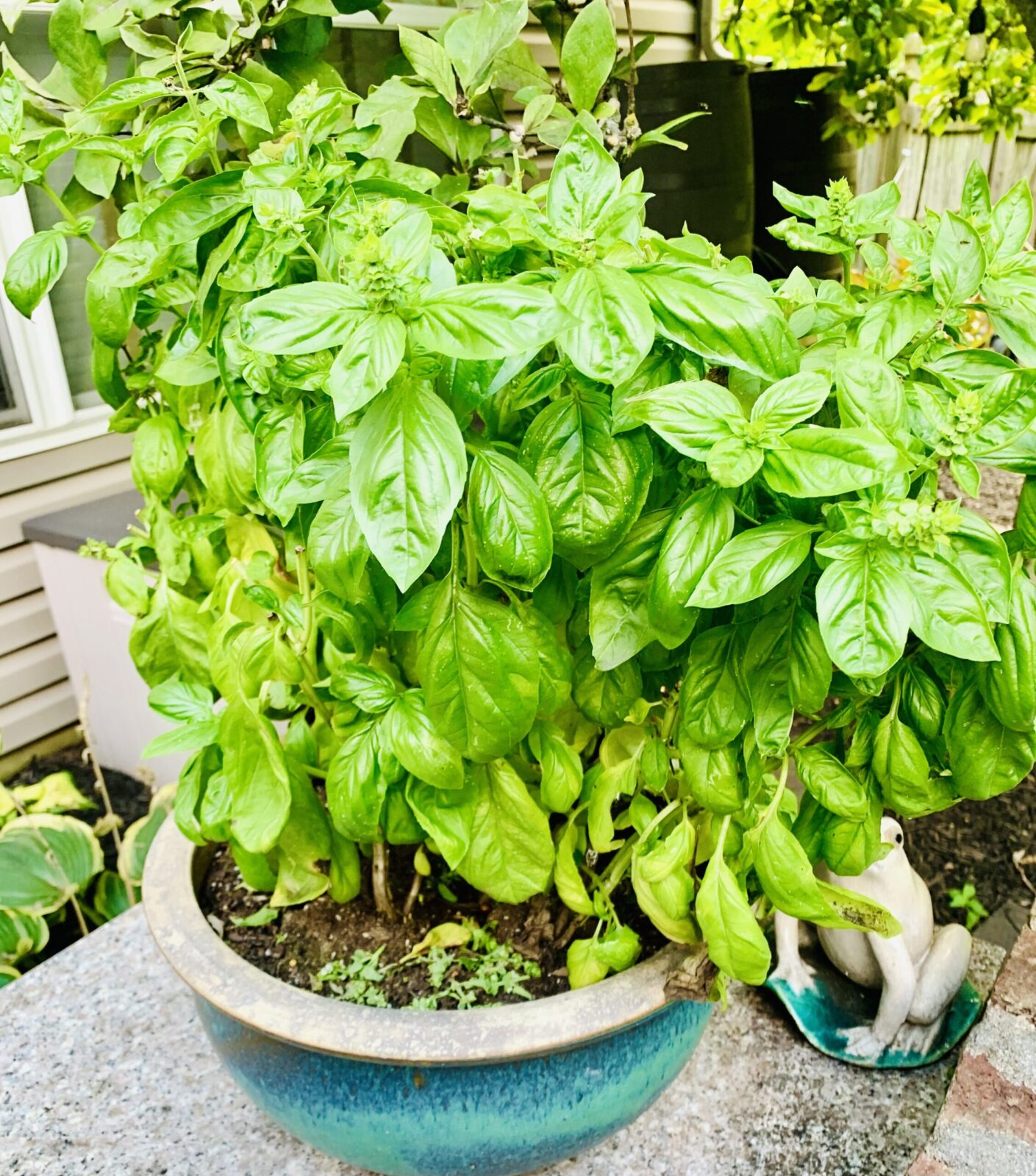
Imagine stepping onto your patio, the sun warm on your skin, and reaching out to pluck a fragrant leaf of basil, ready to transform your pasta sauce from ordinary to extraordinary. Growing your own basil is easier than you might think, even without a sprawling garden. In fact, basil thrives in pots, bringing a touch of fresh, herbaceous goodness right to your doorstep.
Basil Growing In Pots: A Complete Guide
Growing basil in pots is a rewarding experience, offering fresh, flavorful leaves right at your fingertips. Whether you're a seasoned gardener or a complete beginner, this guide will walk you through every step, from choosing the right pot to harvesting your bountiful basil crop. We'll explore everything you need to know aboutbasil container gardening, ensuring you enjoy a thriving and aromatic herb garden.
Choosing the Right Pot for Your Basil Plant
The foundation of successful basil growing in pots starts with selecting the appropriate container. The pot's size, material, and drainage all play crucial roles in your basil's health and productivity. A pot that's too small will restrict root growth, leading to stunted plants and reduced yields. Conversely, a pot that's too large can retain too much moisture, increasing the risk of root rot. Here’s what to consider:
Size Matters: How Big Should Your Basil Pot Be?
For a single basil plant, a pot that is at least6-8 inches in diameter and 6 inches deep is a good starting point. However, if you plan to grow multiple basil plants in the same pot, opt for a larger container, such as a12-inch diameter pot or a rectangular planter. Remember, basil plants can grow quite large, especially if you're growing varieties like Genovese basil, so providing ample space for their roots to expand is essential. Think of it this way:each plant needs roughly 4-6 inches of space around it.
Pot Materials: Clay vs. Plastic
Both clay and plastic pots have their advantages and disadvantages.Clay pots are porous, allowing for better airflow and drainage, which can help prevent root rot. They also look more aesthetically pleasing. However, they tend to dry out more quickly, requiring more frequent watering, especially in hot weather. Clay pots are also heavier and more prone to cracking in freezing temperatures.
Plastic pots, on the other hand, are lightweight, less expensive, and retain moisture better than clay pots. This can be beneficial in hotter climates or for gardeners who tend to forget to water. However, plastic pots can overheat in direct sunlight, potentially damaging the roots. They also don't breathe as well as clay pots, so it's crucial to ensure adequate drainage. A great option for plastic pots areself-watering pots because they help you to avoid overwatering and underwatering your basil.
Ultimately, the best pot material for basil growing in pots depends on your personal preferences and growing conditions. Consider your local climate, watering habits, and aesthetic preferences when making your choice.
Drainage is Key for Healthy Basil
Regardless of the pot material you choose,*drainage is absolutely essential. Basil plants need well-draining soil to thrive. Excess water can lead to root rot, a common problem that can quickly kill your basil plant. Make sure your pot has drainage holes at the bottom to allow excess water to escape. If your pot doesn't have drainage holes, you can drill some yourself.
Choosing the Right Soil for Your Potted Basil
Just as important as the pot is the soil you use. Basil plants thrive in well-draining, nutrient-rich soil. Avoid using garden soil, as it tends to be too heavy and compact, hindering drainage and root growth. Instead, opt for a high-quality potting mix specifically formulated for containers. These mixes typically contain a blend of peat moss, perlite, and vermiculite, which provide excellent drainage and aeration.
You can also amend your potting mix with compost or other organic matter to boost its nutrient content.Compost is a fantastic soil amendment that provides essential nutrients, improves drainage, and helps retain moisture. Adding a few handfuls of compost to your potting mix will give your basil plants a healthy start.
Avoid using soils with moisture-retaining crystalsif you're in a wet climate as these can lead to overly moist soil which is not great for basil.
Sunlight and Watering:Essential for Basil Growing in Pots
Basil is a sun-loving herb, requiring at least6-8 hours of direct sunlight per day to thrive. Place your potted basil in a sunny location, such as a south-facing balcony or patio. If you don't have a sunny spot, you can supplement with grow lights. You can also buy grow light bulbs that you can place in existing lamps for an easy sunlight solution.
Watering Techniques for Potted Basil Plants
Watering is another crucial aspect of basil growing in pots. Basil plants need consistent moisture but don't like to be waterlogged. Water your basil plants when the top inch of soil feels dry to the touch. Water thoroughly, until water drains out of the drainage holes. Avoid overhead watering, as this can lead to fungal diseases. Instead, water at the base of the plant, near the soil line. To help your plants thrive, consider using a75-foot garden hose with a 10-function nozzle, which offers versatile watering options and a leak-proof metal connector, ensuring your plants receive just the right amount of hydration. You can find a great option here: https://amzn.to/3Yv E0Bo. This metal hose, designed for gardening and outdoor use, resists kinks and is lighter than traditional hoses, making watering your potted basil a breeze.
During hot, dry weather, you may need to water your basil plants more frequently. Check the soil moisture level daily and water as needed. Conversely, during cool, cloudy weather, you may need to water less frequently. Always err on the side of underwatering rather than overwatering, as overwatering is a common cause of basil plant problems. Ensure that your pot has adequate drainage to stop water from pooling and saturating the roots.
Fertilizing Your Potted Basil: Keeping It Healthy
Basil plants are heavy feeders, meaning they require a steady supply of nutrients to thrive. Fertilize your potted basil plants every 2-4 weeks with a balanced liquid fertilizer, such as a 10-10-10 or 20-20-20 formula. Follow the instructions on the fertilizer label for proper dilution rates. You can also use organic fertilizers, such as fish emulsion or compost tea, which provide a slow-release source of nutrients.
Avoid over-fertilizing your basil plants, as this can lead to leggy growth and reduced flavor. It's better to under-fertilize than over-fertilize. If you're unsure about the appropriate fertilizer rate, start with a lower concentration and gradually increase as needed. Also consider a slow-release fertilizer for even more convenience.
Harvesting Your Basil: Maximizing Flavor and Growth
Harvesting your basil regularly is not only a way to enjoy fresh, flavorful leaves but also encourages the plant to grow bushier and produce more leaves. Start harvesting your basil when the plants are about 6-8 inches tall. To harvest, simply pinch off the top leaves or entire stems, just above a leaf node (the point where leaves grow from the stem). This will encourage the plant to branch out and produce more leaves.
Avoid harvesting more than one-third of the plant at a time, as this can stress the plant and slow down growth. If you see flower buds forming, pinch them off immediately. Flowering signals the end of the plant's life cycle, and it will stop producing flavorful leaves. By pinching off the flower buds, you can prolong the plant's productive life and continue enjoying fresh basil leaves for longer. Be sure to harvest in the morning for optimal flavor.
Common Problems and Solutions for Basil Growing in Pots
While basil is relatively easy to grow, it can be susceptible to certain problems, especially when grown in pots. Here are some common issues and how to address them:
Pests: Aphids, Spider Mites, and Whiteflies
Basil plants can be targeted by a variety of pests, including aphids, spider mites, and whiteflies. These pests can suck the sap from the leaves, causing them to turn yellow, wilt, and eventually die. To control these pests, you can try spraying your basil plants with a solution of insecticidal soap or neem oil. You can also manually remove the pests by hand or with a strong jet of water. Regularly inspect your plants for pests and take action promptly to prevent infestations from spreading. Companion planting with marigolds can also deter pests.
Diseases: Root Rot, Downy Mildew, and Fusarium Wilt
Basil plants are also susceptible to certain diseases, such as root rot, downy mildew, and fusarium wilt. Root rot is caused by overwatering and poor drainage. Downy mildew is a fungal disease that causes yellow spots on the leaves. Fusarium wilt is a soilborne disease that causes the plant to wilt and die. To prevent these diseases, ensure your basil plants have well-draining soil and are not overwatered. Provide good air circulation to reduce humidity. If you notice any signs of disease, remove the affected leaves or plants immediately. Apply a fungicide to help control fungal diseases.
Yellowing Leaves: Nutrient Deficiencies or Overwatering
Yellowing leaves can be a sign of nutrient deficiencies or overwatering. If the leaves are yellowing all over the plant, it could be a sign of a nutrient deficiency. Try fertilizing your basil plants with a balanced liquid fertilizer. If the leaves are yellowing from the bottom up, it could be a sign of overwatering. Reduce watering frequency and ensure your pot has good drainage. Correct watering is one of the most important things you can do for your plants.
Enjoying Your Homegrown Basil
Growing basil in pots is a wonderful way to enjoy fresh, flavorful herbs right at your fingertips. With a little care and attention, you can have a bountiful basil harvest to use in all your favorite recipes. From pesto and pasta sauces to salads and sandwiches, the possibilities are endless. So, get started today and experience the joy of growing your own basil!