Picture this: you’re making a delicious pesto, but you're out of fresh basil! A quick trip to the grocery store solves the problem, but what if you could extend the life of that store-bought basil and create an endless supply? The good news is, with a little know-how, you absolutely can! Growing Basil From Store-Bought: A Complete Guide So, can you really grow basil from store bought bunches? Absolutely! It's a fantastic way to save money, reduce waste, and enjoy fresh basil whenever you need it. However, the success of growing basil from store bought depends on a few key factors. This article will walk you through the entire process, from selecting the right basil to harvesting your homegrown leaves. We'll cover everything you need to know to successfully propagate basil from your grocery store haul. Selecting the Right Store-Bought Basil for Propagation Not all store-bought basil is created equal when it comes to propagation. To increase your ...
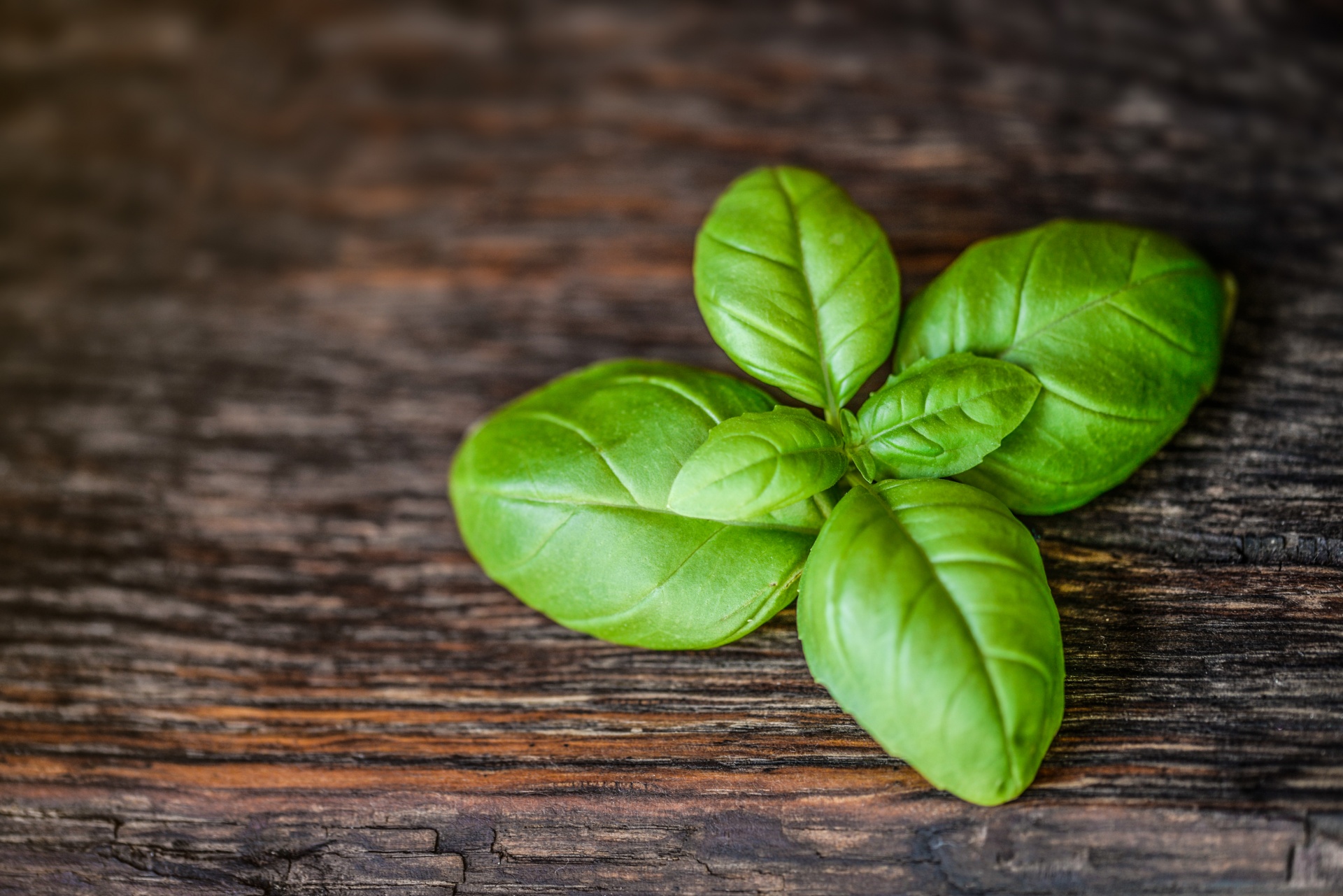
There's nothing quite as frustrating as watching your vibrant basil plant shoot for the sky, seemingly forgetting that you actually wanted it to produce delicious, bushy leaves for your pesto and caprese salads. When your basil growing too tall, it's a common issue that many gardeners face, especially when you're hoping for a compact and leafy herb. Let's explore why this happens and, more importantly, what you can do about it!
Understanding Why Your Basil is Growing Too Tall
Before we dive into solutions, it's important to understand the reasons behind a basil plant stretching upwards. Several factors can contribute to this, often working in combination. Knowing the cause helps you tailor your approach and prevent future instances of your basil plants becoming too tall.
Insufficient Sunlight
One of the most common culprits is a lack of adequate sunlight. Basil needs at least 6-8 hours of direct sunlight per day to thrive. When it doesn't receive enough, it begins to stretch towards the light source, resulting in a leggy, elongated appearance. This is calledetiolation, and it weakens the plant, making it more susceptible to pests and diseases.
Think of it like this:the basil is desperately trying to photosynthesize, so it puts all its energy into reaching the sun rather than producing those flavorful leaves we desire. Observe the location of your basil plant throughout the day. Does it receive consistent sunlight, or is it shaded for a significant portion of the day? If the latter is true, moving your basil to a sunnier spot is the first step.
Inadequate Pruning
Basil is a plant that actuallybenefitsfrom regular pruning. Pruning encourages the plant to branch out, creating a bushier and more productive plant. If you neglect to prune your basil, it will naturally focus its energy on vertical growth, resulting in those unwanted tall stems and fewer leaves. Pruning techniques play a vital role in how your basil plant develops. Learn about the importance of how to properly trim your plants. Proper pruning leads to a healthier basil plant and increased leaf production.
When pruning, aim to cut just above a set of leaves. This will encourage the plant to produce two new stems from that point, effectively doubling your potential leaf production. Don't be afraid to prune generously – you can even use the trimmings in your cooking or propagate them to create new basil plants! A good rule of thumb is to prune your basil whenever it starts to form flower buds (more on that below).
Flowering (and Bolting)
Basil is an annual plant, which means its natural life cycle includes flowering and producing seeds. Once a basil plant begins to flower, it often shifts its focus away from leaf production and towards reproduction. The plant will grow taller as it sends up flower stalks, and the flavor of the leaves may become more bitter. This process is calledbolting.
To prevent bolting and keep your basil producing delicious leaves, diligently pinch off any flower buds as soon as you see them. This sends a signal to the plant to continue vegetative growth rather than focusing on reproduction. Different basil varieties will bolt at different times, so keep a close eye on your plants and be proactive in removing those flower buds. Sometimes, especially in hotter climates, bolting is unavoidable. If your plant does bolt, don't despair! You can still harvest the leaves, though their flavor may be less intense. You can also let the plant flower and collect the seeds for planting next year.
Nutrient Imbalance
While basil doesn't need a lot of fertilizer, a nutrient imbalance can sometimes contribute to leggy growth. Too much nitrogen, for example, can encourage excessive foliage growth at the expense of overall plant health and leaf flavor. Nitrogen is good, but in excess can cause basil growing too tall.
A balanced fertilizer or a fertilizer specifically formulated for herbs is usually best. Follow the instructions on the fertilizer package carefully, and avoid over-fertilizing. In many cases, well-draining soil amended with compost is sufficient to provide basil with the nutrients it needs.
How to Prevent Basil from Getting Too Tall
Now that you understand the reasons why your basil might be growing too tall, let's explore practical strategies for preventing this issue:
Ensure Adequate Sunlight
This is the most fundamental step. Make sure your basil plant receives at least 6-8 hours of direct sunlight per day. If you're growing your basil indoors, consider using a grow light to supplement natural sunlight. Rotate your plant regularly to ensure that all sides receive equal light exposure. A simple timer can help automate the process for grow lights, ensuring consistent light schedules even when you're away.
Signs of insufficient light include pale green leaves and stems that stretch noticeably towards the nearest window or light source.
Regular Pruning
Consistent pruning is key to maintaining a bushy and productive basil plant. As mentioned earlier, prune your basil regularly, cutting just above a set of leaves. This will encourage branching and prevent the plant from becoming leggy. Don't be afraid to prune generously – you can use the trimmings in your cooking, make pesto, or even propagate them to create new plants.
A good rule of thumb is to prune your basil whenever it reaches about 6-8 inches in height. Use sharp, clean scissors or pruning shears to avoid damaging the plant. Aim to remove about one-third of the plant's growth each time you prune.
Pinch Off Flower Buds
As soon as you see flower buds forming, pinch them off immediately. This will prevent the plant from bolting and redirect its energy towards leaf production. Check your basil plants regularly for flower buds, especially during hot weather, which can trigger bolting.
Many gardeners make it a daily ritual to quickly inspect their basil plants and remove any emerging flower buds. This small act can make a big difference in the overall health and productivity of your basil.
Choose the Right Variety
Some basil varieties are naturally more compact and less prone to legginess than others. For example, bush basil varieties like 'Spicy Globe' and 'Greek Column' tend to stay more compact and bushy, making them a good choice for containers or small gardens. Thai basil tends to grow taller than sweet basil.
Consider researching different basil varieties and choosing one that is well-suited to your growing conditions and desired growth habit. Seed catalogs and online resources often provide information about the growth habits of different basil varieties.
Maintain Proper Watering and Fertilization
Water your basil plant regularly, keeping the soil consistently moist but not waterlogged. Overwatering can lead to root rot, while underwatering can stress the plant and make it more susceptible to pests and diseases. Use a well-draining potting mix if growing in containers to prevent water from pooling around the roots.
Fertilize your basil plant sparingly with a balanced fertilizer or a fertilizer specifically formulated for herbs. Avoid over-fertilizing, which can lead to excessive foliage growth at the expense of leaf flavor. Consider using a slow-release fertilizer to provide a steady supply of nutrients over time. Consider using a garden hose 75 FT with 10-Function Nozzle, Leak-proof Metal Connector Water Hose, No Knots, Kink-Free, Lighter, Anti-Pets, Wear-Resistant, 3/4 GHT, Metal Hose for Garden, Yard, Outdoor, which offers a convenient and efficient way to water your basil plants and other garden vegetables. This high-quality expandable garden hose is available on Amazon: Garden Hose.
Reviving Basil That is Already Too Tall
What if your basil has already grown too tall and leggy? Don't worry, you can still salvage it! Here's how:
Hard Pruning
Cut the plant back drastically, removing up to two-thirds of its growth. This may seem drastic, but it will encourage the plant to produce new growth from the remaining stems. Be sure to cut just above a set of leaves to promote branching.
After hard pruning, provide the plant with adequate sunlight and water, and fertilize it lightly to encourage new growth. It may take a few weeks for the plant to recover, but it should eventually produce a flush of new, leafy growth.
Repotting (If Necessary)
If your basil plant is root-bound or growing in poor-quality soil, consider repotting it into a larger container with fresh potting mix. This will give the plant more room to grow and provide it with the nutrients it needs to thrive. Repotting is a good time to inspect the roots for any signs of disease or pests.
Propagation
Even if your basil plant is too far gone to be revived, you can still propagate new plants from cuttings. Simply take cuttings from the healthy stems of the plant and place them in water or directly into moist potting mix. The cuttings should root within a few weeks, giving you new basil plants to enjoy. This is a great way to salvage a plant that has bolted or been damaged by pests or diseases.
Conclusion
By understanding the reasons why your basil is growing too tall and implementing the strategies outlined above, you can ensure that your basil plants remain compact, bushy, and productive throughout the growing season. Don't be afraid to experiment and find what works best for your particular growing conditions. With a little care and attention, you'll be harvesting delicious basil leaves for your culinary creations in no time!