Picture this: you’re making a delicious pesto, but you're out of fresh basil! A quick trip to the grocery store solves the problem, but what if you could extend the life of that store-bought basil and create an endless supply? The good news is, with a little know-how, you absolutely can! Growing Basil From Store-Bought: A Complete Guide So, can you really grow basil from store bought bunches? Absolutely! It's a fantastic way to save money, reduce waste, and enjoy fresh basil whenever you need it. However, the success of growing basil from store bought depends on a few key factors. This article will walk you through the entire process, from selecting the right basil to harvesting your homegrown leaves. We'll cover everything you need to know to successfully propagate basil from your grocery store haul. Selecting the Right Store-Bought Basil for Propagation Not all store-bought basil is created equal when it comes to propagation. To increase your ...
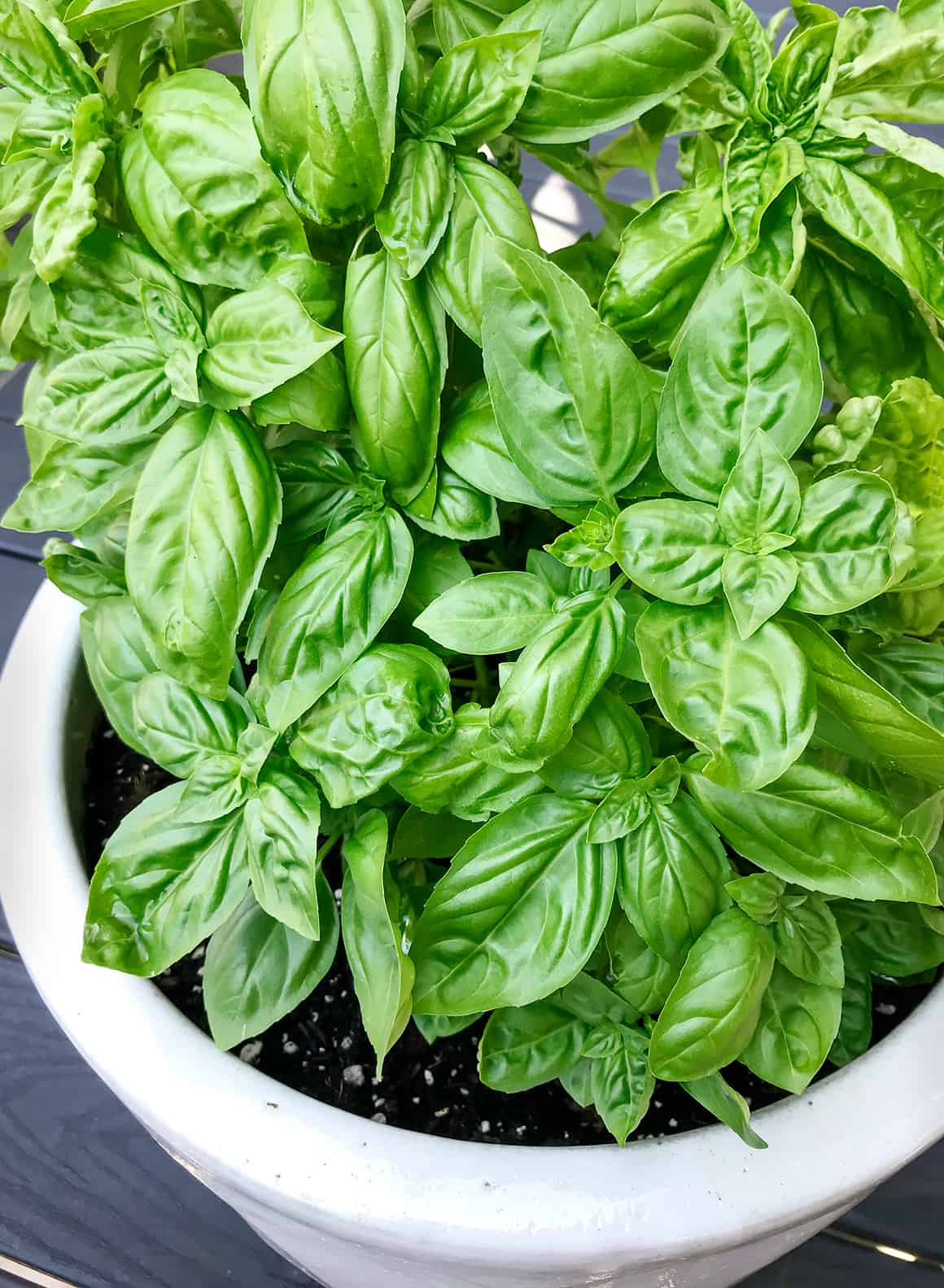
Ever dreamt of the fresh, aromatic scent of basil wafting through your garden, ready to be plucked and tossed into your favorite dish? Growing your own basil is a rewarding experience, but understanding the different stages of basil plant growth is key to ensuring a bountiful harvest. Let's embark on a journey through the fascinating life cycle of a basil plant, from a tiny seed to a thriving, fragrant herb.
The Basil Plant Growing Stages: A Comprehensive Guide
Stage 1: Germination - The Beginning of Life
The journey of a basil plant begins with a tiny seed. Germination, the process where the seed sprouts and begins to grow, is the first crucial stage. Basil seeds are relatively easy to germinate, making them a popular choice for beginner gardeners. You can start seeds indoors or directly sow them into your garden, depending on your climate and the time of year.
Key Factors for Successful Germination:
- Warmth: Basil seeds germinate best in soil temperatures between 70-80°F (21-27°C). Use a heat mat if starting indoors.
- Moisture: Keep the soil consistently moist, but not waterlogged. A spray bottle can help maintain humidity.
- Light: While light isn't essential for germination itself, providing indirect light after sprouting will encourage healthy growth.
Typically, you'll see sprouts emerge within 5-10 days. Once the seedlings appear, it's time to move them to a location with ample sunlight. Be gentle, as they are delicate at this stage.
Stage 2: Seedling Stage - Nurturing the Young Plant
Once your basil seeds have sprouted, they enter the seedling stage. This is a delicate period where proper care is vital for the plant's survival and future growth. The seedling stage lasts for several weeks, and you'll notice the first true leaves developing beyond the initial seed leaves (cotyledons).
Care Tips for Seedlings:
- Sunlight: Basil seedlings need at least 6-8 hours of sunlight per day. If growing indoors, use grow lights to supplement natural light.
- Watering: Water regularly, keeping the soil consistently moist but not soggy. Overwatering can lead to root rot.
- Air Circulation: Good air circulation helps prevent fungal diseases. A small fan can improve airflow, especially indoors.
- Fertilizing: Start feeding your seedlings with a diluted liquid fertilizer a couple of weeks after they emerge. Use a balanced fertilizer or one specifically formulated for herbs.
During this stage, monitor your seedlings closely for any signs of pests or diseases. Early detection and treatment can prevent major problems later on. For example, if you notice small holes in the leaves, it could be a sign of flea beetles. Address these issues promptly with appropriate organic solutions.
Stage 3: Vegetative Growth - Building a Strong Foundation
As your basil plant matures, it enters the vegetative growth stage. This is where the plant focuses on developing its stems, leaves, and root system. This is a crucial time to provide the plant with optimal conditions for robust growth, which translates to more flavorful and abundant leaves later on.
Optimizing Vegetative Growth:
- Sunlight: Ensure your basil plant receives at least 6-8 hours of direct sunlight daily.
- Watering: Water deeply and regularly, especially during hot weather. Allow the top inch of soil to dry out between waterings.
- Fertilizing: Continue feeding your basil plant with a balanced fertilizer every 2-3 weeks. You can also amend the soil with compost or other organic matter to improve its nutrient content.
- Pruning: Regular pruning is essential during the vegetative stage. Pinch off the top sets of leaves to encourage bushier growth. This also prevents the plant from flowering prematurely, which can reduce leaf production.
Consider the spacing between your plants. Basil plants need room to grow and good air circulation. Overcrowding can lead to fungal diseases and reduced yields. Space your plants about 12-18 inches apart when transplanting or thinning them.
Stage 4: Flowering and Seed Production - Reaching Maturity
Eventually, your basil plant will begin to flower. This is a natural part of its life cycle, signaling that it's reached maturity. While flowering basil plants can still be harvested, the leaves tend to become more bitter and less flavorful. Many gardeners choose to pinch off the flower buds to prolong the vegetative growth stage and maintain leaf production.
If you want to save seeds for future plantings, allow some of the flowers to mature and dry on the plant. Once the flowers are completely dry, you can harvest the seeds and store them in a cool, dry place. However, be aware that if you're growing different varieties of basil, the seeds may not come true to type due to cross-pollination.
Managing Flowering Basil Plants:
- Pinching: Pinch off flower buds as soon as you see them to encourage continued leaf production.
- Harvesting: Harvest leaves regularly, even if you're pinching off the flowers. This will encourage new growth and keep the plant productive.
- Seed Saving: If you want to save seeds, allow some flowers to mature and dry on the plant.
Even at this stage, be sure to water the plant adequately. I've found that having a reliable watering tool makes a huge difference. Recently, I upgraded to a75 FT Garden Hose with a 10-Function Nozzle, and it's been fantastic for reaching all corners of my garden with ease. It's leak-proof, kink-free, and surprisingly lightweight, making watering a breeze. If you're in the market for a durable and versatile water hose, you might consider checking out thisoutdoor water hosefor your garden:https://amzn.to/3Yv E0Bo.
Tips and Tricks for Growing Amazing Basil
Beyond understanding the stages of basil plant growth, several other factors can contribute to your success. Here are some additional tips and tricks to help you grow amazing basil:
Soil and Location:
- Well-Draining Soil: Basil prefers well-draining soil rich in organic matter. Amend your soil with compost or other organic materials before planting.
- Sunny Location: Choose a location that receives at least 6-8 hours of direct sunlight per day.
- Protection from Wind: Basil plants are sensitive to strong winds. Provide shelter from the wind if necessary.
Watering and Fertilizing:
- Consistent Watering: Water deeply and regularly, especially during hot weather. Allow the top inch of soil to dry out between waterings.
- Balanced Fertilizer: Feed your basil plant with a balanced fertilizer every 2-3 weeks.
- Avoid Over-Fertilizing: Over-fertilizing can lead to leggy growth and reduced flavor.
Pest and Disease Control:
- Monitor Regularly: Inspect your basil plants regularly for signs of pests or diseases.
- Organic Solutions: Use organic solutions to control pests and diseases whenever possible.
- Good Air Circulation: Ensure good air circulation around your plants to prevent fungal diseases.
Case Study: Growing Basil in a Container
Many people successfully grow basil in containers. This is a great option if you have limited space or want to control the soil conditions more easily. Here's a quick case study:
Jane's Basil Container Garden: Jane lives in an apartment with a small balcony. She decided to grow basil in containers. She used a well-draining potting mix and placed her containers in a sunny spot on her balcony. She watered regularly and fertilized every 2-3 weeks. Jane also pinched off the flower buds to encourage continued leaf production. As a result, Jane had a thriving basil container garden that provided her with fresh herbs all summer long.
Quote on Basil Growing
"Growing basil is not just about having fresh herbs; it's about connecting with nature and enjoying the simple pleasures of gardening." - A Happy Gardener
By understanding the basil plant growing stages and implementing these tips and tricks, you'll be well on your way to enjoying a bountiful harvest of fragrant, flavorful basil. Happy gardening!