Picture this: you’re making a delicious pesto, but you're out of fresh basil! A quick trip to the grocery store solves the problem, but what if you could extend the life of that store-bought basil and create an endless supply? The good news is, with a little know-how, you absolutely can! Growing Basil From Store-Bought: A Complete Guide So, can you really grow basil from store bought bunches? Absolutely! It's a fantastic way to save money, reduce waste, and enjoy fresh basil whenever you need it. However, the success of growing basil from store bought depends on a few key factors. This article will walk you through the entire process, from selecting the right basil to harvesting your homegrown leaves. We'll cover everything you need to know to successfully propagate basil from your grocery store haul. Selecting the Right Store-Bought Basil for Propagation Not all store-bought basil is created equal when it comes to propagation. To increase your ...
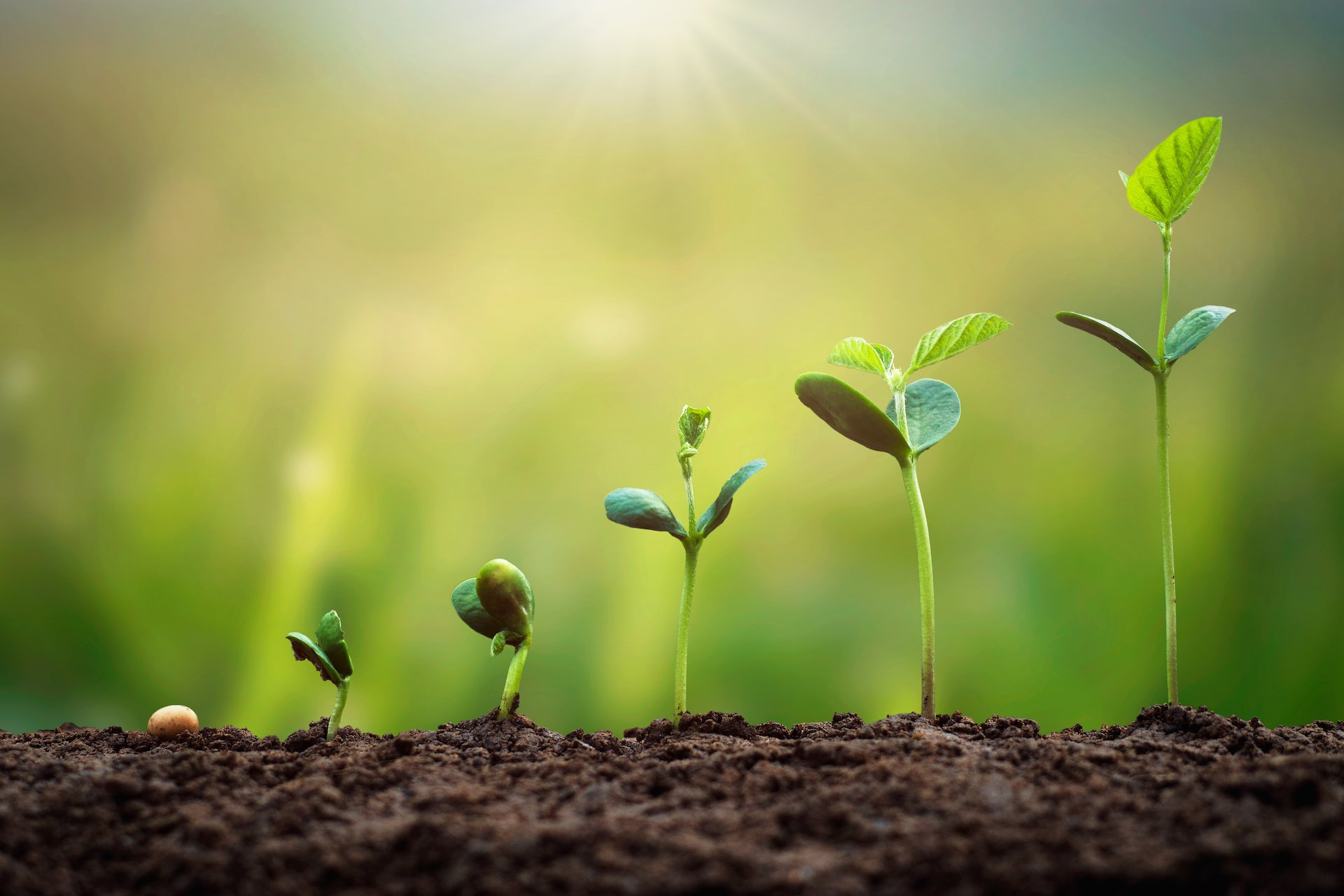
Basil, that fragrant, verdant herb that elevates everything from a simple Caprese salad to a rich pesto, is a staple in many gardens and kitchens. But have you ever wondered about the secret to coaxing the most flavorful leaves from your basil plant? The answer, in large part, lies in understanding its light requirements. So, should you grow basil in sun or shade?
Unlocking Basil's Potential: Sun vs. Shade
The age-old question for any basil enthusiast is whether to bathe their precious plants in sunshine or tuck them away in the cool embrace of shade. The truth, as with most things in gardening, is nuanced. Understanding basil's needs and the specific characteristics of your garden will guide you to the perfect light balance. Let's delve deeper into the details.
The Importance of Sunlight for Basil Growth
Basil, scientifically known as Ocimum basilicum, thrives in warmth and sunshine. Sunlight is the engine that drives photosynthesis, the process by which plants convert light energy into chemical energy in the form of sugars. These sugars fuel the plant's growth, contributing to robust stems, abundant leaves, and that distinctive, aromatic flavor we all crave.
How Much Sunlight Does Basil Need?
Generally, basil plants require6-8 hours of direct sunlight per day. This qualifies as a "full sun" requirement. When basil receives adequate sunlight, it exhibits:
- Faster Growth: Sunlight provides the energy needed for rapid development.
- Enhanced Flavor: Sunlight intensifies the production of essential oils, resulting in a more pungent and flavorful herb.
- Stronger Stems: Adequate sunlight leads to sturdier stems that can support healthy foliage.
- Disease Resistance: Well-nourished plants are better equipped to fight off diseases and pests.
Think of sunlight as basil's primary food source. Without enough of it, the plant becomes weak, leggy, and less flavorful. It's like trying to bake a cake without turning on the oven – you might get something resembling a cake, but it won't be nearly as satisfying.
When Shade Becomes Your Basil's Friend
While basil adores sunshine, there are circumstances where shade can actually benefit your plants. This is especially true in regions with intense summer heat or during the hottest parts of the day. Too much direct sunlight, particularly in scorching climates, can lead to leaf scorch, stunted growth, and a decline in overall plant health.
Recognizing the Signs of Sunburn in Basil
It's crucial to be able to identify the signs of sunburn or heat stress in your basil plants. Common symptoms include:
- Wilting leaves, even when the soil is moist.
- Dry, brown, or crispy leaf edges.
- Stunted growth or a lack of new leaf development.
- Pale or bleached-looking foliage.
If you notice these symptoms, it's time to provide some relief from the intense sun. Think of it like a human needing shade after too much time in the sun; basil needs protection, too.
Strategic Shading for Basil Plants
In hot climates, consider providing your basil with some afternoon shade. This can be achieved in several ways:
- Planting basil near taller plants: This allows the basil to receive direct sunlight in the morning and filtered shade in the afternoon.
- Using shade cloth: Shade cloth can be draped over your basil plants during the hottest parts of the day to reduce the intensity of the sunlight.
- Moving potted basil to a shadier location: If your basil is in a container, simply relocate it to a spot that receives less direct sunlight.
The goal is to find a balance – enough sunlight for optimal growth and flavor, but not so much that the plant becomes stressed. Also, ensure your watering is efficient. A lightweight, kink-free, and wear-resistantgarden watering hose can make watering your basil plants easy and convenient. Consider this 75 FT garden hose with a 10-function nozzle to ensure your basil receives the correct amount of water: https://amzn.to/3Yv E0Bo.
Basil Varieties and Their Light Preferences
While the general rule of thumb is 6-8 hours of direct sunlight, some basil varieties may have slightly different light preferences. It's always a good idea to research the specific needs of the basil you are growing.
Examples of Basil Varieties and Light:
- Sweet Basil: This classic basil variety thrives in full sun (6-8 hours).
- Purple Basil: Similar to sweet basil, purple basil requires full sun for optimal color and flavor development.
- Lemon Basil: Lemon basil also prefers full sun but may benefit from some afternoon shade in very hot climates.
- Thai Basil: Thai basil, known for its anise-like flavor, appreciates full sun but can tolerate partial shade (4-6 hours of direct sunlight).
Don't assume that all basil varieties are created equal when it comes to light requirements. A little research can go a long way in ensuring your plants thrive.
Tips for Successfully Growing Basil in Your Garden
Beyond sunlight, several other factors contribute to the successful cultivation of basil. Here are some essential tips to keep in mind:
- Soil: Basil prefers well-draining soil that is rich in organic matter. Amend your soil with compost or aged manure before planting.
- Watering: Water deeply and regularly, especially during hot, dry weather. Avoid overhead watering, as this can promote fungal diseases.
- Fertilizing: Feed your basil plants regularly with a balanced fertilizer. Follow the instructions on the fertilizer label.
- Pinching and Pruning: Pinch off the flower buds to encourage bushier growth and prevent the plant from going to seed. Prune regularly to harvest leaves and maintain a healthy shape.
- Pest Control: Monitor your basil plants for pests such as aphids and slugs. Take action promptly to prevent infestations from becoming severe.
By paying attention to these factors, you can create an environment that is conducive to robust basil growth and abundant harvests.
Grow Basil Sun Or Shade: A Final Thought
Ultimately, the decision of whether to grow your basil in sun or shade depends on your local climate, the specific basil variety you are growing, and your garden's microclimate. Experimentation and observation are key. Pay close attention to your plants' needs, and adjust your approach as necessary. With a little care and attention, you can enjoy a bountiful supply of fresh, flavorful basil all season long. Enjoy growing basil whether in sun or shade!