Picture this: you’re making a delicious pesto, but you're out of fresh basil! A quick trip to the grocery store solves the problem, but what if you could extend the life of that store-bought basil and create an endless supply? The good news is, with a little know-how, you absolutely can! Growing Basil From Store-Bought: A Complete Guide So, can you really grow basil from store bought bunches? Absolutely! It's a fantastic way to save money, reduce waste, and enjoy fresh basil whenever you need it. However, the success of growing basil from store bought depends on a few key factors. This article will walk you through the entire process, from selecting the right basil to harvesting your homegrown leaves. We'll cover everything you need to know to successfully propagate basil from your grocery store haul. Selecting the Right Store-Bought Basil for Propagation Not all store-bought basil is created equal when it comes to propagation. To increase your ...
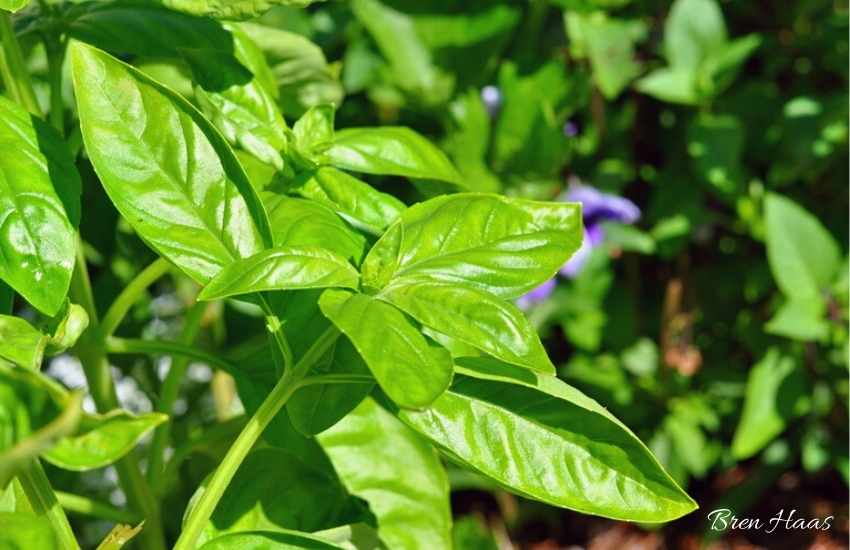
Imagine the aroma of fresh basil wafting through your kitchen, not just in the summer, but all year round! Fresh basil, with its peppery and slightly sweet flavor, is a staple in so many dishes, from Caprese salads to vibrant pesto. No longer do you have to rely on expensive store-bought options or wait for the summer sun. This guide will show you how to successfully grow basil all year round, bringing the taste of summer to your table no matter the season.
Growing Basil All Year Round: A Comprehensive Guide
Basil, a beloved herb across many cuisines, is usually associated with warm weather. Its tender leaves thrive in sunny gardens during the summer months. However, with a little know-how and the right techniques, you can enjoy fresh, flavorful basil all year round, regardless of your climate. This guide will walk you through the steps to successfully cultivating basil indoors, providing you with the knowledge and tools to become a year-round basil grower.
Understanding Basil's Needs for Year-Round Growth
To successfully grow basil all year round, it's crucial to understand its fundamental needs. Basil is a warmth-loving herb, requiring specific conditions to thrive. Replicating these conditions indoors is key to ensuring a continuous harvest. These needs primarily revolve around light, temperature, water, and soil.
Light: The Sunshine Substitute
Basil craves sunlight, needing at least 6-8 hours of direct sunlight per day. During the shorter, darker days of fall and winter, this can be a challenge. Supplementing natural light with artificial grow lights is often necessary for successful year-round basil cultivation. The type of grow light you choose can make a big difference. Here's a breakdown:
- Fluorescent Grow Lights: These are a budget-friendly option, suitable for smaller basil plants or starting seedlings. They emit a cooler light that's gentle on young plants.
- LED Grow Lights: LEDs are more energy-efficient and produce less heat than fluorescent lights, making them a great choice for larger basil plants or enclosed growing spaces. Look for full-spectrum LEDs that provide a balanced light spectrum for optimal growth.
- High-Intensity Discharge (HID) Grow Lights: HID lights, such as Metal Halide (MH) and High-Pressure Sodium (HPS), are the most powerful option, ideal for larger-scale indoor gardens. However, they also generate more heat and require more energy.
Consider the distance between the grow light and your basil plants. Too close, and you risk burning the leaves. Too far, and your plants won't receive enough light. A good rule of thumb is to start with the light further away and gradually move it closer until you see healthy, vibrant growth. You might even find a product like a metal gardening hose will help you water efficiently while not interfering with your lighting setup.
Temperature: Maintaining the Right Warmth
Basil thrives in warm temperatures, ideally between 65°F and 80°F (18°C and 27°C). Avoid exposing your basil plants to drafts or sudden temperature fluctuations, as this can stunt their growth. A consistent temperature is crucial for year-round success. If your home tends to be cooler in the winter, consider using a heat mat designed for seedlings to provide gentle warmth to the roots.
Watering: Finding the Perfect Balance
Proper watering is essential for healthy basil plants. Basil prefers consistently moist soil, but avoid overwatering, which can lead to root rot. Water when the top inch of soil feels dry to the touch. Ensure your pot has adequate drainage to prevent water from pooling at the bottom. Consider using a self-watering pot or a watering globe to help maintain consistent moisture levels, especially if you tend to forget to water regularly.
Soil: Providing the Right Foundation
Basil prefers well-draining, nutrient-rich soil. A good quality potting mix specifically formulated for herbs is a great choice. You can also amend your own potting mix by adding compost or other organic matter to improve drainage and fertility. Avoid using garden soil, as it can be too heavy and may contain pests or diseases.
Choosing the Right Basil Variety for Indoor Growing
While most basil varieties can be grown indoors, some are better suited for container gardening and indoor environments. Here are a few popular choices:
- Dwarf Basil: As the name suggests, dwarf basil varieties are compact and bushy, making them ideal for small spaces. They also tend to be more resilient to indoor conditions.
- Spicy Globe Basil: Another compact variety with a slightly spicy flavor, Spicy Globe basil is well-suited for growing in pots.
- Sweet Basil: The classic basil variety, Sweet basil can also be grown indoors with proper care and sufficient light.
- Thai Basil: With its anise-like flavor, Thai basil adds a unique twist to your dishes. It can be grown indoors similarly to Sweet basil.
Consider trying different varieties to see which ones thrive best in your specific indoor environment. You can even experiment with growing multiple varieties in the same pot for a diverse flavor profile.
Planting and Propagating Basil for Continuous Harvests
There are two primary methods for starting basil plants: from seed or from cuttings. Each method has its own advantages and disadvantages.
Starting from Seed: Patience and Potential
Starting basil from seed allows you to choose from a wider variety of basil types. Sow the seeds in small pots or seed trays filled with moist potting mix. Keep the soil consistently moist and provide warmth, either with a heat mat or by placing the trays in a warm location. Once the seedlings have developed a few sets of true leaves, they can be transplanted into larger pots.
Tip: Basil seeds require light to germinate, so avoid covering them too deeply with soil. Gently press them into the surface and mist with water.
Propagating from Cuttings: Cloning Your Favorite Basil
Propagating basil from cuttings is a faster way to get new plants, especially if you already have a healthy basil plant you want to replicate. Simply take a 4-6 inch cutting from a healthy stem, removing the lower leaves. Place the cutting in a glass of water, ensuring that the leaves are above the waterline. Within a week or two, roots will begin to develop. Once the roots are about an inch long, the cutting can be transplanted into a pot filled with potting mix.
Tip: Change the water in the glass every few days to prevent bacterial growth.
Caring for Your Indoor Basil Plants: Maintaining Healthy Growth
Once your basil plants are established, consistent care is essential for maintaining healthy growth and ensuring a continuous harvest. This includes regular pruning, fertilization, and pest control.
Pruning: Encouraging Bushy Growth
Pruning is crucial for promoting bushy growth and preventing your basil plants from becoming leggy. Pinch off the top set of leaves whenever the plant has 6-8 leaves. This encourages the plant to branch out, resulting in a fuller, more productive plant. Regularly removing flower buds also helps to prolong the harvest, as basil plants tend to become bitter once they start to flower.
Fertilizing: Providing Essential Nutrients
Basil is a relatively heavy feeder and benefits from regular fertilization. Use a balanced liquid fertilizer diluted to half strength every 2-4 weeks. Alternatively, you can incorporate slow-release fertilizer granules into the potting mix at planting time. Look for fertilizers specifically formulated for herbs, as these typically contain the optimal balance of nutrients for basil growth.
Pest Control: Protecting Your Plants from Invaders
Indoor basil plants are generally less susceptible to pests than outdoor plants, but they can still be affected by common pests such as aphids, spider mites, and whiteflies. Regularly inspect your plants for any signs of infestation. If you spot pests, treat them promptly with insecticidal soap or neem oil. These are both natural and effective options for controlling pests on edible plants.
Harvesting Your Basil: Enjoying the Fruits of Your Labor
Harvesting basil is a rewarding part of the growing process. You can start harvesting leaves as soon as the plant is about 6-8 inches tall. Simply pinch or cut off the leaves as needed, starting with the top leaves. Regular harvesting encourages the plant to produce more leaves, resulting in a more abundant harvest. Remember to avoid removing more than one-third of the plant's leaves at a time, as this can stress the plant.
Troubleshooting Common Basil Growing Problems
Even with the best care, you may encounter some challenges when growing basil indoors. Here are some common problems and how to address them:
- Yellowing Leaves: This can be caused by overwatering, underwatering, or nutrient deficiencies. Check the soil moisture and adjust your watering accordingly. If nutrient deficiencies are suspected, fertilize with a balanced liquid fertilizer.
- Leggy Growth: This is often caused by insufficient light. Move your plants to a brighter location or supplement with grow lights. Remember to prune regularly to encourage bushy growth.
- Root Rot: This is caused by overwatering and poor drainage. Ensure your pot has adequate drainage and allow the soil to dry out slightly between waterings.
- Pests: Regularly inspect your plants for pests and treat them promptly with insecticidal soap or neem oil.
Conclusion: Enjoying Fresh Basil Year-Round
Growing basil all year round is a rewarding and achievable goal. By understanding basil's needs and providing the right conditions, you can enjoy fresh, flavorful basil whenever you want it. With a little patience and effort, you'll be enjoying homegrown basil pesto and Caprese salads even in the dead of winter! So, get started today and experience the joy of having fresh basil at your fingertips all year long.