Picture this: you’re making a delicious pesto, but you're out of fresh basil! A quick trip to the grocery store solves the problem, but what if you could extend the life of that store-bought basil and create an endless supply? The good news is, with a little know-how, you absolutely can! Growing Basil From Store-Bought: A Complete Guide So, can you really grow basil from store bought bunches? Absolutely! It's a fantastic way to save money, reduce waste, and enjoy fresh basil whenever you need it. However, the success of growing basil from store bought depends on a few key factors. This article will walk you through the entire process, from selecting the right basil to harvesting your homegrown leaves. We'll cover everything you need to know to successfully propagate basil from your grocery store haul. Selecting the Right Store-Bought Basil for Propagation Not all store-bought basil is created equal when it comes to propagation. To increase your ...
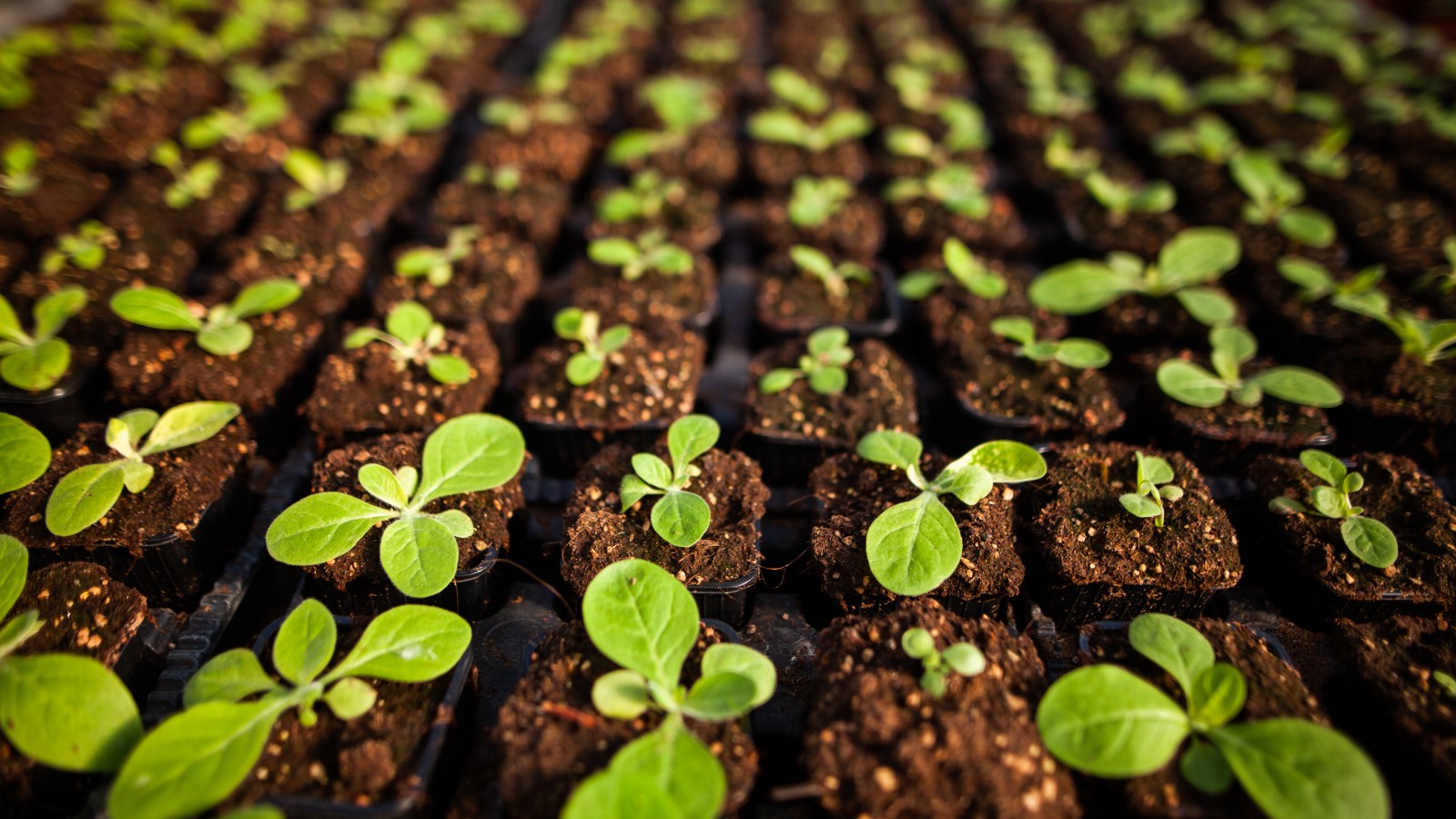
Imagine the aroma of fresh basil wafting through your kitchen on a cold winter day. While snow piles up outside, you're snipping vibrant green leaves for a Caprese salad or a fragrant pesto. Sounds like a dream, right? Well, it doesn't have to be! Growing basil during winter is entirely possible, and with a little know-how, you can enjoy the taste of summer all year round.
Growing Basil Indoors During Winter: A Comprehensive Guide
Choosing the Right Basil Variety for Winter Indoor Growing
Not all basil varieties are created equal, especially when it comes to indoor growing. Some are more compact and better suited for containers, while others might require more light and space. When planning togrow basil indoors during winter, selecting the right variety is a crucial first step. Here are a few excellent choices:
- Genovese Basil: This is your classic Italian basil, perfect for pesto and other culinary delights. It tends to be a bit larger, but you can prune it to keep it manageable.
- Dwarf Basil: As the name suggests, dwarf basil varieties are much smaller and more compact, making them ideal for small pots and windowsills. 'Spicy Globe' is a popular choice.
- Lemon Basil: Adds a citrusy twist to your dishes. It's relatively easy to grow indoors and offers a unique flavor profile.
- Thai Basil: Offers an anise-like flavor and is a great addition to Asian-inspired dishes. It tends to be more tolerant of lower light conditions than some other varieties.
Consider what you plan to use the basil for and how much space you have available when making your selection. For example, if you only have a small windowsill, dwarf basil is the obvious choice. If you're a pesto enthusiast, Genovese basil might be worth the extra effort.
Setting Up Your Indoor Basil Garden for Winter Growing
Creating the right environment is key to successfullygrowing basil during the winter months. Basil thrives in warm, sunny conditions, so you'll need to replicate these conditions indoors as best as you can.
Location, Location, Location
Basil needs at least 6-8 hours of direct sunlight per day. A south-facing window is usually the best option. If you don't have access to a sunny window, you'll need to supplement with artificial light. Grow lights are a fantastic solution, especially during the darkest winter months. You can use fluorescent grow lights or LED grow lights. LED lights are more energy-efficient and often last longer. Position the grow lights a few inches above the plants and keep them on for 12-14 hours per day.
Choosing the Right Container and Soil
Select a container that is at least 6 inches in diameter and has drainage holes. Good drainage is essential to prevent root rot. Terracotta pots are a good choice because they allow the soil to breathe. As for soil, use a high-quality potting mix that is well-draining. Avoid using garden soil, as it can be too heavy and compact for container gardening. A mix of peat moss, perlite, and vermiculite is ideal.
Temperature and Humidity
Basil prefers temperatures between 65°F and 80°F (18°C and 27°C). Keep your plants away from drafts and cold windowsills. Humidity can be a challenge in winter, as indoor air tends to be dry. You can increase humidity by misting the plants regularly, placing a tray of water near the plants, or using a humidifier. Grouping plants together can also help to create a more humid microclimate.
Caring for Your Basil Plants During Winter
Once your basil plants are set up in their cozy indoor environment, regular care is essential for their continued growth and productivity when*growing basil indoors during the winter.
Watering and Fertilizing
Water your basil plants when the top inch of soil feels dry to the touch. Avoid overwatering, as this can lead to root rot. Water deeply, until water drains out of the drainage holes. Empty any excess water from the saucer underneath the pot to prevent the plants from sitting in water. Fertilize your basil plants every two to three weeks with a balanced liquid fertilizer diluted to half strength. A fertilizer with an NPK ratio of 10-10-10 is a good choice.
Pruning and Harvesting
Regular pruning is essential for keeping your basil plants healthy and productive. Pinch off the top sets of leaves regularly to encourage bushier growth. This also prevents the plant from flowering, which can diminish the flavor of the leaves. When harvesting, cut stems just above a set of leaves. This will encourage new growth from the side shoots. You can harvest basil leaves as needed, as long as you leave enough foliage for the plant to continue growing.
Pest and Disease Control
Indoor basil plants are generally less susceptible to pests and diseases than outdoor plants. However, it's still important to be vigilant. Keep an eye out for common pests like aphids, spider mites, and whiteflies. If you spot any pests, you can try washing them off with a strong stream of water or using insecticidal soap. Avoid using harsh chemicals, as they can harm your plants and contaminate your harvest. As for diseases, root rot is the most common problem. Prevent root rot by ensuring good drainage and avoiding overwatering.
Troubleshooting Common Problems When Growing Basil During Winter
Even with the best care, you might encounter some challenges whengrowing basil during the winter. Here are some common problems and how to solve them:
- Yellowing Leaves: This can be a sign of overwatering, underwatering, nutrient deficiency, or cold temperatures. Adjust your watering schedule, fertilize your plants, and make sure they're not exposed to cold drafts.
- Leggy Growth: This is usually caused by insufficient light. Move your plants to a sunnier location or supplement with artificial light. Prune the leggy stems to encourage bushier growth.
- Slow Growth: This can be due to a variety of factors, including insufficient light, low temperatures, nutrient deficiency, or poor soil. Check all the essential factors and adjust as needed.
- Pests: As previously mentioned, monitor for pests and treat them promptly with appropriate methods.
Remember that patience is key. Growing basil indoors during winter can be a bit more challenging than growing it outdoors in the summer, but with a little attention and care, you can enjoy a bountiful harvest of fresh basil all year round.
Speaking of maintaining a thriving garden, indoors or out, a reliable watering system is essential. We've found that a good quality garden hose, like the Garden Hose 75 FT with 10-Function Nozzle, Leak-proof Metal Connector Water Hose, No Knots, Kink-Free, Lighter, Anti-Pets, Wear-Resistant, 3/4 GHT, Metal Hose for Garden, Yard, Outdoor, can really make a difference in keeping your plants hydrated and healthy. You can find this dependable gardening water hose here: https://amzn.to/3Yv E0Bo.