Picture this: you’re making a delicious pesto, but you're out of fresh basil! A quick trip to the grocery store solves the problem, but what if you could extend the life of that store-bought basil and create an endless supply? The good news is, with a little know-how, you absolutely can! Growing Basil From Store-Bought: A Complete Guide So, can you really grow basil from store bought bunches? Absolutely! It's a fantastic way to save money, reduce waste, and enjoy fresh basil whenever you need it. However, the success of growing basil from store bought depends on a few key factors. This article will walk you through the entire process, from selecting the right basil to harvesting your homegrown leaves. We'll cover everything you need to know to successfully propagate basil from your grocery store haul. Selecting the Right Store-Bought Basil for Propagation Not all store-bought basil is created equal when it comes to propagation. To increase your ...
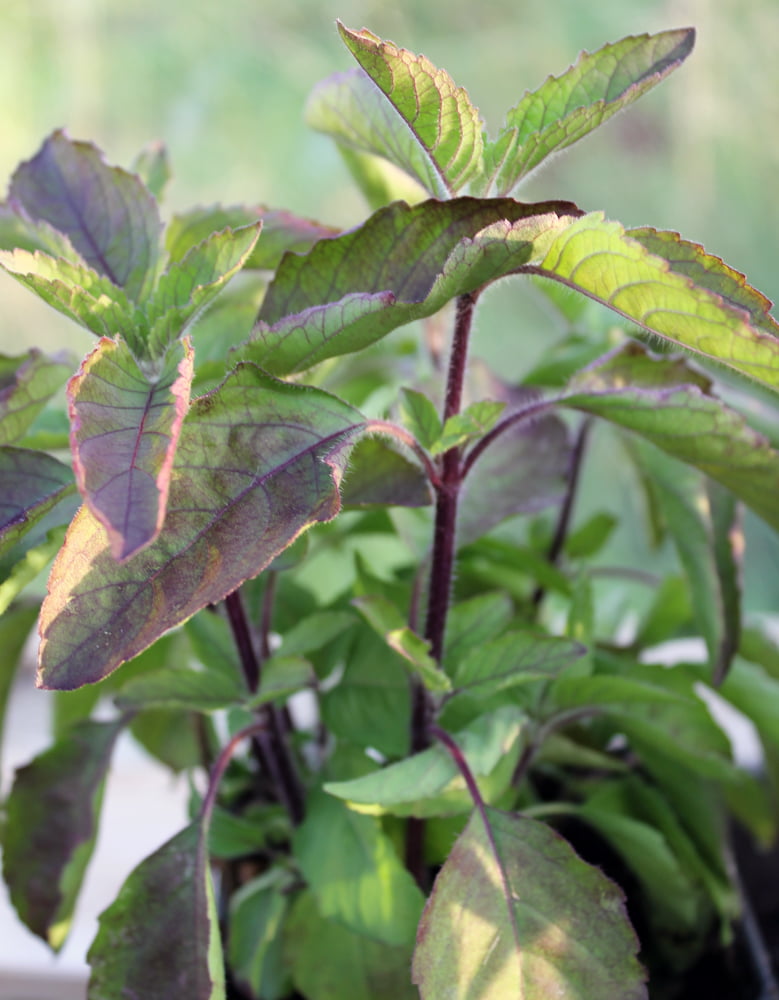
Imagine the vibrant aroma of anise and clove filling your UK garden, a testament to your green thumb. This isn't just any herb; it's Thai Holy Basil, or Tulsi, a plant revered for its spiritual and culinary significance. Cultivating this exotic herb in the UK might seem daunting, but with the right knowledge and care, you can successfully grow Thai Holy Basil and enjoy its unique flavour and therapeutic benefits.
Understanding Thai Holy Basil and UK Climate
Thai Holy Basil (Ocimum tenuiflorum), distinct from sweet basil (Ocimum basilicum), boasts a spicy, peppery flavour with hints of clove and anise. It's an essential ingredient in many Southeast Asian dishes like Pad Kra Pao. Originating in tropical regions, its survival in the UK relies on understanding its needs and adapting our gardening practices. UK weather, with its unpredictable swings between damp cold and brief sunshine, requires a strategic approach to ensure your Thai Holy Basil plants thrive. The key is mimicking its natural, warm environment as much as possible.
Key Differences Between Thai Holy Basil Varieties
While often referred to collectively, there are primarily two popular varieties of Thai Holy Basil: Rama Tulsi (green leaves and stems) and Krishna Tulsi (purple leaves and stems). Krishna Tulsi is known for its stronger flavour and medicinal properties. When sourcing seeds or seedlings in the UK, confirming the variety can significantly impact the plant's flavour profile and growth characteristics. Both types have similar growing needs, but Krishna Tulsi might require slightly more warmth and sunlight.
Here's a quick comparison:
- Rama Tulsi: More common, milder flavour, green leaves and stems.
- Krishna Tulsi: Less common, stronger flavour, purple leaves and stems, potentially more medicinal benefits.
Growing Thai Holy Basil UK: From Seed to Harvest
Starting from Seed: Indoors is Essential
Given the UK climate, starting Thai Holy Basil from seed indoors is highly recommended. Begin approximately 6-8 weeks before the last expected frost. Use seed trays or small pots filled with a good quality seed-starting mix. Sow seeds lightly on the surface and gently press them into the soil. Keep the soil consistently moist, but not waterlogged. Germination typically occurs within 7-14 days at a temperature of around 21-24°C (70-75°F). A heat mat can significantly improve germination rates, especially during cooler months.
Tip: Cover the seed tray with a plastic dome or cling film to maintain humidity. Remove the cover once seedlings emerge.
Transplanting Seedlings: Timing is Everything
Once the seedlings have developed a few sets of true leaves (typically after 4-6 weeks), they are ready for transplanting. Choose a warm, sunny location in your garden. The ideal time for transplanting outdoors in the UK is late spring or early summer, after the risk of frost has passed. Before transplanting, harden off the seedlings by gradually exposing them to outdoor conditions for a week. This involves increasing the amount of time they spend outside each day, starting with an hour and gradually increasing to several hours. This process helps them acclimatise to the cooler temperatures and stronger sunlight.
When transplanting, space the plants about 30-45 cm (12-18 inches) apart to allow for adequate air circulation. Gently remove the seedlings from their containers and plant them in well-draining soil enriched with compost or other organic matter. Water them thoroughly after planting.
For those with limited garden space, growing Thai Holy Basil in pots is an excellent alternative. Use a large container (at least 30 cm in diameter) with drainage holes. Fill the pot with a high-quality potting mix. Potted plants can be easily moved indoors during periods of cold weather.
Soil, Sunlight, and Watering: The Holy Trinity
Thai Holy Basil thrives in well-draining soil that is rich in organic matter. The ideal p H range is between 6.0 and
7.5. Amend heavy clay soil with compost or other organic matter to improve drainage. Full sun is crucial for optimal growth. Aim for at least 6-8 hours of direct sunlight per day. Insufficient sunlight can lead to leggy growth and reduced flavour.
Water regularly, especially during dry spells. Allow the soil to dry out slightly between waterings to prevent root rot. Avoid overhead watering, as this can promote fungal diseases. Watering in the morning is preferable, as it allows the foliage to dry out during the day. During particularly hot summer months, you might need to water your plants daily. A good gardening practice is to check the soil moisture by sticking your finger about an inch deep into the soil. If it feels dry, it's time to water.
Fertilising for Flavour and Growth
Regular fertilising is essential for promoting vigorous growth and abundant foliage. Use a balanced organic fertiliser every 2-4 weeks. Alternatively, you can use a liquid seaweed fertiliser diluted according to the manufacturer's instructions. Avoid over-fertilising, as this can lead to excessive foliage growth at the expense of flavour. A soil test can help determine if your soil is lacking essential nutrients. Follow the fertilizer instructions carefully to prevent burning the roots of the plants. Look for fertilizers that are specifically formulated for herbs.
Dealing with Pests and Diseases
While Thai Holy Basil is relatively pest and disease-resistant, it can be susceptible to certain problems, especially in the humid UK climate. Common pests include aphids, spider mites, and slugs. Inspect your plants regularly for signs of infestation. Aphids can be controlled with a strong blast of water or by introducing beneficial insects like ladybugs. Spider mites can be treated with insecticidal soap. Slugs can be controlled with beer traps or by hand-picking them off the plants at night.
Fungal diseases, such as powdery mildew, can be a problem in humid conditions. Ensure good air circulation around the plants by spacing them properly. Avoid overhead watering and remove any infected leaves promptly. You may be able to treat fungal issues with a copper-based fungicide, but always follow the instructions on the label and use this as a last resort.
Harvesting and Using Your Thai Holy Basil
When and How to Harvest
You can begin harvesting Thai Holy Basil leaves as soon as the plant is established, usually about 6-8 weeks after transplanting. Pinch off the leaves and stems just above a leaf node. This encourages the plant to branch out and produce more leaves. Regular harvesting will also prevent the plant from flowering, which can reduce the flavour of the leaves.
The best time to harvest is in the morning, after the dew has dried but before the sun is too hot. This is when the leaves are at their most flavourful. Avoid harvesting more than one-third of the plant at any one time, as this can stress the plant.
Culinary Uses of Thai Holy Basil
Thai Holy Basil is a versatile herb that can be used in a variety of dishes. Its unique flavour pairs well with stir-fries, curries, soups, and salads. It's the key ingredient in the famous Thai dish Pad Kra Pao, a spicy stir-fry with meat, chili peppers, garlic, and Thai Holy Basil. You can also use it to flavour omelettes, sauces, and marinades.
Tip: Add Thai Holy Basil towards the end of cooking to preserve its flavour. Overcooking can cause the leaves to become bitter.
Beyond the Kitchen: Other Uses and Benefits
Beyond its culinary uses, Thai Holy Basil is revered for its medicinal properties. It is considered an adaptogen, meaning it helps the body adapt to stress. It is also believed to have antioxidant, anti-inflammatory, and antimicrobial properties. In traditional Ayurvedic medicine, Thai Holy Basil is used to treat a variety of ailments, including colds, coughs, fever, and digestive problems. You can make Thai Holy Basil tea by steeping fresh or dried leaves in hot water for 5-10 minutes. You can even add it to bathwater for a relaxing and aromatic experience.
Overwintering Thai Holy Basil in the UK
Bringing Plants Indoors
As temperatures begin to drop in the autumn, it's time to bring your Thai Holy Basil plants indoors. Before bringing them inside, inspect them carefully for pests and diseases. Prune back the plants to encourage new growth. Place them in a sunny location, such as a south-facing window. Water them less frequently during the winter months, allowing the soil to dry out slightly between waterings.
Consider using a grow light to supplement natural sunlight, especially during the shorter days of winter. You may need to provide extra humidity, as indoor air can be dry. You can do this by placing a tray of water near the plants or by using a humidifier.
Propagating Cuttings
Another way to overwinter Thai Holy Basil is to propagate cuttings. Take cuttings from healthy stems in late summer or early autumn. Remove the lower leaves and place the cuttings in a glass of water. Roots should develop within a few weeks. Once the roots are about 2-3 cm long, transplant the cuttings into small pots filled with potting mix. Keep the soil moist and place the pots in a sunny location. The new plants can be overwintered indoors and transplanted outdoors in the spring.
Growing Thai Holy Basil in the UK might require a bit of extra effort, but the rewards are well worth it. With its unique flavour and medicinal properties, this versatile herb is a valuable addition to any garden. By understanding its needs and adapting your gardening practices, you can successfully cultivate Thai Holy Basil and enjoy its many benefits.
To keep your garden well-hydrated and ensure your Thai Holy Basil thrives, consider using a reliable watering system. TheGarden Hose 75 FT with 10-Function Nozzle, Leak-proof Metal Connector Water Hose, No Knots, Kink-Free, Lighter, Anti-Pets, Wear-Resistant, 3/4 GHT, Metal Hose for Garden, Yard, Outdoor is an excellent option. This durable and versatile75-foot garden watering hose provides convenient watering solutions for your entire garden. Check it out here: https://amzn.to/3Yv E0Bo.