Picture this: you’re making a delicious pesto, but you're out of fresh basil! A quick trip to the grocery store solves the problem, but what if you could extend the life of that store-bought basil and create an endless supply? The good news is, with a little know-how, you absolutely can! Growing Basil From Store-Bought: A Complete Guide So, can you really grow basil from store bought bunches? Absolutely! It's a fantastic way to save money, reduce waste, and enjoy fresh basil whenever you need it. However, the success of growing basil from store bought depends on a few key factors. This article will walk you through the entire process, from selecting the right basil to harvesting your homegrown leaves. We'll cover everything you need to know to successfully propagate basil from your grocery store haul. Selecting the Right Store-Bought Basil for Propagation Not all store-bought basil is created equal when it comes to propagation. To increase your ...
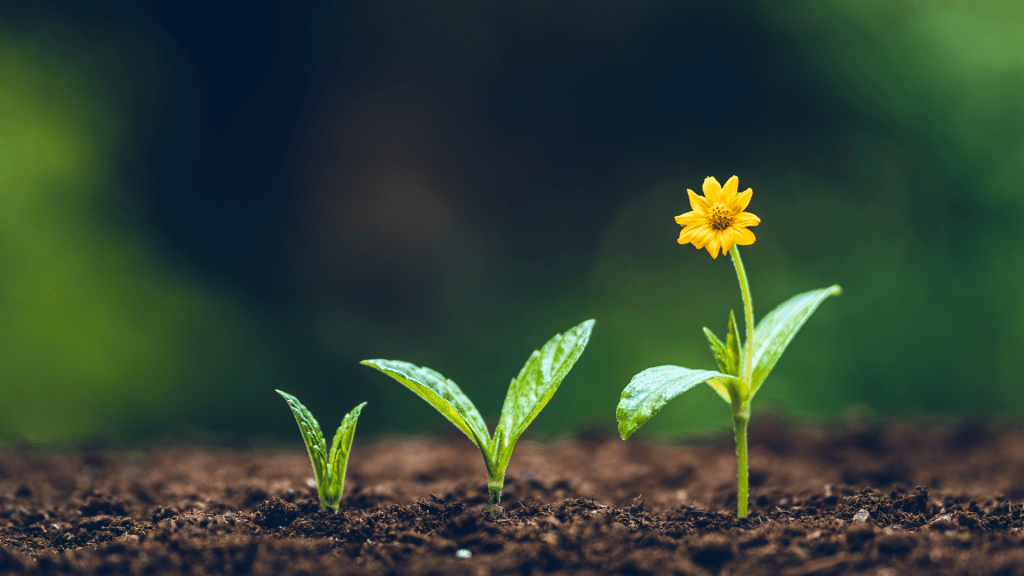
Imagine stepping into your garden and being greeted by the vibrant aroma of fresh basil. A lush, bountiful basil plant, ready to add its fragrant leaves to your favorite dishes. It’s not just a dream! With a little know-how, you can cultivate your own thriving basil bush. Let's dive into the secrets of growing big, beautiful basil plants.
How To Grow A Big Basil Plant: A Comprehensive Guide
Basil, a culinary staple beloved for its aromatic leaves and versatile uses, is surprisingly easy to cultivate. But turning a small seedling into a sprawling, productive plant requires understanding its needs and providing the right environment. This guide covers everything from seed selection to harvesting techniques, ensuring you have all the information you need on how to grow a big basil plant.
Choosing the Right Basil Variety
Basil isn't just basil! There's a diverse range of varieties, each with unique flavors and growth habits. Selecting the right one for your culinary preferences and growing conditions is the first step to success in your quest to grow a big basil plant. Here's a look at some popular options:
- Sweet Basil: The most common variety, known for its classic Italian flavor. Ideal for pesto, pasta sauces, and salads.
- Genovese Basil: A slightly more intense flavor than sweet basil, also excellent for pesto. Many consider it the gold standard for Italian dishes.
- Thai Basil: Anise and licorice notes make it perfect for Asian cuisine. Its sturdy leaves hold up well in stir-fries and soups.
- Lemon Basil: A citrusy aroma and flavor, ideal for salads, fish dishes, and teas. It adds a refreshing twist to any recipe.
- Purple Basil: Adds visual appeal with its deep purple leaves, and has a slightly different, somewhat spicier flavor.
Consider your climate and available space when choosing your basil variety. Some varieties are more heat-tolerant than others, and some grow taller and bushier. If you're limited on space, dwarf varieties might be a better choice. Experimenting with different types can also be a fun way to discover new flavors and textures.
Planting Basil: From Seeds to Seedlings
You have two main options for starting your basil: from seeds or from seedlings. Starting from seeds gives you more control over the entire process and is generally more cost-effective. However, buying seedlings allows you to get a head start and bypass the initial, more delicate stages of growth. Here’s how to handle both:
Starting Basil from Seeds
Starting basil from seeds is incredibly rewarding. Begin indoors 6-8 weeks before the last expected frost. Use a seed-starting mix in seed trays or small pots. Sow seeds about ¼ inch deep and keep the soil consistently moist but not soggy. A heat mat can help with germination, as basil prefers warm temperatures (70-80°F). Once seedlings emerge, provide plenty of light – a grow light is ideal if natural sunlight is limited. Transplant the seedlings outdoors once the risk of frost has passed and the soil has warmed up. Make sure you gradually acclimate the seedlings to outdoor conditions by hardening them off for a week or two before transplanting.
Transplanting Basil Seedlings
Whether you started your own seeds or purchased seedlings from a nursery, transplanting requires care. Choose a sunny location with well-drained soil. Dig a hole slightly larger than the root ball of the seedling. Gently remove the seedling from its container, loosening any circling roots. Place the seedling in the hole and backfill with soil, gently firming it around the base of the plant. Water thoroughly after transplanting. Space basil plants 12-18 inches apart to allow for proper air circulation and growth.
Basil Care: Sunlight, Soil, and Water
Providing the right conditions is paramount for a healthy and productive basil plant. Basil thrives in warm temperatures and needs consistent care to flourish. Sunlight, soil quality, and proper watering are the three pillars of successful basil cultivation.
Sunlight Requirements
Basil needs at least 6-8 hours of sunlight per day. A sunny location is crucial for robust growth and flavorful leaves. If you're growing basil indoors, a south-facing window or a grow light is essential. Insufficient sunlight can lead to leggy, weak plants with pale leaves. If you notice your basil is stretching towards the light, it's a sign that it needs more exposure.
Soil Conditions
Well-drained soil is key to preventing root rot, a common problem for basil plants. Amend your soil with compost or other organic matter to improve drainage and fertility. Basil prefers slightly acidic to neutral soil p H (6.0-7.5). A soil test can help you determine your soil p H and nutrient levels. Avoid heavy clay soils, which retain too much water. If you have clay soil, consider growing basil in raised beds or containers with a well-draining potting mix.
Watering Basil Plants
Water basil regularly, especially during hot, dry weather. The goal is to keep the soil consistently moist but not waterlogged. Overwatering can lead to root rot, while underwatering can cause wilting and stunted growth. Check the soil moisture by sticking your finger about an inch deep. If the soil feels dry, it's time to water. Water deeply and slowly, allowing the water to soak into the soil. Avoid watering the leaves directly, as this can promote fungal diseases. Mulching around the base of the plant can help retain moisture and suppress weeds.
When watering, especially if you use a garden hose, it's important to have one that's reliable and easy to use. Consider the Garden Hose 75 FT with 10-Function Nozzle, Leak-proof Metal Connector Water Hose, No Knots, Kink-Free, Lighter, Anti-Pets, Wear-Resistant, 3/4 GHT, Metal Hose, perfect for providing your basil with the water it needs while avoiding any annoying kinks or leaks. This versatile watering hose would certainly make gardening easier! You can find it here: https://amzn.to/3Yv E0Bo
Fertilizing Your Basil Plant
Basil, like all plants, benefits from regular feeding. A balanced fertilizer can help promote vigorous growth and abundant leaf production. Here's how to fertilize your basil plant effectively:
- Choose the right fertilizer: A balanced fertilizer with an NPK ratio of 10-10-10 or 20-20-20 is a good choice. Organic options like compost tea or fish emulsion are also excellent.
- Fertilize regularly: Feed your basil plant every 2-4 weeks during the growing season. Follow the instructions on the fertilizer label.
- Avoid over-fertilizing: Too much fertilizer can lead to leggy growth and a decrease in flavor. It can also burn the roots.
- Foliar feeding: A foliar spray of diluted fertilizer can provide a quick boost of nutrients.
Pay attention to your basil plant's growth and adjust your fertilizing schedule accordingly. If the leaves are pale green or yellow, it may need more nitrogen. If the plant is growing slowly, it may need more phosphorus. A soil test can help you determine which nutrients are lacking.
Pinching and Pruning Basil for Bushier Growth
Pinching and pruning are essential techniques for encouraging bushy growth and preventing your basil plant from flowering too early. When basil flowers, it diverts energy from leaf production, resulting in smaller, less flavorful leaves. Here's how to pinch and prune your basil:
- Pinch off flower buds: As soon as you see flower buds forming, pinch them off with your fingers or pruning shears. This will encourage the plant to produce more leaves.
- Prune regularly: Prune your basil plant every few weeks to encourage branching. Cut back the stems just above a set of leaves.
- Harvest frequently: Regular harvesting is also a form of pruning. Don't be afraid to harvest plenty of leaves – it will encourage the plant to grow even more.
By pinching and pruning, you'll not only increase leaf production but also create a bushier, more attractive plant. The goal is to keep the plant focused on producing leaves rather than flowers.
Dealing with Pests and Diseases
Basil is relatively pest-resistant, but it can be susceptible to certain pests and diseases. Here's how to identify and manage common problems:
- Aphids: Small, soft-bodied insects that suck sap from leaves. Wash them off with a strong stream of water or use insecticidal soap.
- Spider mites: Tiny mites that create webbing on leaves. Increase humidity and use insecticidal soap.
- Japanese beetles: Metallic green beetles that chew holes in leaves. Handpick them off the plant or use a row cover.
- Downy mildew: A fungal disease that causes yellow spots on leaves. Improve air circulation and use a fungicide.
- Fusarium wilt: A soilborne fungal disease that causes wilting and death. Plant disease-resistant varieties and avoid overwatering.
Regularly inspect your basil plants for signs of pests or diseases. Early detection and treatment are key to preventing serious problems. Organic pest control methods are generally preferred over chemical pesticides, as they are safer for you and the environment.
Harvesting and Storing Basil
Harvesting basil at the right time and storing it properly is essential for preserving its flavor and freshness. Here's how to harvest and store basil:
- Harvest in the morning: Harvest basil leaves in the morning, after the dew has dried but before the sun gets too hot. This is when the leaves are at their most flavorful.
- Harvest regularly: Regular harvesting encourages new growth. Don't be afraid to harvest plenty of leaves.
- Store basil properly: Basil wilts quickly, so it's important to store it properly. Wrap the stems in a damp paper towel and place them in a plastic bag in the refrigerator. You can also freeze basil leaves or make pesto.
Fresh basil is best, but properly stored basil can retain its flavor for several days or even months. Experiment with different storage methods to find what works best for you.
Troubleshooting Common Basil Problems
Even with the best care, you may encounter problems when growing basil. Here are some common issues and how to fix them:
- Yellowing leaves: This can be caused by overwatering, underwatering, nutrient deficiencies, or pests. Check the soil moisture, fertilize if necessary, and inspect for pests.
- Wilting leaves: This can be caused by underwatering, root rot, or transplant shock. Water deeply, improve drainage, and protect newly transplanted seedlings from extreme weather.
- Leggy growth: This is caused by insufficient sunlight. Provide more sunlight or use a grow light.
- Slow growth: This can be caused by poor soil, lack of fertilizer, or cool temperatures. Amend the soil, fertilize regularly, and protect plants from cold weather.
By understanding the common problems that can affect basil plants, you can quickly identify and address them, ensuring a healthy and productive harvest.
Conclusion: Enjoying Your Big Basil Plant
Growing a big, beautiful basil plant is a rewarding experience. With the right knowledge and care, you can enjoy a bountiful harvest of fresh, flavorful basil all season long. From selecting the right variety to harvesting and storing your basil, this comprehensive guide has provided you with all the information you need to succeed in your quest to grow a big basil plant. So, get your hands dirty, embrace the process, and savor the delicious rewards of your labor!