Picture this: you’re making a delicious pesto, but you're out of fresh basil! A quick trip to the grocery store solves the problem, but what if you could extend the life of that store-bought basil and create an endless supply? The good news is, with a little know-how, you absolutely can! Growing Basil From Store-Bought: A Complete Guide So, can you really grow basil from store bought bunches? Absolutely! It's a fantastic way to save money, reduce waste, and enjoy fresh basil whenever you need it. However, the success of growing basil from store bought depends on a few key factors. This article will walk you through the entire process, from selecting the right basil to harvesting your homegrown leaves. We'll cover everything you need to know to successfully propagate basil from your grocery store haul. Selecting the Right Store-Bought Basil for Propagation Not all store-bought basil is created equal when it comes to propagation. To increase your ...
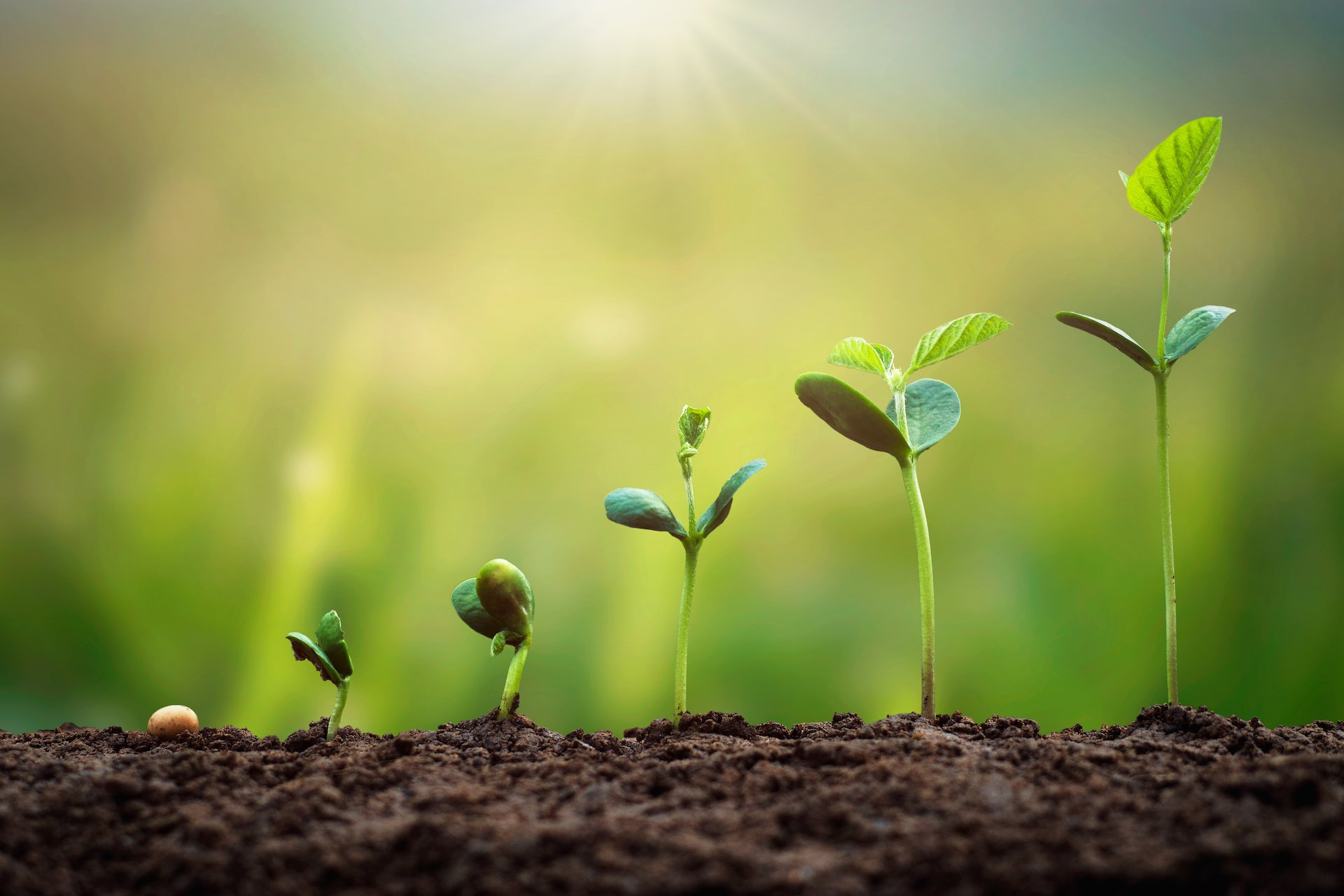
Picture this: a warm summer breeze carrying the intoxicating scent of fresh basil, ready to be plucked and tossed into your favorite pasta dish or blended into a vibrant pesto. Growing your own Italian basil at home isn't just about having access to incredibly flavorful herbs; it's about connecting with nature, adding a touch of green to your living space, and experiencing the simple joy of nurturing something from seed to harvest. Ready to embark on this fragrant adventure? Let's get started!
Why Grow Italian Basil At Home?
There are countless reasons to cultivate your own Italian basil. For starters, the flavor of homegrown basil is simply unmatched. Store-bought basil often pales in comparison, lacking the intensity and freshness that comes from plucking leaves straight from the plant. Plus, growing your own basil allows you to control what goes into it – no pesticides, no mystery chemicals, just pure, natural goodness. You can also choose from a wider variety of basil types, going beyond the standard sweet basil found in most grocery stores.
Selecting the Right Italian Basil Variety for Your Home
While "Italian basil" generally refers to sweet basil (Ocimum basilicum), there are many cultivars within this species, each with slightly different characteristics. Choosing the right one depends on your personal preferences and growing conditions.
- Sweet Basil: The classic choice, known for its aromatic leaves and versatile culinary uses.
- Genovese Basil: A popular sweet basil cultivar prized for its large, slightly wrinkled leaves and intense flavor, making it ideal for pesto. It's often considered the "true" pesto basil.
- Purple Basil: Offers a beautiful visual contrast with its deep purple leaves. Its flavor is slightly more assertive than sweet basil.
- Lemon Basil: As the name suggests, this variety has a distinct citrusy aroma and flavor, perfect for teas, salads, and Asian-inspired dishes.
- Thai Basil: Characterized by its anise-like flavor and purple stems, Thai basil is commonly used in Southeast Asian cuisine.
Consider your climate and the amount of sunlight your growing area receives when selecting your basil variety. Some varieties are more heat-tolerant than others. Researching specific cultivars beforehand can make a big difference in your success. For example, if you live in a particularly hot area, a heat-tolerant variety like African Blue Basil (though not strictly "Italian," it's still a great basil option!) might be a better choice than a more delicate sweet basil cultivar.
Starting Your Italian Basil: Seeds vs. Seedlings
You have two primary options when starting your basil journey: growing from seed or purchasing seedlings (also known as starter plants). Both approaches have their advantages and disadvantages.
Growing Basil From Seed: A Fulfilling Project
Starting from seed is a more economical and rewarding option, allowing you to witness the entire life cycle of the plant. However, it requires more patience and attention. Here's how to do it:
- Start Seeds Indoors (Recommended): Sow seeds indoors 6-8 weeks before the last expected frost. Use a seed-starting mix and sow seeds about ¼ inch deep in small pots or seed trays. Keep the soil consistently moist but not soggy.
- Provide Adequate Light: Basil seeds need light to germinate. Place seed trays near a sunny window or under grow lights. Grow lights offer more consistent and controllable light, especially in areas with limited sunlight.
- Maintain Warmth: Basil seeds germinate best in temperatures between 70-80°F (21-27°C). Use a heat mat to provide bottom heat if needed.
- Transplant Seedlings: Once the seedlings have developed a few sets of true leaves (the second set of leaves that appear after the initial seed leaves), they can be transplanted into larger pots or directly into the garden after all danger of frost has passed.
Tip: Soaking basil seeds in water for 12-24 hours before planting can improve germination rates. Change the water every 6-8 hours to prevent fungal growth.
Using Basil Seedlings: A Quick Start
Purchasing seedlings from a nursery or garden center offers a quicker and easier way to get started. However, you'll have less control over the variety and growing conditions of the plants before you acquire them.
- Choose Healthy Seedlings: Select seedlings that are vibrant green, compact, and free from pests or diseases. Avoid plants that are leggy (tall and spindly) or have yellowing leaves.
- Handle with Care: When transplanting seedlings, be gentle with the roots. Avoid disturbing them excessively.
- Acclimatize Seedlings: If you're planting seedlings directly into the garden, gradually acclimatize them to outdoor conditions over a week or two. This process, called "hardening off," helps prevent shock. Place them outside for a few hours each day, gradually increasing the amount of time they spend outdoors.
Planting Your Italian Basil: Location, Soil, and Spacing
Basil thrives in warm, sunny locations with well-drained soil. Choose a spot that receives at least 6-8 hours of direct sunlight per day. Proper soil preparation is crucial for healthy growth.
- Soil Preparation: Amend the soil with compost or other organic matter to improve drainage and fertility. Basil prefers slightly acidic to neutral soil (p H 6.0-7.5).
- Spacing: Space basil plants 12-18 inches apart to allow for adequate air circulation and prevent overcrowding. Overcrowding can lead to fungal diseases.
- Container Growing: If growing in containers, choose pots that are at least 8-12 inches in diameter. Use a high-quality potting mix specifically formulated for herbs or vegetables. Ensure the pot has drainage holes to prevent waterlogging.
Fact: Basil is a "heavy feeder," meaning it requires a good amount of nutrients. Incorporating slow-release fertilizer into the soil at planting time can provide a steady supply of nutrients throughout the growing season.
Growing in a container? Make sure to water your plants with a trustygarden hose 75 FT with 10-Function Nozzle, Leak-proof Metal Connector Water Hose, No Knots, Kink-Free, Lighter, Anti-Pets, Wear-Resistant, 3/4 GHT, Metal Hose for Garden, Yard, Outdoor, ensuring a consistent and gentle flow of water for optimal growth. You can find a top-rated water hose right here:https://amzn.to/3Yv E0Bo.
Caring for Your Italian Basil: Watering, Fertilizing, and Pruning
Proper care is essential for maximizing your basil harvest. This includes consistent watering, regular fertilizing, and strategic pruning.
Watering: The Right Amount
Basil needs consistent moisture, especially during hot weather. Water deeply whenever the top inch of soil feels dry to the touch. Avoid overwatering, as this can lead to root rot. Water in the morning to allow the foliage to dry before nightfall, reducing the risk of fungal diseases.
Fertilizing: Feeding Your Basil Plants
Feed basil plants every 2-3 weeks with a balanced liquid fertilizer diluted to half strength. Avoid over-fertilizing, as this can reduce the flavor of the leaves. Alternatively, you can use a slow-release fertilizer incorporated into the soil at planting time.
Pruning: Encouraging Bushier Growth
Pruning is essential for encouraging bushy growth and preventing basil from flowering prematurely. Pinch off the top sets of leaves regularly, especially when you see flower buds forming. Pinching off flower buds redirects the plant's energy into producing more leaves, resulting in a larger and more flavorful harvest. Always prune just above a leaf node (the point where leaves emerge from the stem).
Case Study: A study conducted by the University of California, Davis, found that regular pruning increased basil leaf yield by up to 50% compared to plants that were not pruned.
Troubleshooting Common Basil Problems
Even with the best care, basil plants can sometimes encounter problems. Being aware of common issues and how to address them can help you keep your basil healthy and productive.
Pests: Keeping Bugs Away
Common basil pests include aphids, spider mites, and Japanese beetles. Inspect your plants regularly for signs of infestation, such as small insects on the undersides of leaves, webbing, or chewed foliage.
- Aphids: Spray aphids with a strong stream of water or use insecticidal soap.
- Spider Mites: Increase humidity around the plants and spray with insecticidal soap or neem oil.
- Japanese Beetles: Handpick Japanese beetles or use Japanese beetle traps.
Diseases: Preventing Fungal Growth
Basil is susceptible to fungal diseases such as downy mildew and fusarium wilt, especially in humid conditions. Good air circulation and proper watering practices can help prevent these diseases.
- Downy Mildew: Look for yellowing leaves with gray or purple fuzz on the undersides. Remove affected leaves immediately and improve air circulation. Consider using a copper-based fungicide as a preventative measure.
- Fusarium Wilt: Look for wilting leaves and stunted growth. Fusarium wilt is a soilborne disease that is difficult to control. Remove affected plants immediately and avoid planting basil in the same spot in the future. Choose disease-resistant basil varieties.
Harvesting and Storing Your Italian Basil
Harvest basil leaves as needed throughout the growing season. The best time to harvest is in the morning after the dew has dried, when the essential oils are most concentrated. Simply pinch or cut off the leaves just above a leaf node.
- Fresh Basil: Store fresh basil leaves in a glass of water like cut flowers. Cover loosely with a plastic bag and refrigerate. This method can keep basil fresh for up to a week.
- Dried Basil: Dry basil leaves by hanging them upside down in a cool, dark, and dry place or by using a dehydrator. Store dried basil in an airtight container.
- Frozen Basil: Freeze basil leaves by blanching them briefly in boiling water, then plunging them into ice water. Drain well and freeze in freezer bags or ice cube trays. Frozen basil will lose some of its texture but retain its flavor.
- Basil Pesto: Make pesto and freeze it in small portions for later use.
Data: Studies show that freezing basil pesto preserves the flavor and aroma compounds better than freezing fresh basil leaves alone.
Growing Italian basil at home is a rewarding experience that allows you to enjoy fresh, flavorful herbs whenever you need them. With a little care and attention, you can have a thriving basil plant that provides you with a bountiful harvest throughout the growing season. So, roll up your sleeves, get your hands dirty, and start growing your own delicious Italian basil today!