Picture this: you’re making a delicious pesto, but you're out of fresh basil! A quick trip to the grocery store solves the problem, but what if you could extend the life of that store-bought basil and create an endless supply? The good news is, with a little know-how, you absolutely can! Growing Basil From Store-Bought: A Complete Guide So, can you really grow basil from store bought bunches? Absolutely! It's a fantastic way to save money, reduce waste, and enjoy fresh basil whenever you need it. However, the success of growing basil from store bought depends on a few key factors. This article will walk you through the entire process, from selecting the right basil to harvesting your homegrown leaves. We'll cover everything you need to know to successfully propagate basil from your grocery store haul. Selecting the Right Store-Bought Basil for Propagation Not all store-bought basil is created equal when it comes to propagation. To increase your ...
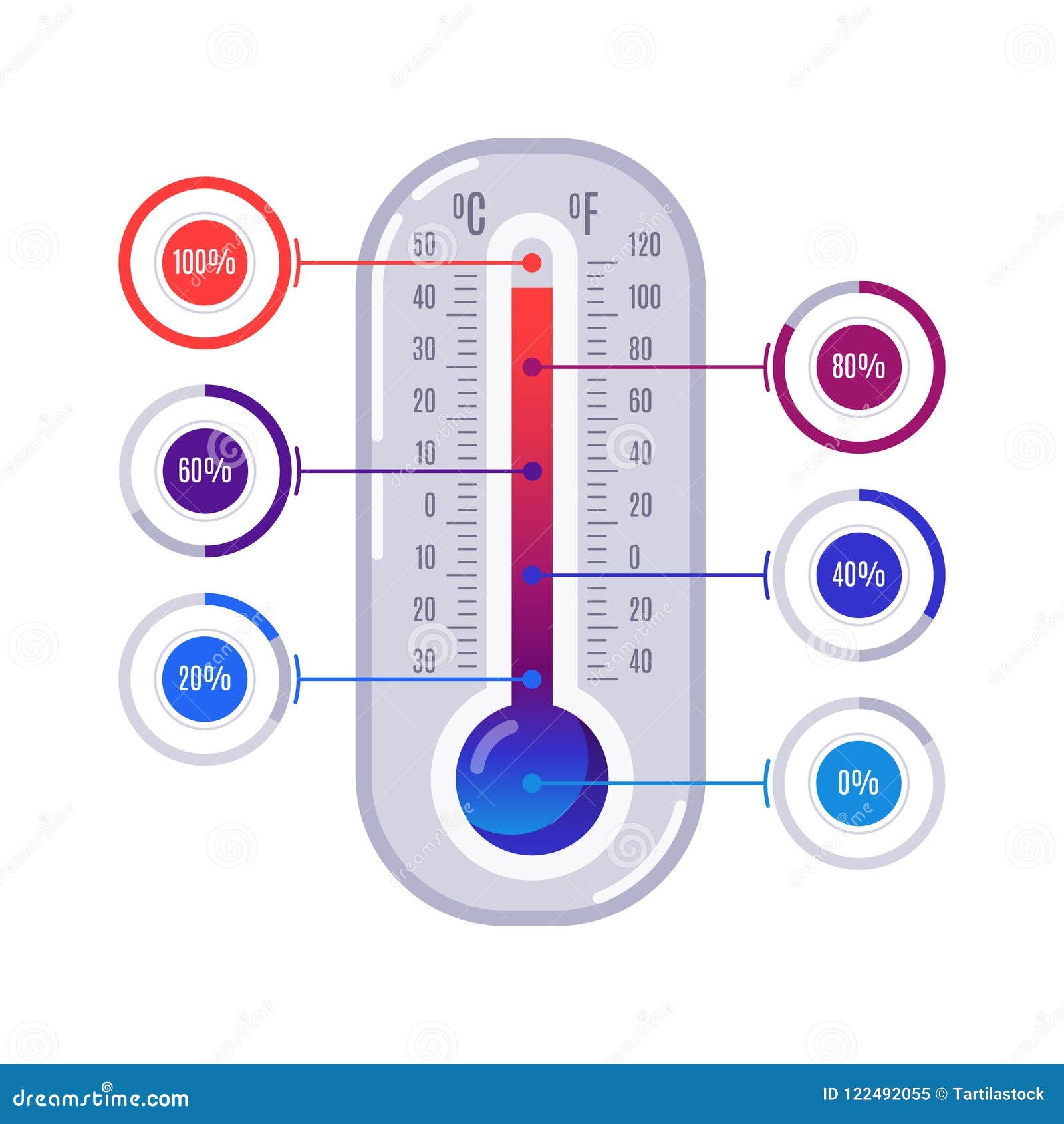
Have you ever dreamed of stepping outside and snipping fresh, fragrant basil leaves for your pasta sauce or pesto? Basil, that vibrant green herb, is a culinary staple in many gardens. But unlocking its full potential requires understanding its temperature preferences. Getting the temperature right is key to ensuring a bountiful harvest of this sun-loving herb. Read on to discover what temperature does basil need to grow, and how to provide the ideal climate for your basil plant to flourish.
Growing Basil: Temperature is Key
Basil, scientifically known as Ocimum basilicum, thrives in warm temperatures. Knowing the ideal temperature range for basil growth is crucial for successful cultivation, whether you're growing it indoors or outdoors. This herb is quite sensitive to cold and frost, so protecting it from these conditions is vital. In this section, we will explore the temperature requirements for each stage of basil growth and how to maintain a consistent and optimal environment.
What is the Ideal Temperature for Basil Growth?
Basil thrives in warm conditions, ideally between 70°F and 80°F (21°C and 27°C). This is the sweet spot that encourages vigorous growth and abundant leaf production. However, basil can still grow within a slightly broader range, typically between 60°F and 90°F (15°C and 32°C), but outside of the ideal range, you might notice slower growth or stress on the plant. It is important to keep in mind that temperatures significantly below 60°F (15°C) or above 90°F (32°C) can inhibit growth and potentially damage or even kill the basil plant.
Here's a quick reference table for ideal basil growing temperatures:
| Temperature Range | Effect on Basil Growth |
|---|---|
| 70°F - 80°F (21°C - 27°C) | Ideal for optimal growth and leaf production |
| 60°F - 90°F (15°C - 32°C) | Acceptable range, but growth may be slower |
| Below 60°F (15°C) | Growth inhibited, risk of cold damage |
| Above 90°F (32°C) | Potential stress and reduced growth |
The Importance of Consistent Temperature
Consistent temperature is just as important as the ideal temperature range. Fluctuations in temperature can stress the plant, making it more susceptible to diseases and pests. It's important to avoid sudden drops or spikes in temperature, especially during the early stages of growth. Maintain stable conditions by using greenhouses, cold frames, or indoor setups where temperature can be carefully controlled. Here are some additional points to consider when maintaining consistent temperatures:
- Avoid Drafts: Protect basil plants from cold drafts, which can quickly lower the temperature and stress the plant.
- Monitor Nighttime Temperatures: Even if daytime temperatures are ideal, nighttime temperatures can dip significantly. Ensure nighttime temperatures remain above 60°F (15°C).
- Use Heating Mats: For indoor growing, heating mats can help maintain a consistent soil temperature, promoting root growth and overall plant health.
Minimum Temperature for Basil: Avoiding Cold Damage
Basil is highly susceptible to cold damage, and it's crucial to protect it from temperatures below 50°F (10°C). Temperatures below this threshold can cause chilling injury, characterized by stunted growth, yellowing leaves, and even death. Frost is particularly damaging and can quickly kill basil plants. Basil is not frost-tolerant, and any exposure to freezing temperatures is detrimental. Understanding the minimum growing temperature for basil will help to ensure its health and survival, especially in cooler climates or during unexpected cold snaps.
Protecting Basil from Cold Weather
There are several strategies to safeguard basil plants from cold weather:
- Planting Time: Don't plant basil outdoors until after the last expected frost in your area.
- Covering Plants: If a cold snap is predicted, cover outdoor basil plants with frost cloths or blankets to provide insulation.
- Container Gardening: Grow basil in containers that can be easily moved indoors when temperatures drop.
- Greenhouses or Cold Frames: Use greenhouses or cold frames to extend the growing season and protect basil from cold weather.
One effective strategy to ensure your basil always gets the hydration it needs, especially when outdoor temperatures fluctuate, is to consider a high-quality watering solution. Imagine easily managing your garden with the help of a reliable watering tool! The "Garden Hose 75 FT with 10-Function Nozzle, Leak-proof Metal Connector Water Hose, No Knots, Kink-Free, Lighter, Anti-Pets, Wear-Resistant, 3/4 GHT, Metal Hose for Garden, Yard, Outdoor" provides a convenient and durable way to keep your garden, including your temperature-sensitive basil plants, properly watered. You can find this useful tool for managing your garden temperatures here: https://amzn.to/3Yv E0Bo. With this 75-foot garden hose, watering your plants becomes a breeze.
Maximum Temperature for Basil: Preventing Heat Stress
While basil loves warmth, excessive heat can also be detrimental. Temperatures consistently above 90°F (32°C) can cause heat stress, leading to wilting, reduced growth, and decreased essential oil production. The essential oils are responsible for basil's distinct aroma and flavor, so maintaining optimal conditions is crucial. Overheating can also make basil more susceptible to pests and diseases. Basil plants will not be as productive in very high temperatures.
Managing High Temperatures
Here are some techniques to manage high temperatures and prevent heat stress in basil plants:
- Provide Shade: During the hottest part of the day, provide shade for basil plants using shade cloth or by planting them in an area that receives partial afternoon shade.
- Watering: Ensure basil plants receive adequate water, especially during hot weather. Water deeply and regularly, but avoid overwatering, which can lead to root rot.
- Mulching: Apply a layer of mulch around the base of the plants to help retain soil moisture and keep the soil cooler.
- Ventilation: In greenhouses, ensure good ventilation to prevent temperatures from rising too high.
What Temperature Does Basil Need to Sprout?
Seed germination is a crucial stage in growing basil, and temperature plays a pivotal role. The ideal soil temperature for basil seed germination is between 70°F and 85°F (21°C and 29°C). Within this range, basil seeds will germinate quickly and uniformly. Lower temperatures can significantly delay germination or prevent it altogether. Soil temperature is a crucial factor in seed sprouting for basil plants. Here are some tips to ensure optimum temperatures for germination:
- Use a Heating Mat: When starting seeds indoors, use a heating mat to maintain a consistent soil temperature.
- Location: Place seed trays in a warm location, such as a sunny windowsill or greenhouse.
- Monitor Soil Temperature: Use a soil thermometer to monitor the soil temperature and ensure it stays within the ideal range.
Indoor vs. Outdoor Basil: Temperature Considerations
Growing basil indoors offers greater control over temperature and environmental conditions. Indoor basil plants are shielded from extreme weather and temperature fluctuations. Outdoor basil plants are subject to the vagaries of the weather, so careful monitoring and protection are essential. Here are some specific temperature considerations for indoor and outdoor basil growing:
Indoor Basil
- Consistent Temperature: Maintain a consistent temperature between 70°F and 80°F (21°C and 27°C) using heating and cooling systems.
- Humidity: Monitor humidity levels to prevent issues like powdery mildew.
- Lighting: Provide adequate light, either through natural sunlight or grow lights, to support healthy growth.
Outdoor Basil
- Monitor Weather: Pay close attention to weather forecasts and take action to protect plants from cold snaps or excessive heat.
- Acclimatization: Gradually acclimatize indoor-grown basil plants to outdoor conditions before transplanting them.
- Location: Choose a location that provides some protection from extreme weather, such as a spot near a wall or fence.
By understanding and managing the temperature requirements of basil, you can ensure a thriving and productive herb garden. Basil prefers consistent warmth, protection from cold, and measures to mitigate heat stress. Happy growing!