Picture this: you’re making a delicious pesto, but you're out of fresh basil! A quick trip to the grocery store solves the problem, but what if you could extend the life of that store-bought basil and create an endless supply? The good news is, with a little know-how, you absolutely can! Growing Basil From Store-Bought: A Complete Guide So, can you really grow basil from store bought bunches? Absolutely! It's a fantastic way to save money, reduce waste, and enjoy fresh basil whenever you need it. However, the success of growing basil from store bought depends on a few key factors. This article will walk you through the entire process, from selecting the right basil to harvesting your homegrown leaves. We'll cover everything you need to know to successfully propagate basil from your grocery store haul. Selecting the Right Store-Bought Basil for Propagation Not all store-bought basil is created equal when it comes to propagation. To increase your ...
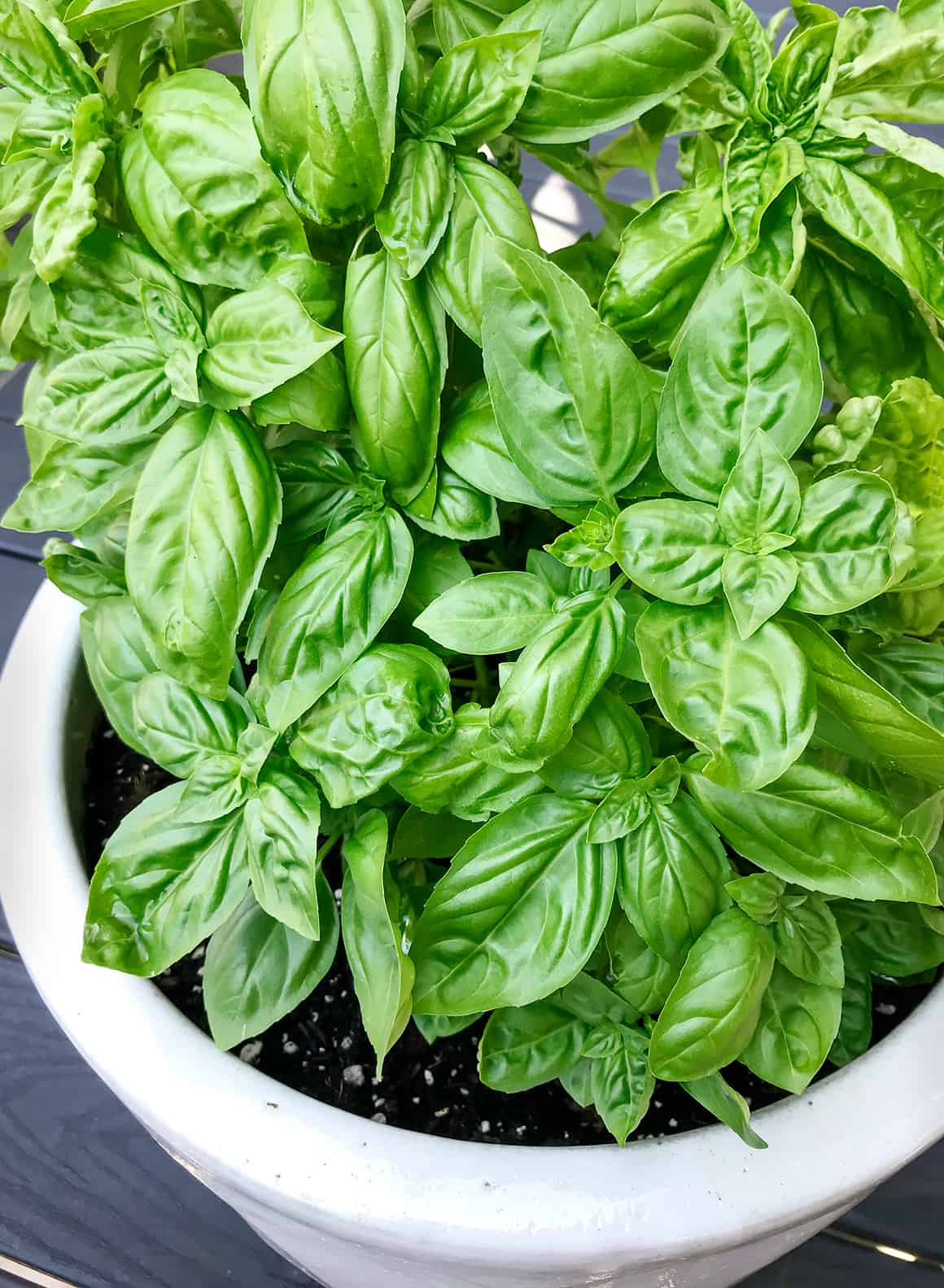
Basil, with its fragrant leaves and culinary versatility, is a staple in many gardens. But as the days grow shorter and temperatures drop, you might wonder: will that beloved basil plant of yours grace your garden again next year?
Understanding Basil's Life Cycle
To answer the question of whether your basil will grow back next year, it’s crucial to understand its life cycle. Basil is generally considered anannual plant. This means it completes its life cycle in a single growing season. From seed to flower to seed again, all happens within one year, after which the plant naturally dies.
Why Basil is Typically an Annual
The annual nature of basil is largely due to its sensitivity to cold temperatures. Basil thrives in warm weather, ideally between 70°F and 90°F (21°C and 32°C). When temperatures consistently drop below 50°F (10°C), basil plants begin to suffer. Frost is a death sentence for most basil varieties. This vulnerability makes them unsuitable for surviving harsh winters in many climates. Therefore, the answer to whether your basil plant will naturally grow back is, in most cases,no. Basil doesn't typically grow back from the same plant.
The Exception: Tropical Climates
There are exceptions to every rule. In tropical and subtropical climates where temperatures remain consistently warm year-round, basilcansometimes behave more like a perennial. If protected from any occasional dips in temperature, a basil plant might continue to produce leaves for more than one year. However, even in these climates, the plant's productivity often declines after the first year or two.
Factors Influencing Basil Survival
Even if basil is an annual, its survival and potential for regrowth can be influenced by several factors:
- Climate: As mentioned before, consistently warm temperatures are essential for basil survival.
- Variety: Some basil varieties are more cold-tolerant than others, though none are truly frost-hardy.
- Protection: Providing protection from frost and cold winds can extend basil's lifespan. This might involve covering the plant with a frost blanket or bringing potted basil indoors.
- Pruning: Regular pruning, especially removing flower spikes, can encourage the plant to focus its energy on leaf production rather than seed production, potentially prolonging its life.
- Soil Health: Healthy soil promotes healthy plants. Well-draining soil rich in organic matter will help basil thrive and potentially last longer.
What To Do to Encourage Basil To Grow Back Next Year
Since basil is an annual, the chances of the same plant growing back next year are slim. However, there are ways to ensure you have basil in your garden again:
- Collect Seeds: Allow some of your basil plants to flower and produce seeds. Collect these seeds and store them in a cool, dry place over the winter.
- Start Seeds Indoors: In early spring, start the seeds indoors 6-8 weeks before the last expected frost. This will give you a head start on the growing season.
- Take Cuttings: Basil can easily be propagated from cuttings. Take stem cuttings in late summer or early fall, root them in water or soil, and overwinter them indoors. This provides a clone of your favorite plant.
- Succession Planting: Plant basil seeds or seedlings every few weeks throughout the growing season to ensure a continuous supply of fresh leaves.
Collecting and Storing Basil Seeds
Collecting seeds from your basil plants is a simple and cost-effective way to ensure you have basil to plant next year. Here's how:
- Allow some of your basil plants to flower.
- Once the flowers dry and turn brown, the seed pods are ready to be harvested.
- Cut the flower heads from the plant and place them in a paper bag.
- Allow the flower heads to dry completely in a cool, dry place for a week or two.
- Gently crush the flower heads to release the seeds.
- Separate the seeds from the chaff by using a fine-mesh sieve.
- Store the seeds in an airtight container in a cool, dark, and dry place.
Overwintering Basil Cuttings Indoors
Overwintering basil cuttings is a good way to have a clone of your favorite basil plant for the next year. This is done by:
- Take 4-6 inch stem cuttings from healthy basil plants.
- Remove the lower leaves, leaving only a few leaves at the top.
- Place the cuttings in a glass of water or directly into moist potting soil.
- If rooting in water, change the water every few days. Roots should form within a week or two.
- Once the cuttings have developed roots, transplant them into small pots filled with well-draining potting mix.
- Place the pots in a sunny location indoors, such as a south-facing window.
- Water regularly, allowing the soil to dry slightly between waterings.
- Fertilize sparingly with a balanced liquid fertilizer.
- Pinch back the tips of the plants to encourage bushier growth.
Conclusion: Will Basil Grow Back Next Year?
While the original basil plant itself is unlikely to grow back after winter in most climates, by understanding its lifecycle and taking proactive steps, you can absolutely enjoy fresh basil in your garden year after year. Whether you collect seeds, propagate cuttings, or simply replant each spring, there are numerous ways to ensure you have a bountiful basil harvest.
Keeping your garden well-watered is key to a successful harvest, and a reliable hose is essential. For an excellent watering solution, consider this75 FT Garden Hose with a 10-Function Nozzle! It is a Leak-proof Metal Connectorwater hose, it is No Knots, Kink-Free, Lighter, Anti-Pets, Wear-Resistant, 3/4 GHT, Metal Hose for Garden, Yard, Outdoor! Check it out here:https://amzn.to/3Yv E0Bo.