Picture this: you’re making a delicious pesto, but you're out of fresh basil! A quick trip to the grocery store solves the problem, but what if you could extend the life of that store-bought basil and create an endless supply? The good news is, with a little know-how, you absolutely can! Growing Basil From Store-Bought: A Complete Guide So, can you really grow basil from store bought bunches? Absolutely! It's a fantastic way to save money, reduce waste, and enjoy fresh basil whenever you need it. However, the success of growing basil from store bought depends on a few key factors. This article will walk you through the entire process, from selecting the right basil to harvesting your homegrown leaves. We'll cover everything you need to know to successfully propagate basil from your grocery store haul. Selecting the Right Store-Bought Basil for Propagation Not all store-bought basil is created equal when it comes to propagation. To increase your ...
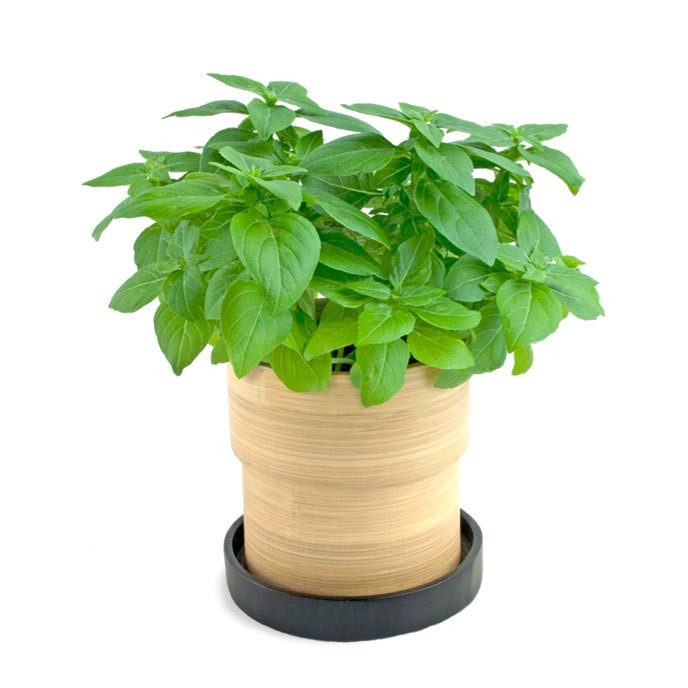
Imagine stepping outside your door and snipping fresh, fragrant basil leaves to add to your pasta sauce, pesto, or summer salad. Growing your own basil, even if you only have a small balcony or patio, is not only possible but surprisingly easy and rewarding. Let's get started on your basil-growing adventure!
Getting Started with Basil: A Beginner's Guide to Container Gardening
Why Grow Basil in a Pot? The Benefits
Growing basil in a pot offers a multitude of advantages, especially for urban gardeners or those with limited space. Here are a few compelling reasons to consider container gardening for your basil plants:
- Space Efficiency: Pots allow you to grow basil even in the smallest of spaces, like balconies, patios, or even a sunny windowsill.
- Portability: You can easily move your basil plant to follow the sun, protect it from harsh weather, or bring it indoors during the winter months (in some climates).
- Controlled Environment: Container gardening allows you to have complete control over the soil, watering, and fertilization, leading to healthier and more productive plants. You can easily avoid common garden pests and diseases.
- Aesthetic Appeal: A lush, green basil plant in a decorative pot can add beauty and fragrance to your outdoor or indoor space.
Choosing to grow basil in a container opens up a world of possibilities for fresh, homegrown flavor, regardless of your living situation. This method helps incontrolling the growth environment andprotecting the plant from unfavorable weather conditions. Let's delve into the specifics of how to successfully grow basil in a pot!
Choosing the Right Pot and Soil for Growing Basil in a Container
Selecting the Ideal Pot
The pot you choose will significantly impact your basil's growth. Here's what to consider:
- Size: A pot that's too small will restrict root growth, while one that's too large can retain too much moisture. A pot that is 6-8 inches in diameter is good to start. A general rule of thumb is to opt for a pot that is at least 6 inches in diameter and depth for a single basil plant. As it grows, you might need to transplant it to a larger pot (8-12 inches). For multiple plants, choose a larger pot accordingly.
- Material: Clay pots are porous, allowing for better air circulation and drainage, but they can dry out quickly. Plastic pots retain moisture better, but drainage is crucial. Terracotta pots also look beautiful and promote good airflow.
- Drainage: Ensure the pot has drainage holes to prevent waterlogging, which can lead to root rot. If your pot doesn't have drainage holes, you can drill some yourself, or add a layer of gravel at the bottom to improve drainage.
Remember that the size of your pot directly influences the size of your basil plant. A larger pot will support a larger, more productive plant. Don't skimp on space; your basil will thank you!
Selecting the Right Soil Mix
Basil thrives in well-draining, nutrient-rich soil. Avoid using garden soil, as it can be too heavy and compact for container gardening. Opt for a high-quality potting mix specifically designed for containers. Here's what to look for:
- Well-Draining: The soil should allow excess water to drain freely, preventing root rot.
- Nutrient-Rich: The mix should contain essential nutrients to support healthy growth. You can supplement with organic fertilizers like compost or worm castings.
- Slightly Acidic: Basil prefers a slightly acidic soil p H (around 6.0-7.5).
You can also create your own potting mix by combining equal parts of:
- Peat moss or coconut coir (for moisture retention)
- Perlite or vermiculite (for drainage)
- Compost or aged manure (for nutrients)
A good potting mix is the foundation for healthy basil growth. Don't underestimate the importance of investing in a quality mix, or crafting your own!
Sometimes when we get too deep into our gardening, we need to take care of ourselves as well. When it comes to gardening comfortably, something like theKVR Upgraded Garden Kneeler and Seat with Thicken & Widen Soft Kneeling Pad can make a world of difference. Thisheavy-duty foldable gardener stool with2 tool pouches is a lifesaver for those long hours tending to your plants. If you're searching forgardening gifts for women, moms, or men, this could be the perfect present! Find it here:https://amzn.to/4mhl Mx I.
Planting Your Basil Seeds or Seedlings
Starting from Seed vs. Seedlings
You have two options when starting your basil journey: seeds or seedlings. Each has its advantages and disadvantages:
- Seeds: Starting from seed is more economical and gives you a wider variety of basil types to choose from. However, it requires more time and effort, as you need to germinate the seeds and care for the seedlings.
- Seedlings: Buying seedlings from a nursery or garden center is a quicker and easier option. You'll have a head start on the growing season, but you'll be limited to the varieties available at the store.
Regardless of which method you choose, ensure you're using high-quality seeds or healthy, vibrant seedlings.
Planting Instructions
Here's how to plant your basil, whether you're starting from seed or seedlings:
From Seed:
- Fill your pot with the chosen potting mix, leaving about an inch of space at the top.
- Moisten the soil thoroughly.
- Sprinkle the basil seeds evenly over the surface of the soil.
- Gently press the seeds into the soil (no more than 1/4 inch deep).
- Cover the pot with plastic wrap or a humidity dome to create a greenhouse effect.
- Place the pot in a warm, sunny location.
- Once the seeds germinate (usually within 5-10 days), remove the plastic wrap and provide adequate light.
- Thin out the seedlings to allow for proper spacing.
From Seedlings:
- Gently remove the seedlings from their containers.
- Loosen the roots slightly.
- Dig a hole in the potting mix large enough to accommodate the root ball.
- Place the seedling in the hole and gently backfill with soil.
- Water thoroughly.
Whether you choose the seed or seedling route, proper planting is key to establishing a strong foundation for your basil plant. Remember to be gentle with the delicate seedlings!
Caring for Your Potted Basil Plant: Watering, Sunlight, and Fertilizing
Watering
Basil needs consistent moisture but doesn't like to sit in soggy soil. Water your basil plant when the top inch of soil feels dry to the touch. Water thoroughly, allowing excess water to drain out of the drainage holes. Avoid overhead watering, as this can lead to fungal diseases. Instead, water at the base of the plant.
During hot, dry weather, you may need to water your basil plant more frequently. Check the soil moisture daily and adjust your watering schedule accordingly.
Sunlight
Basil thrives in full sun, requiring at least 6-8 hours of direct sunlight per day. If you're growing your basil indoors, place it near a sunny window or provide supplemental lighting with a grow light.
If your basil plant is not getting enough sunlight, it may become leggy and produce fewer leaves. Rotate the pot regularly to ensure all sides of the plant receive adequate light.
Fertilizing
Basil is a relatively heavy feeder and benefits from regular fertilization. Feed your basil plant with a balanced, water-soluble fertilizer every 2-4 weeks during the growing season. You can also use organic fertilizers like compost tea or fish emulsion.
Avoid over-fertilizing, as this can lead to excessive foliage growth at the expense of flavor. Follow the instructions on the fertilizer label carefully.
Consistent care is the secret ingredient to a thriving basil plant. Proper watering, ample sunlight, and regular fertilization will ensure a bountiful harvest!
Harvesting and Pruning Your Basil: Encouraging Bushier Growth
When to Harvest
You can start harvesting basil leaves as soon as the plant has several sets of true leaves (usually when it's about 6-8 inches tall). The more you harvest, the more the plant will produce. The best time to harvest basil is in the morning, after the dew has dried but before the sun is too hot. This is when the essential oils (which give basil its flavor) are at their peak.
How to Harvest
Pinch or cut off the leaves at the nodes (the point where the leaves grow from the stem). This will encourage the plant to branch out and produce more leaves. Avoid removing more than one-third of the plant's foliage at any one time.
Pruning
Regular pruning is essential for maintaining a bushy, productive basil plant. Pinch off the flower buds as soon as they appear. Allowing the plant to flower will cause it to stop producing leaves and focus its energy on seed production. By pinching off the flowers, you'll encourage the plant to continue producing flavorful leaves.
Harvesting and pruning are not just about collecting leaves; they're about shaping the plant and encouraging continuous growth. Think of it as a beneficial cycle: the more you harvest and prune, the more basil you'll get!
Common Problems and Solutions When Growing Basil in Pots
Even with the best care, you may encounter some challenges when growing basil in pots. Here are some common problems and how to address them:
- Yellowing Leaves: This can be caused by overwatering, underwatering, nutrient deficiencies, or pests. Adjust your watering schedule, fertilize appropriately, and inspect the plant for pests.
- Root Rot: This is caused by waterlogged soil. Ensure your pot has good drainage and avoid overwatering. If root rot occurs, you may need to repot the plant in fresh soil.
- Pests: Common basil pests include aphids, spider mites, and whiteflies. Control pests with insecticidal soap or neem oil. You can also attract beneficial insects to your garden to help control pest populations.
- Fungal Diseases: These can be caused by high humidity and poor air circulation. Improve air circulation by spacing plants appropriately and avoiding overhead watering. Treat fungal diseases with a fungicide if necessary.
Prevention is key when it comes to common basil issues. A well-draining potting mix, proper watering, good air circulation, and regular pest monitoring can go a long way in keeping your basil plant healthy and thriving.
Enjoying Your Homegrown Basil
Now that you know how to grow basil in a pot, it's time to enjoy the fruits (or rather, leaves!) of your labor. Fresh basil can be used in a variety of dishes, from salads and sauces to soups and pizzas. You can also dry or freeze basil for later use. Experiment with different basil varieties to find your favorites, and enjoy the fresh, aromatic flavor of homegrown basil!