Picture this: you’re making a delicious pesto, but you're out of fresh basil! A quick trip to the grocery store solves the problem, but what if you could extend the life of that store-bought basil and create an endless supply? The good news is, with a little know-how, you absolutely can! Growing Basil From Store-Bought: A Complete Guide So, can you really grow basil from store bought bunches? Absolutely! It's a fantastic way to save money, reduce waste, and enjoy fresh basil whenever you need it. However, the success of growing basil from store bought depends on a few key factors. This article will walk you through the entire process, from selecting the right basil to harvesting your homegrown leaves. We'll cover everything you need to know to successfully propagate basil from your grocery store haul. Selecting the Right Store-Bought Basil for Propagation Not all store-bought basil is created equal when it comes to propagation. To increase your ...
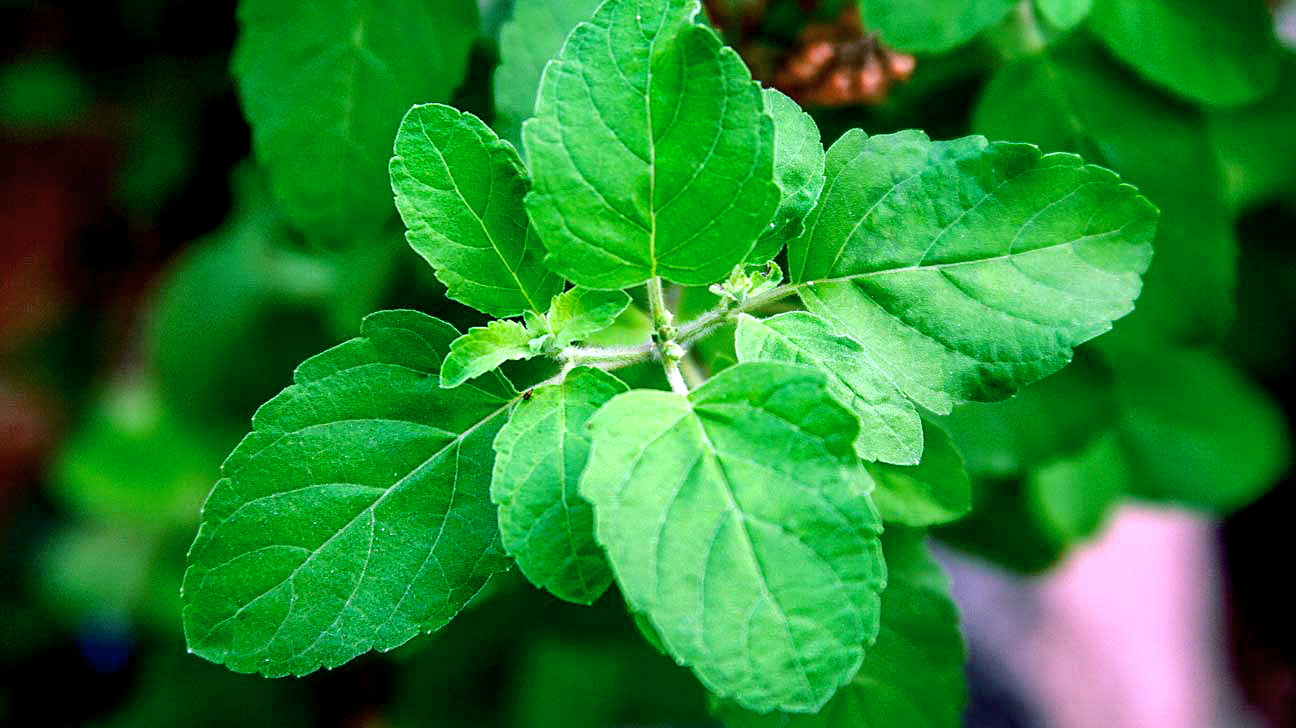
Imagine the aroma of fresh basil wafting through your kitchen, ready to be plucked and added to your favorite pasta sauce or summer salad. Growing your own basil is not only incredibly rewarding but also surprisingly easy, especially when you start from seed in containers. This guide will walk you through every step of the process, from selecting the right seeds to harvesting your bountiful basil crop.
Why Grow Basil From Seed in Containers?
There are several compelling reasons to consider growing basil from seed in containers. First, you have complete control over the growing environment. This is particularly beneficial if you live in an area with unpredictable weather or poor soil quality. Containers allow you to move your basil plants to sunny spots, protect them from frost, and ensure they receive the proper amount of water and nutrients. Second, starting from seed is often more cost-effective than purchasing established basil plants. A single packet of basil seeds can yield dozens of plants, providing a continuous supply of fresh herbs throughout the growing season. Finally, growing from seed is simply more fulfilling. Watching a tiny seed sprout and develop into a thriving basil plant is a truly gratifying experience.
Benefits of Container Gardening for Basil
Container gardening offers a range of advantages specifically suited to basil. It makes it easier to control pests and diseases. Soil-borne diseases and common garden pests are less likely to affect plants grown in containers, especially if you use a high-quality potting mix. Container gardening also makes it easier to manage soil quality. You can use a well-draining potting mix specifically formulated for herbs, ensuring that your basil plants receive the nutrients they need without becoming waterlogged. This is particularly important for basil, as it prefers well-drained soil to avoid root rot. The portability of containers allows for easy relocation. If a sudden cold snap threatens, you can quickly move your basil plants indoors to protect them from frost damage. Similarly, if your plants need more sunlight, you can easily move the containers to a sunnier location. This flexibility is invaluable for ensuring optimal growing conditions. With the right tools, it can also be relatively easier to water your plants, for example with a newgarden hose. I would highly recommend this 75 FT Garden Hose with a 10-Function Nozzlefor a more seamless watering experience. With its leak-proof metal connector, it's perfect for keeping your plants hydrated and healthy! Check it out here:Garden Hose
Choosing the Right Basil Seeds and Container
Selecting the right basil seeds and container is crucial for a successful harvest. There are numerous basil varieties to choose from, each with its own unique flavor and appearance. And the container plays an important role in growth as well. You should select an appropiate container to properly help your plant grow.
Basil Seed Varieties
Here are some popular basil varieties to consider:
- Sweet Basil: The most common variety, known for its classic basil flavor and aroma.
- Genovese Basil: A prized Italian variety, often used in pesto.
- Thai Basil: Offers a licorice-like flavor and is commonly used in Southeast Asian cuisine.
- Lemon Basil: Provides a refreshing citrusy aroma and flavor.
- Purple Basil: Adds a beautiful visual element with its deep purple leaves, offering a slightly spicier flavor.
Consider your culinary preferences and the aesthetic you want to achieve when selecting your basil seeds. For example, if you enjoy making pesto, Genovese basil is an excellent choice. If you prefer a more exotic flavor, Thai or lemon basil might be more appealing. Check out some of the types of basil that are more popular for each use below.
| Basil Variety | Flavor Profile | Common Uses |
|---|---|---|
| Sweet Basil | Classic, slightly peppery | Pasta sauces, salads, pesto |
| Genovese Basil | Strong, aromatic | Pesto, Italian dishes |
| Thai Basil | Licorice, anise | Southeast Asian cuisine, stir-fries |
| Lemon Basil | Citrusy, lemony | Salads, teas, seafood dishes |
| Purple Basil | Slightly spicy, clove-like | Salads, garnishes, vinegars |
Container Selection and Soil Preparation for Growing Basil in Containers
Choose a container that is at least 6-8 inches in diameter and depth to allow the basil plants to develop a healthy root system. Ensure the container has drainage holes to prevent waterlogging. Terracotta or plastic containers are both suitable options. Terracotta pots dry out more quickly, which can be beneficial in humid climates, while plastic pots retain moisture for longer periods. Proper soil preparation is essential. Use a high-quality potting mix specifically formulated for herbs or vegetables. Avoid using garden soil, as it can be too heavy and may not drain well. A good potting mix should be lightweight, well-draining, and contain a blend of peat moss, perlite, and vermiculite. You can also amend the potting mix with compost or aged manure to provide additional nutrients.
Sowing and Germinating Basil Seeds
The process of sowing and germinating your basil seeds is one of the most important, but also the easiest. With the right condition, you can grow your basil with success.
Sowing Seeds Indoors vs. Outdoors
Basil seeds can be started indoors or directly sown outdoors, depending on your climate and the time of year. Starting seeds indoors typically provides a head start, allowing you to harvest basil sooner. Sow seeds indoors 6-8 weeks before the last expected frost. Use seed starting trays or small pots filled with moist potting mix. Sow the seeds about ¼ inch deep and gently cover them with soil. Keep the soil consistently moist but not waterlogged. Use a spray bottle to mist the soil regularly. Place the seed starting trays or pots in a warm location, ideally between 70-80°F (21-27°C). You can use a heat mat to maintain the optimal soil temperature. Once the seedlings emerge, usually within 5-10 days, move them to a sunny location or under grow lights. If sowing seeds directly outdoors, wait until the soil has warmed up to at least 60°F (15°C). Choose a sunny location with well-drained soil. Sow the seeds about ¼ inch deep and space them 12-18 inches apart. Water gently and keep the soil consistently moist until the seedlings emerge.
Ensuring Successful Germination
To ensure successful germination, provide adequate warmth and moisture. Use a humidity dome or plastic wrap to cover the seed starting trays or pots, creating a humid environment that promotes germination. Remove the cover once the seedlings emerge to prevent fungal diseases. Provide adequate light. Basil seedlings need at least 6-8 hours of sunlight per day. If you're starting seeds indoors, use grow lights to supplement natural sunlight. Position the grow lights a few inches above the seedlings and adjust the height as the plants grow. Be patient. Germination can take up to two weeks, depending on the temperature and moisture levels. Avoid overwatering, as this can lead to damping off, a fungal disease that can kill seedlings. Only water when the soil surface feels dry to the touch. Consider the germination rates for basil. Basil seeds typically have a high germination rate, but it's always a good idea to sow a few extra seeds to account for any failures. You can also perform a germination test by placing a few seeds on a damp paper towel inside a plastic bag. Check the seeds daily for signs of germination.
Caring for Your Basil Plants in Containers
Once your basil seedlings have emerged and developed a few sets of true leaves, it's time to transplant them into larger containers or thin them out if you sowed them directly outdoors. Proper care is essential to ensure healthy growth and a bountiful harvest. This can include sunlight, watering, fertilization and trimming.
Transplanting and Thinning Basil Seedlings
When transplanting basil seedlings, handle them with care to avoid damaging the delicate roots. Gently loosen the soil around the seedlings and carefully lift them out of the seed starting trays or pots. Plant the seedlings in larger containers filled with well-draining potting mix. Space the plants 12-18 inches apart to allow for adequate air circulation and growth. If you sowed the seeds directly outdoors, thin out the seedlings to 12-18 inches apart once they have developed a few sets of true leaves. Use scissors or pruners to snip off the excess seedlings at the soil level. Avoid pulling the seedlings, as this can disturb the roots of the remaining plants. Water the transplanted or thinned basil plants thoroughly and provide them with a sunny location. It’s also good to handle the seedlings by the leaves, to avoid damaging the stem.
Watering, Fertilizing, and Providing Sunlight
Basil plants need consistent moisture but should not be overwatered. Water deeply when the top inch of soil feels dry to the touch. Avoid overhead watering, as this can promote fungal diseases. Instead, water at the base of the plant, using a watering can or a soaker hose. Basil plants benefit from regular fertilization. Use a balanced liquid fertilizer or a fertilizer specifically formulated for herbs. Fertilize every 2-4 weeks during the growing season. Follow the instructions on the fertilizer label for proper application rates. Basil plants need at least 6-8 hours of sunlight per day. Place the containers in a sunny location where the plants will receive ample sunlight. If you live in a hot climate, provide some afternoon shade to prevent the leaves from scorching. Rotate the containers regularly to ensure that all sides of the plants receive equal sunlight. This will promote even growth and prevent the plants from becoming leggy.
Pruning and Harvesting Basil
Regular pruning and harvesting are essential for maintaining healthy and productive basil plants. Pruning encourages bushier growth and prevents the plants from flowering, which can diminish the flavor of the leaves. Harvest basil leaves regularly by pinching or cutting them off just above a leaf node. This will encourage new growth and prolong the harvest season. When harvesting, start with the top leaves and work your way down the plant. Avoid removing more than one-third of the plant's leaves at a time, as this can stress the plant. To prevent flowering, pinch off any flower buds that appear. Flowering basil plants will produce seeds, but the leaves will become bitter and less flavorful. If you want to save seeds for future planting, allow a few plants to flower. However, be sure to harvest the seeds before they fall to the ground. You can dry basil leaves by hanging them upside down in a cool, dark, and well-ventilated place. Alternatively, you can freeze basil leaves by blanching them in boiling water for a few seconds and then placing them in ice water. Once cooled, pat the leaves dry and freeze them in freezer bags or ice cube trays. Here’s some data to back it up:
Case Study: A study conducted by the University of California, Davis, found that regular pruning and harvesting of basil plants resulted in a 30% increase in leaf yield compared to plants that were not pruned or harvested. The study also found that pruning helped to prevent flowering and maintain the flavor of the leaves.
Troubleshooting Common Basil Growing Problems
Even with the best care, basil plants can sometimes encounter problems. Here are some common issues and how to address them.
Pests and Diseases
Basil plants can be susceptible to various pests and diseases, including aphids, spider mites, and fungal diseases like powdery mildew and downy mildew. Aphids are small, soft-bodied insects that suck sap from the leaves, causing them to become distorted and yellow. Spider mites are tiny pests that create webs on the leaves and stems, causing the leaves to become speckled and dry. Fungal diseases like powdery mildew and downy mildew can cause white or gray patches to appear on the leaves. To prevent pests and diseases, provide good air circulation, avoid overwatering, and inspect your plants regularly. If you notice any signs of pests or diseases, take action immediately. You can use insecticidal soap or neem oil to control aphids and spider mites. For fungal diseases, remove affected leaves and apply a fungicide. Consider companion planting. Planting basil near certain plants, such as tomatoes and marigolds, can help to repel pests and diseases. For example, marigolds emit a scent that deters aphids and other pests, while tomatoes can help to protect basil from fungal diseases.
Yellowing Leaves and Other Issues
Yellowing leaves can be a sign of several problems, including overwatering, nutrient deficiencies, or pest infestations. If the leaves are yellowing and wilting, it could be a sign of overwatering. Allow the soil to dry out slightly between waterings. If the leaves are yellowing and the plant is not growing, it could be a sign of nutrient deficiencies. Fertilize the plant with a balanced liquid fertilizer or a fertilizer specifically formulated for herbs. If the leaves are yellowing and have tiny spots or webbing, it could be a sign of a pest infestation. Inspect the plant carefully and treat it with insecticidal soap or neem oil. Leggy growth, characterized by long, spindly stems and few leaves, is often caused by insufficient sunlight. Move the plant to a sunnier location or provide supplemental lighting. Wilting leaves can be a sign of underwatering, overwatering, or root rot. Check the soil moisture and adjust your watering accordingly. If the plant has root rot, remove the affected roots and repot the plant in fresh potting mix. Using the propergarden hose like our recommended one can also help combat underwatering! With its durable and lightweight design, it ensures your basil plants receive the hydration they need. Check it out here: Garden Hose
Enjoying Your Homegrown Basil
Growing basil from seed in containers is a rewarding experience that allows you to enjoy fresh, flavorful herbs right at your fingertips. With proper care and attention, you can harvest a bountiful crop of basil throughout the growing season. Use your homegrown basil in a variety of culinary applications, from classic pesto to refreshing summer salads. Share your harvest with friends and neighbors and spread the joy of growing your own herbs. Growing basil from seed in containers is a sustainable and eco-friendly way to add fresh flavor to your meals. By reducing your reliance on store-bought herbs, you can minimize your carbon footprint and support local food systems. So get started today and experience the satisfaction of growing your own basil!