Picture this: you’re making a delicious pesto, but you're out of fresh basil! A quick trip to the grocery store solves the problem, but what if you could extend the life of that store-bought basil and create an endless supply? The good news is, with a little know-how, you absolutely can! Growing Basil From Store-Bought: A Complete Guide So, can you really grow basil from store bought bunches? Absolutely! It's a fantastic way to save money, reduce waste, and enjoy fresh basil whenever you need it. However, the success of growing basil from store bought depends on a few key factors. This article will walk you through the entire process, from selecting the right basil to harvesting your homegrown leaves. We'll cover everything you need to know to successfully propagate basil from your grocery store haul. Selecting the Right Store-Bought Basil for Propagation Not all store-bought basil is created equal when it comes to propagation. To increase your ...
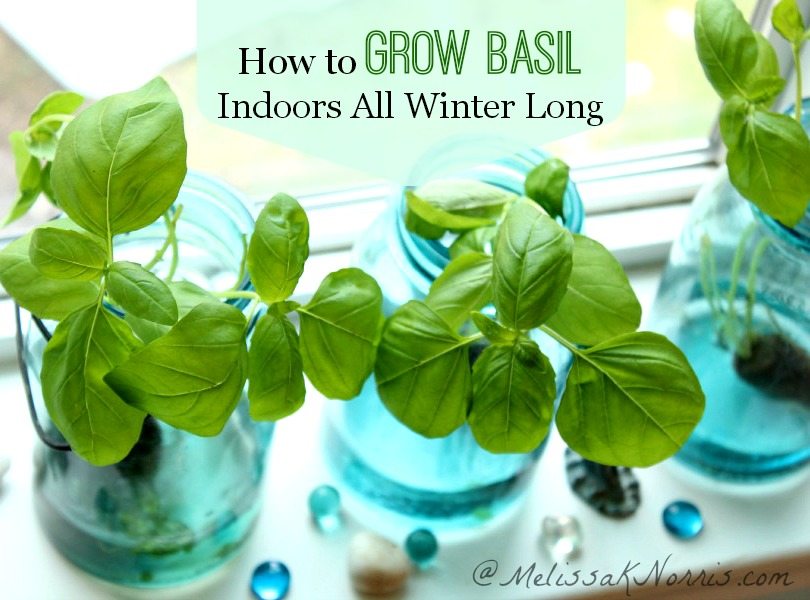
The aroma of fresh basil is simply irresistible. Imagine having that vibrant, peppery scent wafting from your own kitchen, readily available to enhance your favorite dishes. Growing your own basil in pots is not only achievable but also incredibly rewarding. Let's dive into how you can nurture these delightful plants and enjoy a constant supply of fresh basil right at your fingertips.
How to Grow Potted Basil: A Comprehensive Guide
Choosing the Right Basil Variety for Your Pot
Basil comes in an astounding array of varieties, each offering a unique flavor profile and appearance. When growing basil in pots, selecting the right type is crucial for success. Here are some popular choices:
- Sweet Basil: The most common type, perfect for Italian cuisine. Its classic flavor is what most people associate with basil.
- Genovese Basil: A specific type of Sweet Basil, known for its intense aroma and slightly spicy flavor. Often considered the best choice for pesto.
- Thai Basil: Offers a distinct anise-like flavor, ideal for Southeast Asian dishes. The leaves are usually smaller and more pointed than sweet basil.
- Lemon Basil: Infused with a refreshing citrus aroma and flavor. Great for salads and beverages.
- Purple Basil: Adds a beautiful visual element to your garden with its dark purple leaves. Its flavor is similar to sweet basil but with a slightly more pungent edge.
Consider your culinary preferences and the space you have available when making your selection. Dwarf basil varieties, like Spicy Globe Basil, are particularly well-suited for small pots and windowsills. Sweet basil can be a great choice too since it is the most common and usually the most used one in households.
Selecting the Ideal Pot and Soil
The success of your potted basil hinges on choosing the right container and growing medium. Here's what to consider:
Pot Size and Material
Basil plants need room to grow, so choose a pot that's at least 6-8 inches in diameter. Larger pots, around 12 inches, are even better, as they allow for more root development and better water retention. Material-wise, terracotta, plastic, and ceramic pots all work well.
- Terracotta Pots: Offer good drainage and aeration but can dry out quickly.
- Plastic Pots: Retain moisture better but can overheat in direct sunlight. Choose darker colors carefully to avoid heat buildup.
- Ceramic Pots: A good balance of drainage and moisture retention.
Ensure your pot has drainage holes to prevent waterlogging, which can lead to root rot. If you're using a decorative pot without drainage, consider placing a plastic pot with drainage holes inside.
Soil Requirements
Basil thrives in well-draining, fertile soil with a slightly acidic to neutral p H (around 6.0-7.5). Avoid using garden soil, as it can be too heavy and compact for containers. Instead, opt for a high-quality potting mix. You can also amend the potting mix with compost or other organic matter to improve its nutrient content and drainage.
Pro Tip: A mix of equal parts potting soil, perlite, and compost provides excellent drainage and aeration for basil plants.
Planting Your Basil Seedlings or Cuttings
You have two main options for starting your basil plants: seeds or cuttings. Both methods are relatively straightforward, but each has its own advantages.
Starting from Seeds
Growing basil from seed allows you to choose from a wider variety of cultivars and is generally more cost-effective. Start seeds indoors 6-8 weeks before the last expected frost. Sow seeds thinly in seed-starting trays or small pots filled with a seed-starting mix. Keep the soil moist and warm (around 70-75°F) until germination, which usually takes 5-10 days.
Once the seedlings have developed their first set of true leaves, transplant them into larger pots. Harden off the seedlings by gradually exposing them to outdoor conditions before transplanting them into their final containers.
Propagating from Cuttings
Propagating basil from cuttings is a faster way to get new plants and ensures that you're getting a clone of the parent plant. Take a 4-6 inch cutting from a healthy basil plant, removing the lower leaves. Place the cutting in a glass of water, ensuring that the leaves are above the waterline. Change the water every few days.
Within a week or two, roots will begin to develop. Once the roots are about an inch long, transplant the cutting into a pot filled with potting mix. Keep the soil moist and the plant in a bright location.
Caring for Your Potted Basil
Once your basil is planted, proper care is essential for its continued growth and productivity. This includes providing adequate sunlight, water, and nutrients, as well as pruning the plant to encourage bushier growth.
Sunlight Requirements
Basil loves sunlight! Aim for at least 6-8 hours of direct sunlight per day. If you're growing basil indoors, place it near a sunny window, preferably a south-facing one. You may also need to supplement with artificial light, especially during the winter months.
Watering
Basil prefers consistently moist soil but doesn't like to be waterlogged. Water thoroughly when the top inch of soil feels dry to the touch. Avoid overhead watering, as this can promote fungal diseases. Instead, water at the base of the plant.
In the heat of summer, you may need to water your basil plants daily. Check the soil moisture regularly and adjust your watering schedule accordingly. A good garden hose can be extremely useful for maintaining your plants, especially when dealing with multiple pots or a larger garden. Consider theGarden Hose 75 FT with 10-Function Nozzle, Leak-proof Metal Connector Water Hose, No Knots, Kink-Free, Lighter, Anti-Pets, Wear-Resistant, 3/4 GHT, Metal Hose for Garden, Yard, Outdoor. You can find this versatile watering solution here: https://amzn.to/3Yv E0Bo. Or maybe you might call it a 75-foot garden watering hose
Fertilizing
Basil is a heavy feeder and benefits from regular fertilization. Feed your potted basil plants every 2-4 weeks with a balanced liquid fertilizer diluted to half strength. You can also use a slow-release fertilizer at planting time.
Organic fertilizers, such as compost tea or fish emulsion, are excellent choices for basil. Avoid over-fertilizing, as this can lead to leggy growth and a decrease in flavor.
Pruning and Harvesting
Pruning is crucial for encouraging bushier growth and preventing your basil plant from flowering too early. Pinch off the top sets of leaves regularly, especially when the plant is young. This will encourage the plant to branch out and produce more leaves. You should also prune off any flower buds that appear, as flowering signals the end of the plant's productive life.
Harvest basil leaves as needed, starting with the top leaves. Regular harvesting will encourage the plant to produce more leaves throughout the growing season. When harvesting, cut the stems just above a leaf node. This will promote new growth from the node.
Troubleshooting Common Problems
Even with the best care, basil plants can sometimes encounter problems. Here are some common issues and how to address them:
- Yellowing Leaves: Can be caused by overwatering, underwatering, nutrient deficiencies, or pest infestations. Adjust your watering and fertilizing practices accordingly.
- Brown Spots: Often a sign of fungal diseases, such as basil downy mildew. Improve air circulation and avoid overhead watering. You may also need to treat the plant with a fungicide.
- Pests: Aphids, spider mites, and whiteflies can infest basil plants. Inspect your plants regularly and treat infestations with insecticidal soap or neem oil.
Enjoying Your Harvest
Now for the best part – enjoying the fruits (or rather, leaves!) of your labor! Freshly harvested basil can be used in a wide variety of dishes. Add it to salads, sauces, soups, and pestos. You can also dry or freeze basil for later use. Store fresh basil in the refrigerator, wrapped in a damp paper towel, or place the stems in a glass of water. Either method will keep it fresh for several days.
Growing your own potted basil is a simple and rewarding experience. With a little care and attention, you can enjoy a constant supply of fresh, flavorful basil right at your fingertips. So, get started today and savor the taste of homegrown goodness!