Picture this: you’re making a delicious pesto, but you're out of fresh basil! A quick trip to the grocery store solves the problem, but what if you could extend the life of that store-bought basil and create an endless supply? The good news is, with a little know-how, you absolutely can! Growing Basil From Store-Bought: A Complete Guide So, can you really grow basil from store bought bunches? Absolutely! It's a fantastic way to save money, reduce waste, and enjoy fresh basil whenever you need it. However, the success of growing basil from store bought depends on a few key factors. This article will walk you through the entire process, from selecting the right basil to harvesting your homegrown leaves. We'll cover everything you need to know to successfully propagate basil from your grocery store haul. Selecting the Right Store-Bought Basil for Propagation Not all store-bought basil is created equal when it comes to propagation. To increase your ...
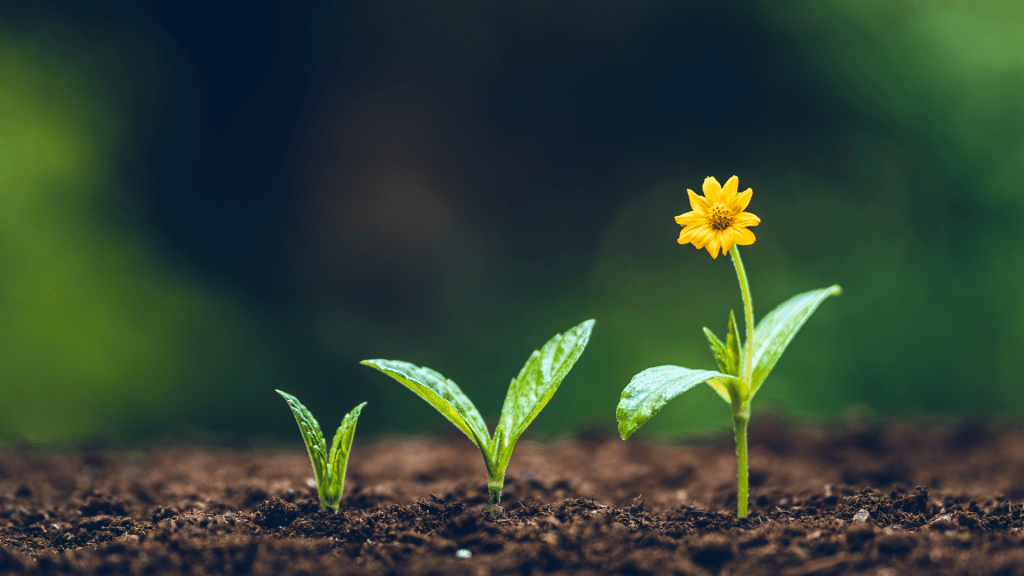
Imagine the sun-drenched aroma of fresh basil filling your kitchen, ready to be snipped and sprinkled over your favorite pasta or pizza. Growing your own basil isn't just about having fresh herbs; it's about connecting with nature and enjoying the rewarding experience of nurturing a plant from seedling to culinary delight. And the best part? You don't need to start from seed. You can easily propagate basil from an existing plant, saving time and ensuring you get a variety you already know and love. Let's dive in!
The Allure of Growing Basil From Plant
Growing basil from an established plant offers several advantages over starting from seed. Firstly, it's often faster. You bypass the germination stage, allowing you to enjoy fresh basil sooner. Secondly, you're guaranteed the same characteristics as the parent plant. If you loved the flavor and robustness of a particular basil variety, cloning it ensures you maintain those qualities. This is especially important for named varieties like 'Genovese' or 'Thai' basil, where seed-grown plants might exhibit variations.
Furthermore, propagating from cuttings is a cost-effective way to expand your basil patch. Instead of constantly buying new plants, you can simply take cuttings from your existing plant and create new ones. This is a great way to share your love of basil with friends and neighbors, too! This method of plant propagation is also very reliable, especially with a plant such as basil.
What You'll Need to Propagate Basil Successfully
Before you start snipping away, gather your essential tools and supplies. Having everything ready will streamline the process and increase your chances of success. Here's a checklist:
- A healthy basil plant: Choose a plant that's actively growing and free from pests or diseases.
- Sharp, clean scissors or pruning shears: Sterilize them with rubbing alcohol to prevent the spread of disease.
- A glass or jar filled with water: Tap water is usually fine, but you can let it sit out overnight to allow chlorine to evaporate.
- Rooting hormone (optional): While not essential, rooting hormone can accelerate root development.
- Small pots filled with well-draining potting mix: A mixture of peat moss, perlite, and vermiculite works well.
Choosing the right tools is crucial. Dull scissors can crush the stem, making it more susceptible to infection. Similarly, using unsterilized tools can introduce diseases that could harm your new basil plants. A clean workspace is also beneficial. Wipe down surfaces with disinfectant to minimize the risk of contamination.
Taking Basil Cuttings: The Step-by-Step Guide
Now for the fun part! Taking basil cuttings is a simple process, but attention to detail is key. Here's a step-by-step guide to ensure your cuttings thrive:
- Select a healthy stem: Look for a stem that's at least 4-6 inches long and has several sets of leaves.
- Make the cut: Using your sharp, clean scissors or pruning shears, cut the stem just below a node (the point where leaves emerge). This is where the roots will develop.
- Remove the lower leaves: Strip off the leaves from the bottom 1-2 inches of the stem. This will prevent them from rotting in the water.
- (Optional) Dip in rooting hormone: If using rooting hormone, dip the cut end of the stem into the powder or liquid according to the product instructions.
- Place in water: Put the cutting in a glass or jar filled with water, ensuring that the bottom node is submerged but the remaining leaves are above the water line.
- Provide bright, indirect light: Place the jar in a location that receives bright, indirect sunlight. Avoid direct sunlight, which can scorch the leaves.
- Change the water regularly: Change the water every 1-2 days to prevent bacterial growth.
It's important to note that the success rate of rooting cuttings can vary depending on environmental conditions and the health of the parent plant. Don't be discouraged if some cuttings fail to root. Simply try again with new cuttings.
From Water to Soil: Planting Your Rooted Basil Cuttings
Once your basil cuttings have developed a healthy network of roots (usually within 1-2 weeks), it's time to transplant them into soil. The roots should be at least an inch long before you plant them.
- Prepare your pots: Fill small pots with well-draining potting mix.
- Make a hole: Use your finger or a small tool to create a hole in the center of each pot.
- Gently plant the cutting: Carefully remove the cutting from the water and gently place it in the hole. Be careful not to damage the delicate roots.
- Backfill with soil: Fill the hole with soil, gently pressing down to secure the cutting.
- Water thoroughly: Water the newly planted cuttings thoroughly, allowing excess water to drain out.
- Provide consistent moisture: Keep the soil consistently moist but not waterlogged.
- Gradually acclimate to sunlight: Initially, keep the newly planted cuttings in a location with bright, indirect sunlight. Over the next few days, gradually acclimate them to more direct sunlight.
Transplanting is a critical step, and it's important to handle the delicate roots with care. Avoid overcrowding the pots, as this can lead to competition for resources and stunt growth. Consider using individual pots for each cutting to give them ample space to develop.
Caring for Your Newly Planted Basil
Once your basil cuttings are planted in soil, providing proper care is essential for their continued growth and health. Here's what you need to know:
- Sunlight: Basil thrives in full sun (at least 6-8 hours of direct sunlight per day). However, in hot climates, provide some afternoon shade to prevent leaf scorch.
- Watering: Water regularly, especially during hot weather. Allow the soil to dry out slightly between waterings to prevent root rot.
- Fertilizing: Feed your basil plants every 2-3 weeks with a balanced liquid fertilizer.
- Pinching: Pinch off the flower buds as soon as they appear to encourage bushier growth and prevent the plant from going to seed.
- Pest and disease control: Monitor your basil plants regularly for pests and diseases. Common pests include aphids, spider mites, and whiteflies. Treat infestations promptly with insecticidal soap or neem oil. Diseases such as fungal leaf spot can be prevented by providing good air circulation and avoiding overhead watering.
Consistent care is key to maximizing the yield and flavor of your basil plants. Regularly harvesting the leaves encourages new growth and prevents the plant from becoming leggy. Use sharp scissors or pruning shears to snip off leaves just above a node. Regular harvesting will allow your basil to thrive and produce even more aromatic leaves!
Troubleshooting Common Basil Growing Problems
Even with the best care, you might encounter some challenges when growing basil from cuttings. Here are some common problems and their solutions:
| Problem | Possible Cause | Solution |
|---|---|---|
| Yellowing leaves | Overwatering, underwatering, nutrient deficiency | Adjust watering schedule, fertilize with a balanced fertilizer |
| Drooping leaves | Lack of water, heat stress | Water thoroughly, provide shade during hot weather |
| Stunted growth | Insufficient sunlight, poor soil | Provide more sunlight, amend soil with compost or other organic matter |
| Pests (aphids, spider mites) | Infestation | Treat with insecticidal soap or neem oil |
| Fungal leaf spot | High humidity, poor air circulation | Improve air circulation, avoid overhead watering, treat with fungicide |
By understanding the potential problems and their solutions, you can proactively address any issues that arise and ensure the health and vitality of your basil plants. Remember, patience and observation are key to successful gardening.
Enjoying Your Homegrown Basil
Now comes the best part: harvesting and enjoying your homegrown basil! Fresh basil is a versatile herb that can be used in a wide variety of dishes. Here are just a few ideas:
- Pesto: Blend fresh basil leaves with garlic, pine nuts, Parmesan cheese, and olive oil to make a classic pesto sauce.
- Caprese salad: Combine slices of fresh mozzarella, tomatoes, and basil leaves, drizzled with balsamic glaze.
- Pasta sauce: Add chopped fresh basil to your favorite pasta sauce for a burst of flavor.
- Pizza: Sprinkle fresh basil leaves over your pizza after baking.
- Salads: Add chopped fresh basil to salads for a refreshing flavor.
- Infused oil: Infuse olive oil with fresh basil leaves for a flavorful cooking oil.
Basil is best used fresh, as drying it can diminish its flavor. To store fresh basil, wrap the leaves in a damp paper towel and place them in a plastic bag in the refrigerator. You can also freeze basil leaves in ice cube trays filled with water or olive oil.
One of the easiest ways to ensure your garden is well-watered and flourishing is by having the right tools. A reliablegarden watering hose is crucial for keeping your basil and other plants hydrated. The Garden Hose 75 FT with 10-Function Nozzle is designed to be leak-proof, kink-free, and wear-resistant, making it a perfect addition to any gardener's toolkit. You can find it here: https://amzn.to/3Yv E0Bo. This metal hose is a great addition to your garden!
Growing basil from cuttings is a rewarding and sustainable way to enjoy fresh herbs at home. With a little care and attention, you can easily propagate new basil plants from existing ones, ensuring a constant supply of this flavorful herb for your culinary creations. So, grab your scissors, gather your supplies, and get ready to experience the joy of growing your own basil!