Picture this: you’re making a delicious pesto, but you're out of fresh basil! A quick trip to the grocery store solves the problem, but what if you could extend the life of that store-bought basil and create an endless supply? The good news is, with a little know-how, you absolutely can! Growing Basil From Store-Bought: A Complete Guide So, can you really grow basil from store bought bunches? Absolutely! It's a fantastic way to save money, reduce waste, and enjoy fresh basil whenever you need it. However, the success of growing basil from store bought depends on a few key factors. This article will walk you through the entire process, from selecting the right basil to harvesting your homegrown leaves. We'll cover everything you need to know to successfully propagate basil from your grocery store haul. Selecting the Right Store-Bought Basil for Propagation Not all store-bought basil is created equal when it comes to propagation. To increase your ...
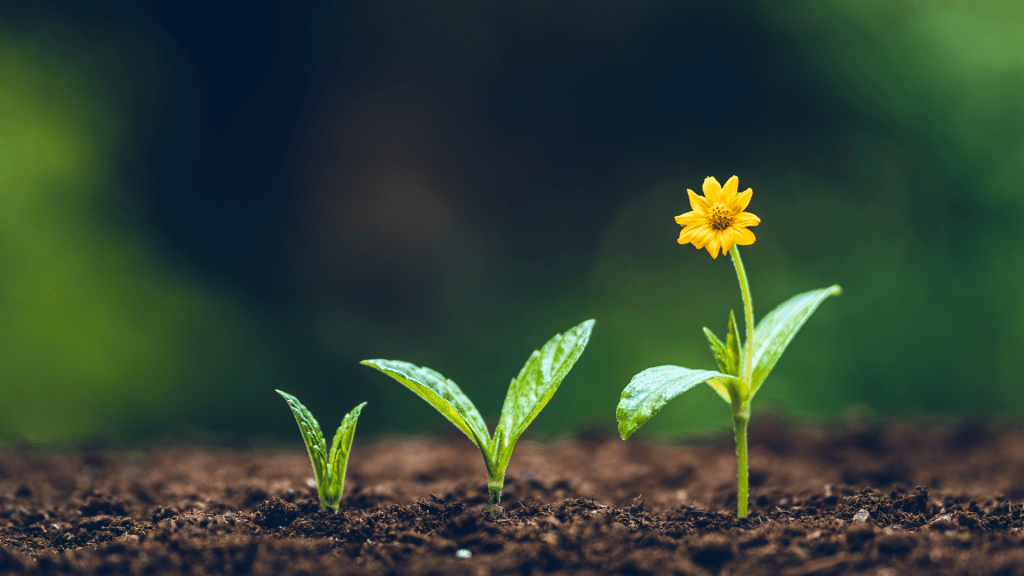
Dreaming of fresh pesto, Caprese salads bursting with flavor, and the sweet aroma of basil wafting from your garden? You might think growing basil in Minnesota, with its sometimes unpredictable weather, is a challenge. But fear not! With a little planning and these insider tips, you can absolutely cultivate a thriving basil patch right here in the land of 10,000 lakes.
Understanding Minnesota's Climate for Growing Basil
Successfully growing basil in Minnesota hinges on understanding our unique climate. We experience short growing seasons, fluctuating temperatures, and the occasional late frost. Basil, being a warm-weather annual, is sensitive to these conditions. It thrives in consistently warm temperatures, ideally between 70°F and 90°F. Therefore, timing and location are crucial for a bountiful harvest.
Knowing your specific microclimate within Minnesota is also beneficial. Areas closer to urban centers often experience slightly warmer temperatures due to the "urban heat island" effect. Conversely, rural areas may have colder nighttime temperatures and a higher risk of late spring or early fall frosts. Pay attention to your local weather forecasts and historical data to anticipate potential challenges.
Frost Dates and Starting Seeds
One of the most critical factors is knowing your average last frost date. This is the date after which the likelihood of frost significantly decreases. In Minnesota, this date typically falls between late April and late May, depending on your region. Planting basil outdoors before this date can be disastrous. The cold can stunt its growth or even kill it.
To get a head start, consider starting your basil seeds indoors 6-8 weeks before the average last frost date. Use a seed-starting mix and provide ample light, either through a sunny window or grow lights. Keep the soil consistently moist but not waterlogged. Once the seedlings have developed a few sets of true leaves and the risk of frost has passed, you can transplant them outdoors.
Alternatively, you can purchase basil seedlings from a local garden center. This option saves time and effort but may limit your cultivar choices. When selecting seedlings, choose healthy plants with vibrant green leaves and no signs of pests or diseases.
Choosing the Right Basil Variety for Minnesota
Not all basil varieties are created equal, especially when it comes to tolerating cooler temperatures. While sweet basil (Ocimum basilicum) is the most common type, consider exploring other varieties that may be better suited for Minnesota's climate. Some options to consider are:
- Genovese Basil: This is the classic Italian basil known for its strong flavor and is great for pesto. It is a reliable choice if protected from sudden cold snaps.
- Lemon Basil: This variety has a citrusy aroma and flavor, adding a unique twist to dishes. It tends to be slightly more tolerant of cooler temperatures than some other basils.
- Thai Basil: Characterized by its anise-like flavor, Thai basil is a staple in Southeast Asian cuisine. It can tolerate slightly cooler conditions and is relatively pest-resistant.
- Purple Basil: A beautiful ornamental and culinary basil with deep purple leaves. It adds visual interest to your garden and can be used in salads and other dishes.
Experimenting with different varieties allows you to discover which ones thrive best in your specific microclimate and satisfy your culinary preferences.
Optimal Growing Conditions for Minnesota Basil
Basil needs specific conditions to thrive. These conditions are essential for getting the most of your basil growing in Minnesota.
Sunlight and Soil
Basil craves sunlight. Aim for at least 6-8 hours of direct sunlight per day. Choose a location in your garden that receives full sun exposure. If growing basil in containers, place them in a sunny spot on your patio or balcony.
Well-draining soil is also crucial. Basil doesn't like to sit in soggy soil, which can lead to root rot. Amend your soil with compost or other organic matter to improve drainage and fertility. A slightly acidic to neutral p H (around 6.0-7.5) is ideal.
Watering and Fertilizing
Consistent watering is essential, especially during hot, dry periods. Water deeply when the top inch of soil feels dry to the touch. Avoid overhead watering, as this can promote fungal diseases. Instead, water at the base of the plant.
Basil is a relatively heavy feeder. Fertilize regularly with a balanced organic fertilizer. Alternatively, you can use compost tea or fish emulsion. Avoid over-fertilizing, which can lead to excessive foliage growth at the expense of flavor.
Protecting Basil from Minnesota's Challenges
Minnesota's weather can be unpredictable. The ability to protect the basil from extreme conditions in Minnesota can be crucial for its survival. Here are some tips:
Dealing with Temperature Fluctuations
Even after the last frost date, unexpected cold snaps can occur. Be prepared to protect your basil plants with row covers, blankets, or cloches. These coverings provide insulation and can help retain heat.
If you're growing basil in containers, you can easily move them indoors or to a sheltered location during cold weather. A garage, porch, or even a sunny windowsill can provide sufficient protection.
Mulching around your basil plants can also help insulate the soil and retain moisture. Use organic mulches such as straw, wood chips, or shredded leaves.
Pest and Disease Control
Basil is generally resistant to pests and diseases, but occasional problems can arise. Common pests include aphids, spider mites, and Japanese beetles. Inspect your plants regularly and take action promptly if you notice any signs of infestation.
Aphids can be controlled with a strong spray of water or by introducing beneficial insects such as ladybugs. Spider mites can be treated with insecticidal soap. Japanese beetles can be handpicked or trapped.
Fungal diseases such as downy mildew and fusarium wilt can also affect basil. To prevent these diseases, ensure good air circulation around your plants and avoid overhead watering. If you notice any signs of disease, remove the affected leaves or plants immediately.
Harvesting and Using Your Minnesota-Grown Basil
Regular harvesting encourages bushier growth and prevents your basil from flowering, which can diminish its flavor. Start harvesting when the plants are about 6-8 inches tall.
Pinch off the top sets of leaves just above a leaf node. This will encourage the plant to branch out and produce more leaves. Harvest frequently throughout the growing season to maximize your yield.
Basil is best used fresh. However, you can also preserve it by drying, freezing, or making pesto. Dried basil has a less intense flavor than fresh basil, but it can still be used in soups, stews, and sauces. Frozen basil can be used in smoothies, sauces, and soups. Pesto is a delicious way to preserve a large basil harvest.
Conclusion: Enjoying Fresh Basil in Minnesota
Growing basil in Minnesota may require a little extra care and attention, but the rewards are well worth the effort. With the right techniques and a bit of patience, you can enjoy a bountiful harvest of fresh, flavorful basil all season long. The smell of fresh basil is one of the highlights of summer, and there's nothing quite like adding homegrown basil to your favorite recipes. It's a true testament to the fact that even in a northern climate like Minnesota, you can cultivate a thriving garden and enjoy the delicious flavors of summer.
To keep your basil thriving, consider investing in a reliable watering system. A good option is a75 FT Garden Hose with a 10-Function Nozzle, featuring a leak-proof metal connector, anti-kink design, and wear-resistant construction. It’s perfect for reaching all corners of your garden and ensuring your basil gets the water it needs. You can find it here:https://amzn.to/3Yv E0Bo.