Picture this: you’re making a delicious pesto, but you're out of fresh basil! A quick trip to the grocery store solves the problem, but what if you could extend the life of that store-bought basil and create an endless supply? The good news is, with a little know-how, you absolutely can! Growing Basil From Store-Bought: A Complete Guide So, can you really grow basil from store bought bunches? Absolutely! It's a fantastic way to save money, reduce waste, and enjoy fresh basil whenever you need it. However, the success of growing basil from store bought depends on a few key factors. This article will walk you through the entire process, from selecting the right basil to harvesting your homegrown leaves. We'll cover everything you need to know to successfully propagate basil from your grocery store haul. Selecting the Right Store-Bought Basil for Propagation Not all store-bought basil is created equal when it comes to propagation. To increase your ...
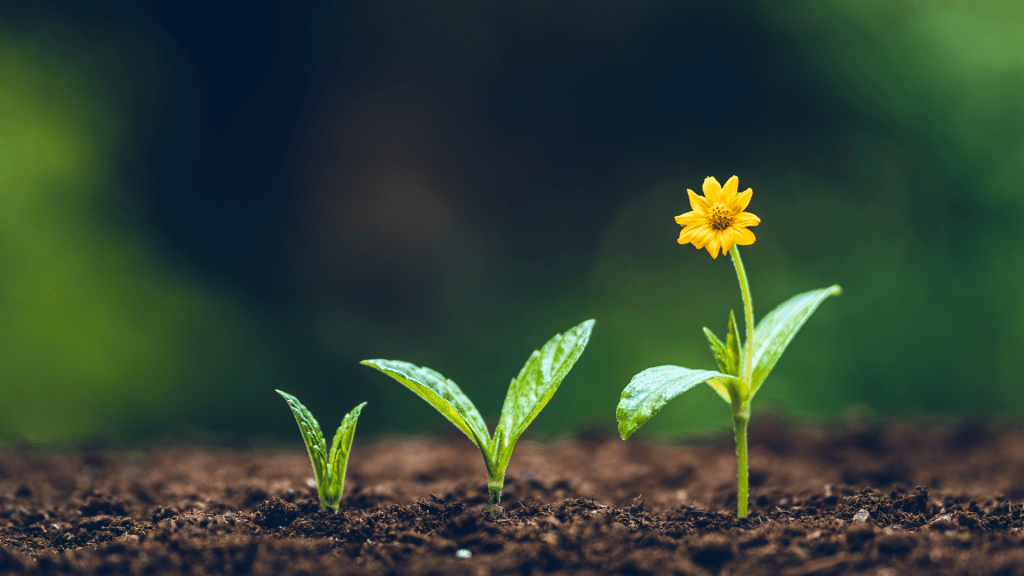
Imagine stepping into your kitchen and snipping fresh, fragrant basil and cilantro right from your windowsill to add that perfect finishing touch to your meal. Sounds idyllic, right? Well, it's easier than you think! Growing your own herbs is a rewarding experience that brings a touch of nature indoors and enhances your culinary creations. Let's dive into the simple steps to cultivate these beloved herbs successfully.
How to Grow Basil and Cilantro: A Complete Guide
Basil and cilantro are two of the most popular and versatile herbs used in cuisines around the world. They're relatively easy to grow, even for beginners, and the taste of homegrown herbs far surpasses anything you can buy in the store. In this guide, we'll cover everything you need to know abouthow to grow basil and cilantro, from selecting the right varieties to troubleshooting common problems.
Understanding Basil and Cilantro
Before we get into the nitty-gritty of planting, let's understand these herbs a bit better.
Basil: The Queen of Herbs
Basil (Ocimum basilicum) is a tender, fragrant herb that's native to tropical regions from central Africa to Southeast Asia. It's a member of the mint family and comes in various varieties, each with its own unique flavor profile. Some popular types include:
- Sweet Basil: The most common type, used in pesto, pasta sauces, and salads.
- Thai Basil: Has a slightly anise-like flavor, perfect for Asian dishes.
- Lemon Basil: Offers a citrusy aroma and taste, great for teas and desserts.
- Purple Basil: Adds a beautiful color and a slightly different flavor dimension.
Basil thrives in warm weather and requires plenty of sunlight. It's sensitive to frost, so it's best to start seeds indoors or wait until after the last frost to plant it outdoors.
Fun fact: Basil is believed to have originated in India, where it was considered a sacred herb.
Cilantro: The Divisive Herb
Cilantro (Coriandrum sativum), also known as coriander, is an annual herb that's native to the Mediterranean region. Its leaves are widely used in Mexican, Asian, and Middle Eastern cuisines. However, cilantro is famously known for the genetic trait that either makes it taste delicious or soapy. If you're someone who enjoys it, you are lucky! The entire plant is edible, including the roots, stems, leaves, and seeds (which are known as coriander seeds).
Cilantro prefers cooler weather and partial shade. It has a tendency to bolt (go to seed) in hot weather, which can make the leaves bitter. Unlike Basil, cilantro is more suited to be grown during fall and winter seasons. Here are some tips to help prevent bolting:
- Plant it in a partially shaded location.
- Provide consistent moisture.
- Choose bolt-resistant varieties.
Growing both basil and cilantro can be a simple garden experiment. A good rule of thumb is to stagger your cilantro plantings every few weeks to ensure a continuous supply.
Choosing the Right Varieties
Selecting the right varieties of basil and cilantro is crucial for successful growth. Consider your culinary preferences and the climate in your area when making your choices.
Basil Varieties: Finding Your Perfect Match
As mentioned earlier, there's a basil variety for every taste. Whengrowing basil, start by considering the dishes you plan to make. Do you love pesto? Sweet basil is a must-have. Are you a fan of Thai cuisine? Thai basil is the way to go. You might even consider growing multiple varieties to add complexity to your dishes.
Here's a small chart to help you choose basil varieties based on intended use:
| Basil Variety | Flavor Profile | Best Used For |
|---|---|---|
| --------------- | ------------------------ | --------------------------- |
| Sweet Basil | Classic, slightly sweet | Pesto, sauces, salads |
| Thai Basil | Anise-like | Stir-fries, curries |
| Lemon Basil | Citrusy | Teas, desserts, salads |
| Purple Basil | Slightly spicy | Salads, garnishes |
Cilantro Varieties: Bolting Resistance Matters
When it comes to cilantro, look for varieties that are slow to bolt. These varieties are more tolerant of warm weather and will provide a longer harvest. Some popular bolt-resistant cilantro varieties include:
- Slow Bolt: As the name suggests, this variety is known for its resistance to bolting.
- Santo: A widely popular variety that's also relatively slow to bolt.
- Calypso: Another good choice for warm climates.
Choosing the right variety will greatly improve your chances ofgrowing cilantro successfully.
How to Plant Basil and Cilantro
Now that you've chosen your varieties, it's time to get planting!
Starting Seeds Indoors (Recommended for Basil)
Starting seeds indoors gives you a head start, especially for basil, which requires warm weather. Here's how to do it:
- Choose your containers: Use seed trays, small pots, or even recycled containers.
- Use a seed-starting mix: This soil is specifically formulated for seedlings and provides the right nutrients and drainage.
- Sow the seeds: Sprinkle the seeds evenly over the soil surface and gently press them in.
- Water gently: Use a spray bottle to moisten the soil without disturbing the seeds.
- Provide warmth and light: Place the containers in a warm location (around 70-75°F) and provide plenty of light. A grow light or a sunny windowsill will work.
- Keep the soil moist: Don't let the soil dry out, but avoid overwatering.
- Transplant seedlings: Once the seedlings have developed a few sets of true leaves, they can be transplanted into larger pots or directly into the garden.
Direct Sowing (Suitable for Cilantro)
Cilantro can be directly sown into the garden, especially in cooler climates. Here's how:
- Prepare the soil: Choose a location with well-drained soil and partial shade. Amend the soil with compost or other organic matter.
- Sow the seeds: Sow the seeds about 1/4 inch deep and 1 inch apart.
- Water gently: Keep the soil moist until the seeds germinate.
- Thin the seedlings: Once the seedlings emerge, thin them to about 6-8 inches apart.
Remember to space the cilantro plants properly. The spacing will help promote air circulation and prevent overcrowding.
Caring for Your Basil and Cilantro Plants
Proper care is essential for healthy, productive basil and cilantro plants.
Sunlight, Water, and Soil
Here's a breakdown of the ideal conditions:
- Sunlight: Basil needs at least 6-8 hours of sunlight per day. Cilantro prefers partial shade, especially in hot weather.
- Water: Both basil and cilantro need consistent moisture. Water deeply when the top inch of soil feels dry. Avoid overwatering, which can lead to root rot.
- Soil: Use well-drained soil that's rich in organic matter. A slightly acidic to neutral p H (6.0-7.0) is ideal.
Fertilizing
Basil and cilantro are not heavy feeders, but they will benefit from occasional fertilization. Use a balanced liquid fertilizer diluted to half strength every 2-3 weeks. Avoid over-fertilizing, which can result in leggy growth and reduced flavor.
Pruning and Harvesting
Pruning and harvesting are essential for encouraging bushy growth and preventing bolting.
- Basil: Pinch off the top sets of leaves regularly to encourage side growth. Remove any flower buds as soon as they appear to prevent the plant from going to seed. Harvest leaves as needed throughout the growing season.
- Cilantro: Harvest leaves as needed, starting from the outer edges of the plant. To delay bolting, pinch off any flower stalks that appear. Once the plant bolts, you can still harvest the seeds (coriander seeds).
Regularly pruning both the basil and cilantro will help encourage plant productivity.
Troubleshooting Common Problems
Even with the best care, you may encounter some problems whilegrowing basil and cilantro. Here are some common issues and how to address them:
Pests
Aphids, spider mites, and whiteflies can sometimes attack basil and cilantro plants. Here are some solutions:
- Insecticidal soap: This is a safe and effective way to control many common pests.
- Neem oil: A natural insecticide that can be used to treat a variety of pests.
- Handpicking: Remove pests by hand and drop them into a bucket of soapy water.
Diseases
Fungal diseases, such as powdery mildew and downy mildew, can affect basil and cilantro plants, especially in humid conditions. Here's how to prevent and treat them:
- Provide good air circulation: Space plants properly to allow for good airflow.
- Avoid overhead watering: Water at the base of the plants to prevent the leaves from getting wet.
- Fungicides: Use a fungicide specifically labeled for use on herbs if necessary.
Bolting
Bolting is a common problem with cilantro, especially in hot weather. To prevent bolting:
- Plant bolt-resistant varieties.
- Provide partial shade.
- Water consistently.
- Harvest leaves regularly.
Enjoying Your Homegrown Herbs
Once you've harvested your fresh basil and cilantro, it's time to enjoy them! Use them in your favorite recipes, or try some of these ideas:
- Basil: Pesto, caprese salad, pasta sauces, pizza toppings, infused oil.
- Cilantro: Salsa, guacamole, tacos, stir-fries, soups, salads.
Fresh herbs add a burst of flavor to any dish. You can also dry or freeze your herbs for later use. Spread herbs to dry on parchment paper for a few days in a cool, dark place. Once dried, herbs can be stored in airtight containers.
Growing your own basil and cilantro is a simple and rewarding way to add fresh flavor to your cooking. With a little care and attention, you can enjoy a bountiful harvest of these versatile herbs all season long. Happy gardening!
Maintaining a healthy garden is easier with the right tools. Consider the convenience of a lightweight and durable option for watering your herbs and plants with ease. A flexible garden hose, like aGarden Hose 75 FT with 10-Function Nozzle, can be a real game-changer, offering leak-proof metal connectors, kink-free design, and wear-resistance for all your gardening needs. You can find this helpful gardening tool here:https://amzn.to/3Yv E0Bo.