Picture this: you’re making a delicious pesto, but you're out of fresh basil! A quick trip to the grocery store solves the problem, but what if you could extend the life of that store-bought basil and create an endless supply? The good news is, with a little know-how, you absolutely can! Growing Basil From Store-Bought: A Complete Guide So, can you really grow basil from store bought bunches? Absolutely! It's a fantastic way to save money, reduce waste, and enjoy fresh basil whenever you need it. However, the success of growing basil from store bought depends on a few key factors. This article will walk you through the entire process, from selecting the right basil to harvesting your homegrown leaves. We'll cover everything you need to know to successfully propagate basil from your grocery store haul. Selecting the Right Store-Bought Basil for Propagation Not all store-bought basil is created equal when it comes to propagation. To increase your ...
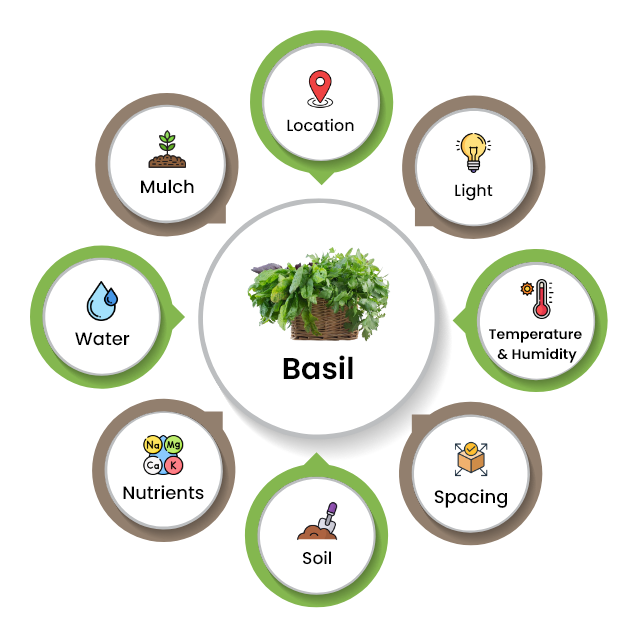
Picture this: a warm summer breeze, the aroma of fresh tomatoes wafting from your garden, and the star of the show – vibrant, fragrant basil leaves ready to be plucked and transformed into pesto, salads, or a flavorful addition to your favorite dishes. Growing your own basil is easier than you might think, and the rewards are well worth the effort. Let's dive into the wonderful world of basil cultivation!
The Ultimate Guide: How To Grow Basil Like a Pro
Choosing the Right Basil Variety for Your Garden
Before you even think about planting, consider the vast world of basil varieties! Each offers a unique flavor profile, appearance, and even growing habits. Selecting the right one for your culinary needs and garden conditions is the first step to a successful harvest.
Popular Basil Varieties
- Sweet Basil: The most common type, known for its classic basil flavor. It's perfect for Italian dishes, pesto, and general culinary use.
- Genovese Basil: A type of sweet basil with slightly larger, cupped leaves and a more intense aroma. Often considered the best basil for pesto.
- Thai Basil: Offers a licorice-like, slightly spicy flavor, ideal for Southeast Asian cuisine. It features sturdy purple stems and pointed leaves.
- Lemon Basil: Boasts a bright, citrusy flavor and aroma, complementing fish, chicken, and salads.
- Purple Basil: Not only adds a beautiful visual element with its deep purple leaves, but also imparts a slightly spicy and clove-like flavor.
Beyond these, you'll find other interesting varieties like Cinnamon Basil, Globe Basil (perfect for containers), and African Blue Basil. Experiment and find the ones that excite your taste buds!
Consider Your Climate and Space
Some basil varieties are more tolerant of cooler temperatures or specific light conditions. If you're growing in containers, smaller varieties like Globe Basil are ideal. Consider your available space and the typical weather in your region when making your selection. Look for seed packets or plant labels that provide information about the basil's preferred growing conditions.
Starting Basil from Seed vs. Buying Transplants
You have two primary options for starting your basil journey: growing from seed or purchasing established transplants from a garden center. Both have their advantages and disadvantages.
Starting from Seed
Starting basil from seed is an economical option, giving you more control over the entire growing process. You'll need to start seeds indoors about 6-8 weeks before the last expected frost in your area. Basil seeds are small, so sow them thinly in seed trays or small pots filled with a seed-starting mix. Keep the soil consistently moist and provide warmth (around 70-75°F) for optimal germination. A heat mat can be helpful.
Once the seedlings have developed a few sets of true leaves (the first leaves that appear are called cotyledons; true leaves are the ones that follow and resemble miniature basil leaves), you can transplant them into larger pots. Harden them off gradually by exposing them to outdoor conditions for increasing periods each day before transplanting them into your garden.
Buying Transplants
Purchasing basil transplants from a reputable garden center is a convenient option, especially if you're short on time or don't have the ideal conditions for starting seeds indoors. Choose plants that are healthy, compact, and free from pests or diseases. Avoid plants that are root-bound (roots circling tightly around the inside of the pot). Gently loosen the roots before planting them in your garden to encourage them to spread and establish quickly.
Before you rush out to buy some basil, ensure you have the proper equipment. For getting water to your plants, consider a reliablegarden hose. A 75-foot version with a 10-function nozzle, a leak-proof metal connector, and kink-free design would be ideal for easily reaching all your basil plants and other garden beds. This wear-resistant metal hose offers a lighter, anti-pet solution that connects with a standard 3/4 GHT. Check it out here:https://amzn.to/3Yv E0Bo.
Planting Basil: Site Selection, Soil Preparation, and Spacing
Basil thrives in warm, sunny locations with well-drained soil. Proper site selection, soil preparation, and spacing are crucial for healthy growth and abundant harvests.
Choosing the Right Location
Basil needs at least 6-8 hours of direct sunlight per day. Choose a location in your garden that receives ample sunlight, ideally in the morning to avoid scorching in the afternoon heat. Basil is sensitive to frost, so avoid planting it too early in the spring. Wait until the danger of frost has passed and the soil has warmed up.
Preparing the Soil
Basil prefers well-drained, fertile soil with a slightly acidic to neutral p H (around 6.0-7.5). Before planting, amend the soil with compost or other organic matter to improve drainage, fertility, and water retention. Loosen the soil to a depth of at least 12 inches to allow for good root development. Remove any rocks, weeds, or debris.
Proper Spacing
Space basil plants 12-18 inches apart to allow for adequate airflow and sunlight penetration. Overcrowding can lead to disease problems. For container gardening, choose pots that are at least 12 inches in diameter. You can plant several basil plants in a larger container, but be sure to provide enough space for each plant to thrive.
Watering, Fertilizing, and Pruning Basil for Optimal Growth
Proper watering, fertilizing, and pruning are essential for maintaining healthy basil plants and maximizing your harvests. Regular attention to these aspects will ensure your basil thrives throughout the growing season.
Watering Techniques
Basil needs consistent moisture, especially during hot weather. Water deeply whenever the top inch of soil feels dry to the touch. Avoid overhead watering, as this can lead to fungal diseases. Instead, water at the base of the plant using a soaker hose or watering can. In containers, water more frequently, as the soil tends to dry out faster.
Fertilizing Tips
Basil is a relatively light feeder. A side dressing of compost or a diluted liquid fertilizer every few weeks can provide the nutrients it needs to thrive. Avoid over-fertilizing, as this can result in leggy growth and reduced flavor. Look for fertilizers specifically formulated for herbs or vegetables.
Pruning for Bushier Growth and Increased Yields
Pruning is crucial for encouraging bushy growth and preventing basil from flowering prematurely. When basil flowers, it tends to produce fewer leaves and the flavor can become bitter. Pinch off the flower buds as soon as they appear. Regularly trim the stems just above a set of leaves to encourage new growth. Don't be afraid to harvest generously! The more you harvest, the more the plant will produce.
Pest and Disease Control for Healthy Basil Plants
Basil is generally resistant to pests and diseases, but it can be susceptible to certain problems, especially in humid conditions. Understanding common issues and implementing preventative measures can help keep your basil plants healthy.
Common Pests
- Aphids: Small, sap-sucking insects that can weaken plants. Control them with a strong spray of water or insecticidal soap.
- Spider Mites: Tiny pests that create fine webs on leaves. Increase humidity around the plants and use insecticidal soap if needed.
- Slugs and Snails: These pests can damage leaves, especially on young plants. Use slug bait or handpick them from the plants at night.
Common Diseases
- Downy Mildew: A fungal disease that causes yellow spots on leaves, eventually turning brown. Improve airflow around the plants and avoid overhead watering. Use a copper-based fungicide if necessary.
- Fusarium Wilt: A soil-borne fungal disease that causes wilting and death of plants. Use disease-resistant varieties and avoid planting basil in contaminated soil.
Preventative Measures
Maintaining good garden hygiene is crucial for preventing pest and disease problems. Remove weeds and debris from around the plants. Ensure good airflow by spacing plants properly. Avoid overwatering and provide adequate sunlight. Regularly inspect your plants for signs of pests or diseases and take action promptly.
Harvesting and Storing Basil for Long-Lasting Flavor
Harvesting basil at the right time and storing it properly will help preserve its flavor and aroma. Learn the best techniques for enjoying fresh basil throughout the growing season and beyond.
When to Harvest
You can begin harvesting basil leaves as soon as the plant has reached a height of 6-8 inches. Harvest in the morning after the dew has dried, when the essential oils are most concentrated. Pinch off or cut stems just above a set of leaves. Avoid harvesting more than one-third of the plant at a time to allow it to continue growing.
How to Store Fresh Basil
- Countertop: Place stems in a glass of water, like cut flowers. Cover the leaves loosely with a plastic bag and change the water every day. This method can keep basil fresh for several days.
- Refrigerator: Wrap basil leaves in a slightly damp paper towel and store them in a plastic bag in the refrigerator. This method can keep basil fresh for up to a week, but the leaves may darken slightly.
Preserving Basil for Later Use
- Freezing: Blanch basil leaves briefly in boiling water, then plunge them into ice water. Drain and chop them finely. Pack the chopped basil into ice cube trays, cover with water or olive oil, and freeze. Once frozen, transfer the cubes to a freezer bag.
- Drying: Dry basil leaves in a dehydrator or oven on a low setting. Once dry, store them in an airtight container in a cool, dark place. Dried basil has a less intense flavor than fresh basil, but it's still useful for adding to soups, stews, and sauces.
- Making Pesto: Preserve basil by making pesto! Pesto can be stored in the refrigerator for a few days or frozen for longer-term storage.
Growing your own basil is a rewarding experience that will enhance your culinary creations and bring joy to your garden. With a little care and attention, you can enjoy fresh, fragrant basil all season long. Happy gardening!