Picture this: you’re making a delicious pesto, but you're out of fresh basil! A quick trip to the grocery store solves the problem, but what if you could extend the life of that store-bought basil and create an endless supply? The good news is, with a little know-how, you absolutely can! Growing Basil From Store-Bought: A Complete Guide So, can you really grow basil from store bought bunches? Absolutely! It's a fantastic way to save money, reduce waste, and enjoy fresh basil whenever you need it. However, the success of growing basil from store bought depends on a few key factors. This article will walk you through the entire process, from selecting the right basil to harvesting your homegrown leaves. We'll cover everything you need to know to successfully propagate basil from your grocery store haul. Selecting the Right Store-Bought Basil for Propagation Not all store-bought basil is created equal when it comes to propagation. To increase your ...
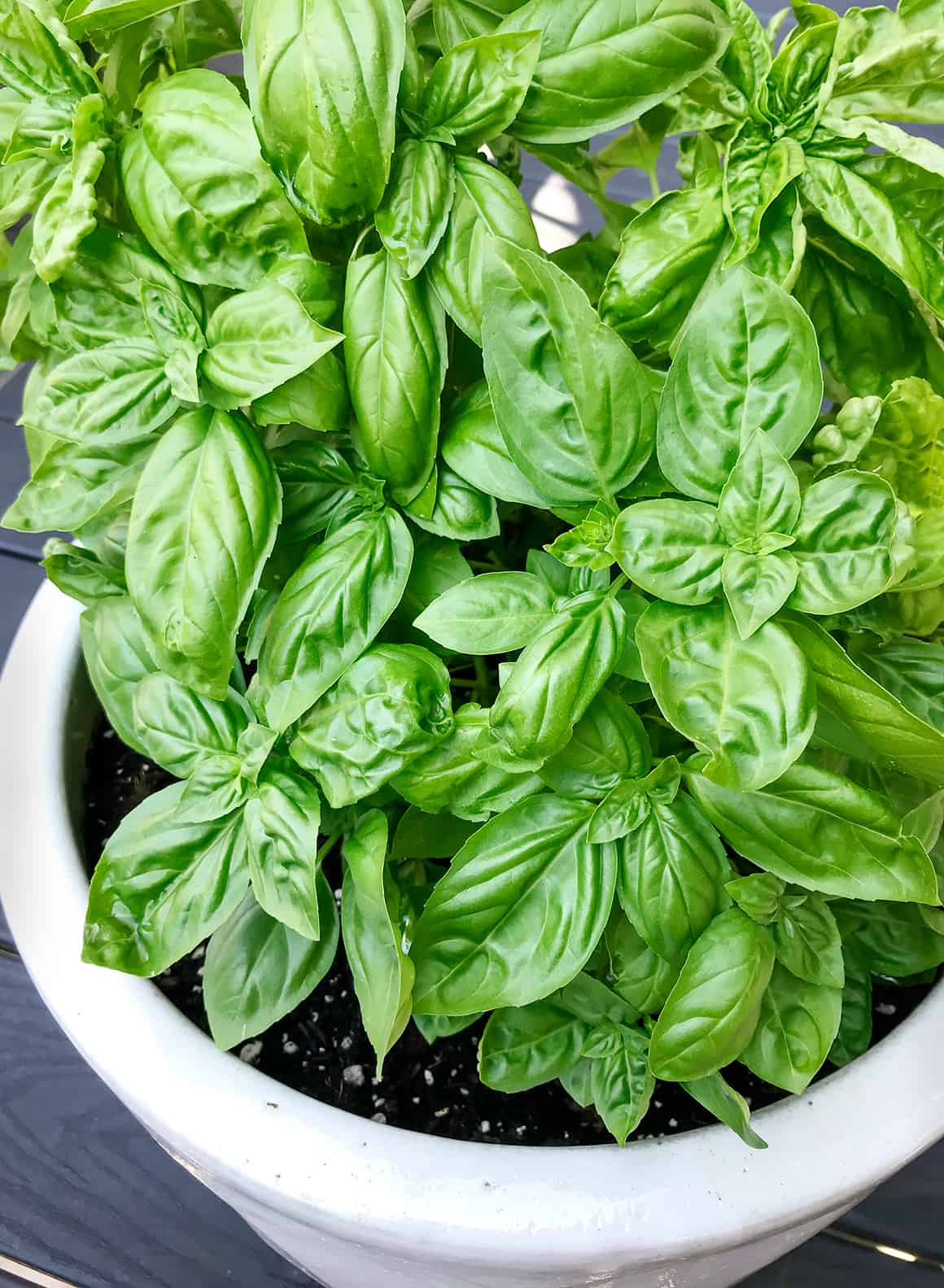
Imagine strolling through a sun-drenched meadow and catching a whiff of that unmistakable, fragrant aroma. Could it be? Could you stumble upon wild basil, thriving far from the neatly organized rows of a garden? The question of whether basil grows naturally in the wild is an interesting one, and the answer is more nuanced than you might think. Let's delve into the fascinating world of basil and its potential for wild growth.
Is Wild Basil a Common Sight?
The short answer is: generally, no. Basil, particularly the sweet basil (Ocimum basilicum) we commonly find in grocery stores and use in Italian cuisine, isnot typically found growing wild in most temperate regions. Basil is native to tropical regions of Central Africa and Southeast Asia, where the climate provides the consistently warm temperatures and abundant sunlight it needs to thrive. The conditions necessary for basil to grow naturally in the wild don’t exist in many parts of the world.
However, the story doesn’t end there. While Ocimum basilicumitself is unlikely to pop up unexpectedly in your backyard if you live in a colder climate, other basil species or escaped cultivated basil can sometimes be found growing outside of gardens.
Factors Influencing Basil Growth in the Wild
Several factors play a significant role in determining whether basil can establish itself in a wild environment:
- Climate: Basil is a heat-loving plant. It requires consistent warmth (ideally between 70°F and 85°F) and is highly susceptible to frost. This limits its ability to survive in areas with cold winters.
- Sunlight: Basil needs at least 6-8 hours of direct sunlight per day to thrive. Shady environments will hinder its growth.
- Soil: Basil prefers well-drained soil that is rich in organic matter. Poor soil quality can prevent its establishment.
- Water: Consistent moisture is essential, but basil is also susceptible to root rot if the soil is waterlogged.
- Competition: In a wild environment, basil would have to compete with other plants for resources like sunlight, water, and nutrients. This competition can make it difficult for it to establish itself.
- Seed dispersal: For basil to grow in the wild, its seeds need to be dispersed somehow. This can happen through wind, animals, or human activity.
The Role of Climate Change
It's worth noting that as climate change continues, the areas suitable for basil growth may expand. Warmer temperatures and longer growing seasons could potentially allow basil to naturalize in regions where it previously couldn't survive. However, this is still a developing situation and shouldn't be assumed.
Where Might You Find Basil Growing Outside Gardens?
While true "wild basil" is rare, you might encounter basil in a few specific situations:
- Escapees from gardens: In areas with mild winters, basil plants may self-seed and persist year after year, even if they aren't actively cultivated. You might find them growing near gardens, compost piles, or areas where people have previously grown basil.
- Disturbed areas: Basil may sometimes pop up in disturbed areas, such as construction sites or recently cleared land, where the soil is loose and there is less competition from other plants.
- Specific microclimates: Certain microclimates, such as south-facing slopes or sheltered areas, may provide the warmth and sunlight that basil needs to survive, even in cooler regions.
- Near waterways: Waterways may provide moisture and aid in seed dispersal, potentially leading to basil growth in riparian zones.
Types of Basil That May Be More Likely to Grow Outside Cultivation
While Ocimum basilicumis less likely to grow freely, other basil varieties and related species may have a higher chance of thriving outside controlled environments. Some of these include:
- Holy Basil (Tulsi): This type of basil is known for its hardiness and adaptability. It's frequently found growing in many regions outside of cultivation.
- Lemon Basil: Lemon Basil might be more resilient in certain environments.
- African Blue Basil: African Blue Basil is known for its vigor and tolerance for different growing conditions.
Distinguishing Wild Basil from Similar Plants
If you think you've found wild basil, it's important to be able to distinguish it from similar-looking plants. Here are some key characteristics to look for:
- Scent: Basil has a distinctive, fragrant aroma. Rub a leaf between your fingers and smell it. If it smells like basil, that's a good sign.
- Leaves: Basil leaves are typically oval-shaped and smooth, with a slightly serrated edge. They are usually bright green, but some varieties have purple or reddish leaves.
- Stems: Basil stems are square-shaped, which is a characteristic of the mint family (Lamiaceae), to which basil belongs.
- Flowers: Basil produces small, tubular flowers that are typically white or purple.
Consider using a field guide or plant identification app to confirm your identification. It's always better to be safe than sorry, especially if you're planning on consuming the plant.
Case Study: Basil Naturalization in Southern Italy
In some areas of Southern Italy, where the climate is warm and sunny, basil has been observed to naturalize in certain areas. According to local gardeners and farmers, basil plants that have self-seeded from previous crops can sometimes persist year after year, creating small patches of "wild" basil along roadsides and in abandoned fields. This phenomenon is more common in areas with well-drained soil and plenty of sunlight.
Can You Encourage Basil to Grow Wild?
While it's unlikely you can create a thriving "wild basil" patch in a non-tropical climate, you can take steps to encourage basil to self-seed and naturalize in your garden or yard:
- Allow some plants to flower: Basil plants will produce seeds after they flower. Allow some of your basil plants to flower at the end of the growing season to encourage seed production.
- Don't deadhead all the flowers: Deadheading (removing spent flowers) encourages the plant to produce more leaves, but it also prevents seed formation. Leave some flowers on the plant to develop into seeds.
- Scatter seeds: Once the flowers have dried and the seeds have matured, you can collect them and scatter them in areas where you'd like basil to grow.
- Provide suitable conditions: Choose a sunny spot with well-drained soil. Water regularly, especially during dry periods.
Even if you're not successful in creating a true "wild basil" patch, you may be able to establish a self-sustaining population of basil plants that will provide you with a continuous supply of fresh herbs.
To ensure your garden, whether you're cultivating basil or any other plant, has the water it needs, consider getting a75 FT Garden Hose with a 10-Function Nozzle. This Water Hoseboasts leak-proof metal connectors, is kink-free, lighter, anti-pet, and wear-resistant, making it the perfect addition to your garden toolkit. It's a 3/4 GHT metal hose ideal for your garden, yard, or any outdoor needs. Check it out here:https://amzn.to/3Yv E0Ba
Conclusion
The prospect of finding wild basil growing freely in the landscape is appealing, but the reality is that true "wild basil," especially the common sweet basil, is rare outside of its native tropical regions. However, by understanding the factors that influence basil growth and taking steps to encourage self-seeding, you may be able to create a semi-wild patch of basil in your garden or yard. While a truly wild patch of basil may be a distant dream, a little effort can bring you closer to enjoying the fragrant herb without needing to start from scratch each year.