Picture this: you’re making a delicious pesto, but you're out of fresh basil! A quick trip to the grocery store solves the problem, but what if you could extend the life of that store-bought basil and create an endless supply? The good news is, with a little know-how, you absolutely can! Growing Basil From Store-Bought: A Complete Guide So, can you really grow basil from store bought bunches? Absolutely! It's a fantastic way to save money, reduce waste, and enjoy fresh basil whenever you need it. However, the success of growing basil from store bought depends on a few key factors. This article will walk you through the entire process, from selecting the right basil to harvesting your homegrown leaves. We'll cover everything you need to know to successfully propagate basil from your grocery store haul. Selecting the Right Store-Bought Basil for Propagation Not all store-bought basil is created equal when it comes to propagation. To increase your ...
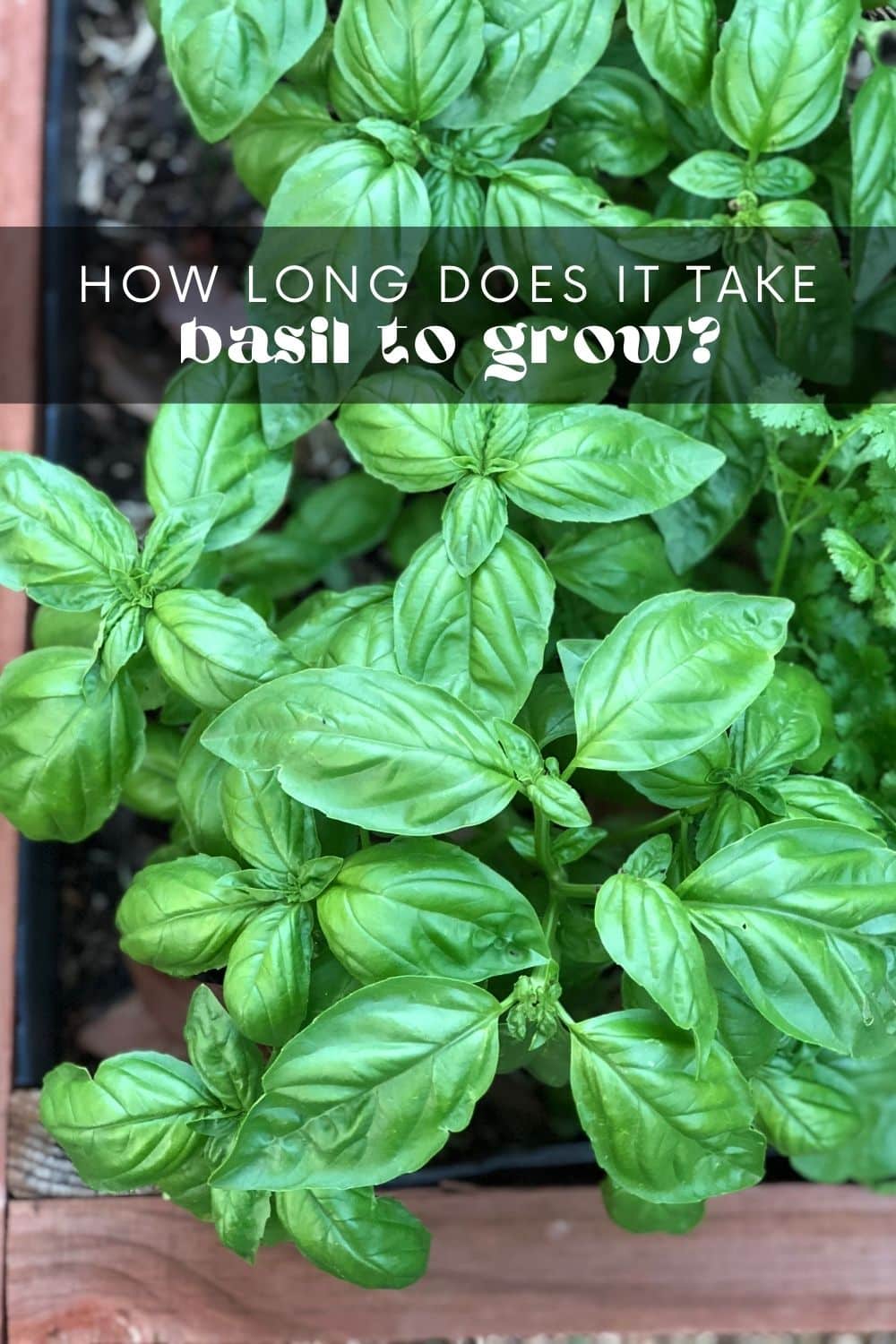
Imagine the vibrant aroma of fresh basil wafting through your kitchen, ready to elevate your next culinary creation. But how long do you have to wait between planting a basil seed and enjoying that fresh, homegrown flavor? Let's dive into the fascinating world of basil cultivation and explore the factors that influence its growth timeline.
Understanding the Basil Growth Timeline: From Seed to Harvest
The big question everyone wants answered: How long does it take basil to grow? Typically, you can expect to harvest your first basil leaves about 3-4 weeks after transplanting seedlings or 6-8 weeks after sowing seeds directly into the garden. However, this is just a general guideline. Several factors can influence the growth rate of your basil plants, impacting the time from planting to harvest.
Starting from Seed vs. Transplanting Seedlings
The starting method significantly impacts the overall time. Seeds need to germinate, sprout, and establish themselves before they begin rapid growth. Conversely, seedlings have already overcome these initial hurdles.
Starting basil from seed is a rewarding process. You will have control over the entire lifecycle of the plant, however you will need to be aware of the environmental factors to produce a healthy basil plant. These include the following:
- Seed Germination: Basil seeds typically germinate within 5-10 days under optimal conditions (warm soil, consistent moisture).
- Early Growth: After germination, the seedlings will need a few weeks to develop their first true leaves and establish a strong root system. This typically takes 2-3 weeks.
Transplanting seedlings, on the other hand, gives you a head start. You're skipping the germination and initial growth phases.
- Acclimation Period: Seedlings will need a short period (about a week) to adjust to their new environment after transplanting.
- Rapid Growth: Once acclimated, seedlings will quickly grow, allowing you to harvest leaves sooner.
Key Factors Influencing Basil Growth Rate
Several environmental and care-related factors can either accelerate or decelerate your basil's growth.
Sunlight
Basil thrives in full sun, requiring at least 6-8 hours of direct sunlight each day. Insufficient sunlight can lead to leggy growth, pale leaves, and slower overall development. Basil that doesn't get enough sun will take longer to mature and produce flavorful leaves. If you are finding that your basil plants aren't thriving despite your best efforts, make sure that you provide it with enough sunlight.
Soil Quality and Drainage
Well-draining soil rich in organic matter is crucial for healthy basil growth. Heavy clay soil can retain too much moisture, leading to root rot. Poor soil lacks essential nutrients, hindering growth. Using a good quality potting mix when planting basil in containers or amending garden soil with compost and other organic matter will help promote strong, healthy growth.
Watering Practices
Consistent watering is important, especially during hot weather. However, avoid overwatering, which can lead to root rot. Allow the top inch of soil to dry out between waterings. Basil likes moist but not waterlogged conditions. Signs of overwatering include yellowing leaves, wilting, and mold on the soil surface. Underwatering can cause the leaves to wilt and become brittle.
Temperature
Basil is a warm-weather herb and prefers temperatures between 70°F and 80°F (21°C and 27°C). Cold temperatures can stunt growth or even kill the plant. Protect basil from frost and provide shelter during cool spells.
Nutrient Availability
Basil benefits from regular feeding with a balanced fertilizer. A fertilizer with an NPK ratio of 10-10-10 or 20-20-20 is generally suitable. Avoid over-fertilizing, which can lead to excessive foliage growth at the expense of flavor. Side-dress plants with compost or apply a liquid fertilizer every few weeks to keep them thriving.
Variety of Basil
Different basil varieties have slightly different growth rates. Some varieties, like Genovese basil, tend to grow faster than others. Consider the variety you're growing when estimating the time to harvest.
Step-by-Step Guide to Faster Basil Growth
While you can't magically speed up plant growth, you can create optimal conditions that encourage faster and healthier development.
- Choose the Right Variety: Opt for fast-growing varieties like Genovese or Spicy Globe basil.
- Start Indoors: Begin seeds indoors 6-8 weeks before the last expected frost to get a head start.
- Provide Adequate Sunlight: Ensure your basil plants receive at least 6-8 hours of direct sunlight daily.
- Use Well-Draining Soil: Plant basil in well-draining soil rich in organic matter.
- Water Regularly: Keep the soil consistently moist but not waterlogged.
- Fertilize Regularly: Feed basil with a balanced fertilizer every few weeks.
- Pinch Back: Pinch off the top sets of leaves regularly to encourage bushier growth.
- Protect from Cold: Protect basil from frost and cold temperatures.
Speaking of caring for your garden, having the right tools is essential. A reliablegarden hose with a 10-function nozzle can make watering your basil and other plants a breeze. If you're looking for a dependable watering solution, consider a durable75 FT garden hose with aleak-proof metal connector, designed to prevent knots and kinks. It’s also designed to be lighter and more wear-resistant, featuring anti-pet technology, ensuring your garden gets the water it needs. You can find it here:https://amzn.to/3Yv E0Bo.
Troubleshooting Common Basil Growth Problems
Even with the best care, basil plants can encounter problems. Identifying and addressing these issues promptly is crucial for maintaining healthy growth.
Yellowing Leaves
Yellowing leaves can indicate several problems, including overwatering, underwatering, nutrient deficiencies, or disease. Check the soil moisture and adjust watering accordingly. Ensure the soil is well-draining and amend with compost if necessary. Fertilize regularly with a balanced fertilizer. Inspect the leaves for signs of disease or pests and treat as needed.
Wilting
Wilting can be caused by underwatering, heat stress, or root rot. Water basil deeply during hot weather. Ensure the soil is well-draining to prevent root rot. Provide shade during the hottest part of the day. Mulch around the base of the plants to help retain moisture.
Pests and Diseases
Basil is susceptible to several pests, including aphids, spider mites, and Japanese beetles. Inspect plants regularly and treat infestations promptly with insecticidal soap or neem oil. Basil can also be affected by fungal diseases such as downy mildew and fusarium wilt. Provide good air circulation, avoid overhead watering, and treat with a fungicide if necessary.
Harvesting Basil for Continuous Growth
Proper harvesting techniques can actually encourage basil to grow more vigorously and prolong its lifespan.
When to Harvest
Begin harvesting basil leaves when the plants are 6-8 inches tall. Harvest regularly to encourage bushier growth. The best time to harvest basil is in the morning, after the dew has dried, but before the heat of the day sets in. At this time, the oils are at their peak, resulting in the most flavorful leaves.
How to Harvest
Pinch off the top sets of leaves, just above a node (where the leaves emerge from the stem). This encourages the plant to produce new growth from the side shoots, resulting in a bushier plant with more leaves. Avoid harvesting more than one-third of the plant at a time.
Preventing Flowering
Once basil starts to flower, its leaves become bitter. To prevent flowering, pinch off flower buds as soon as they appear. Regular harvesting also helps to prevent flowering. If your basil plant does flower, you can still use the flowers in salads or as a garnish. However, the leaves will not be as flavorful.
Conclusion: Patience and Care are Key
So,how long to grow basil? While the timeline can vary, understanding the factors that influence basil growth and providing proper care will significantly impact your success. With a little patience and attention, you'll be harvesting fragrant, flavorful basil leaves in no time. By providing it with enough sunlight, proper nutrients, and regular pruning, you will be enjoying your home grown basil in no time.