Picture this: you’re making a delicious pesto, but you're out of fresh basil! A quick trip to the grocery store solves the problem, but what if you could extend the life of that store-bought basil and create an endless supply? The good news is, with a little know-how, you absolutely can! Growing Basil From Store-Bought: A Complete Guide So, can you really grow basil from store bought bunches? Absolutely! It's a fantastic way to save money, reduce waste, and enjoy fresh basil whenever you need it. However, the success of growing basil from store bought depends on a few key factors. This article will walk you through the entire process, from selecting the right basil to harvesting your homegrown leaves. We'll cover everything you need to know to successfully propagate basil from your grocery store haul. Selecting the Right Store-Bought Basil for Propagation Not all store-bought basil is created equal when it comes to propagation. To increase your ...
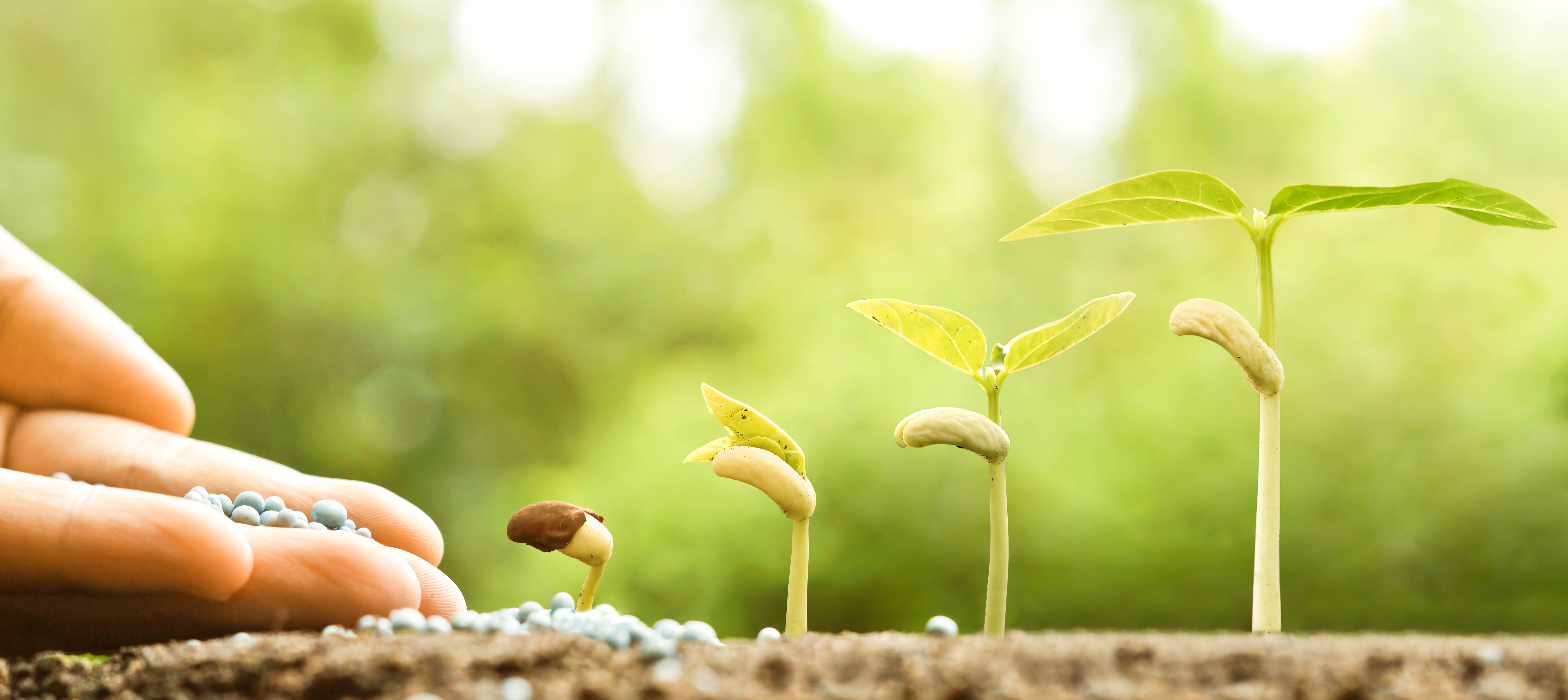
There's nothing quite like the aroma of fresh basil wafting through your garden on a warm summer day. And the taste? Forget about it! But growing your own basil, especially outdoors, can feel a little intimidating. Don't worry, it's easier than you think! With a few simple tips and tricks, you can have a thriving basil patch that provides you with an abundance of this culinary herb all season long.
Growing Basil Outdoors: The Ultimate Guide
Basil is a tender annual herb that's native to tropical regions. That means it loves warmth and sunshine! Understanding these basic needs is the foundation for successfully growing basil outdoors. In this guide, we'll dive deep into the secrets of cultivating happy, healthy basil plants right in your backyard. We'll cover everything from choosing the right spot and soil to watering, fertilizing, and protecting your precious basil from pests and diseases. So, grab your gardening gloves, and let's get started!
Choosing the Right Location for Your Outdoor Basil
Location, location, location! This real estate mantra applies just as much to your basil plants as it does to your home. Basil thrives in a spot that gets at least6-8 hours of direct sunlight each day. Morning sun is especially beneficial, as it helps to dry off the leaves and prevent fungal diseases. A south-facing location is generally ideal, providing the most sunlight throughout the day. However, in hotter climates, some afternoon shade can prevent the leaves from scorching.
Beyond sunlight, consider the soil. Basil needs well-draining soil that's rich in organic matter. Heavy clay soil can become waterlogged, leading to root rot. Sandy soil, on the other hand, may drain too quickly, leaving your basil plants thirsty. To improve your soil, amend it with compost, aged manure, or other organic materials before planting. These amendments will improve drainage, add nutrients, and create a healthy environment for your basil's roots to flourish.
Understanding Basil's Sunlight Needs
Basil needs a lot of light to produce those fragrant leaves. Insufficient sunlight can result in leggy plants with weak stems and pale leaves. If you're not sure if your chosen spot gets enough sunlight, observe it throughout the day. Note how many hours the sun shines directly on the area. Remember that the amount of sunlight can change throughout the growing season as the sun's path shifts.
Consider the following table for a quick reference on sunlight requirements:
| Sunlight Level | Hours of Direct Sunlight | Effect on Basil Growth |
|---|---|---|
| --- | --- | --- |
| Full Sun | 6-8+ hours | Optimal growth, abundant leaves, strong flavor |
| Partial Sun | 4-6 hours | Decent growth, but may be less productive |
| Shade | Less than 4 hours | Leggy growth, weak stems, pale leaves, poor flavor |
If you're struggling to find a sunny spot, consider using reflective materials, such as white gravel or aluminum foil, to bounce sunlight onto your basil plants. You can also supplement with grow lights, especially if you're starting your basil indoors before transplanting it outdoors.
Assessing and Amending Your Soil for Growing Basil
Healthy soil is the foundation of healthy basil plants. To assess your soil, you can perform a simple squeeze test. Grab a handful of soil and squeeze it in your hand. If it forms a hard, compact ball that's difficult to break apart, you likely have clay soil. If it crumbles easily and feels gritty, you likely have sandy soil. Ideally, your soil should be somewhere in between – loamy, well-draining, and rich in organic matter.
Here's how to amend different types of soil for growing basil:
Clay soil: Add compost, aged manure, peat moss, or other organic matter to improve drainage and aeration. Consider adding gypsum to help break up the clay. Sandy soil: Add compost, peat moss, or other organic matter to improve water retention and nutrient availability. Acidic Soil:Basil prefers soil p H between 6.0 and
7.5. If your soil is too acidic, add lime to raise the p H. Alkaline Soil:If your soil is too alkaline, add sulfur or acidic organic matter, such as pine needles, to lower the p H.
Using a soil testing kit can give you more accurate information about your soil's p H and nutrient levels. This will allow you to make more targeted amendments to ensure your basil plants have everything they need to thrive.
Planting Your Basil Outdoors: Timing and Techniques
Timing is crucial when it comes to planting basil outdoors. Basil is extremely sensitive to frost, so it's essential to wait until all danger of frost has passed before planting. The ideal time to plant basil outdoors is typically2-3 weeks after the last expected frost date in your area. The soil temperature should be at least 60°F (15°C) for optimal growth.
You can either start your basil from seed indoors or purchase seedlings from a nursery. Starting from seed gives you more control over the variety and allows you to get a head start on the growing season. However, buying seedlings is a convenient option if you're short on time or space.
Starting Basil from Seed Indoors
To start basil from seed indoors, sow the seeds in seed trays or small pots filled with a seed-starting mix. Keep the soil moist and warm, and provide plenty of light. Once the seedlings have developed a few sets of true leaves, they can be transplanted into larger pots. Gradually acclimate the seedlings to outdoor conditions by exposing them to increasing amounts of sunlight and fresh air over a period of 1-2 weeks before transplanting them into the garden.
Here's a step-by-step guide to starting basil from seed indoors:
- Fill seed trays or pots with seed-starting mix.
- Sow the basil seeds thinly on the surface of the soil.
- Gently press the seeds into the soil.
- Water gently to moisten the soil.
- Cover the seed trays or pots with a clear plastic lid or plastic wrap to create a humid environment.
- Place the seed trays or pots in a warm, sunny location or under grow lights.
- Once the seeds germinate, remove the plastic lid or plastic wrap.
- Water regularly to keep the soil moist but not waterlogged.
- Fertilize with a diluted liquid fertilizer every 2-3 weeks.
- Transplant the seedlings into larger pots once they have developed a few sets of true leaves.
- Harden off the seedlings before transplanting them into the garden.
Transplanting Basil Seedlings Outdoors
When transplanting basil seedlings outdoors, choose a cloudy day or plant in the late afternoon to minimize stress on the plants. Dig holes that are slightly larger than the root balls of the seedlings. Gently remove the seedlings from their pots and place them in the holes. Backfill the holes with soil and gently firm the soil around the base of the plants. Water thoroughly after planting.
Space basil plants 12-18 inches apart to allow for good air circulation. This will help to prevent fungal diseases. Consider companion planting basil with tomatoes, peppers, or other vegetables. Basil is believed to repel certain pests and improve the flavor of these vegetables.
Caring for Your Outdoor Basil Plants
Once your basil plants are in the ground, proper care is essential for ensuring a bountiful harvest. This includes regular watering, fertilizing, and pruning.
Watering Techniques for Healthy Basil
Basil needs consistent moisture, especially during hot, dry weather. Water deeply and regularly, ensuring that the soil stays consistently moist but not waterlogged. Avoid overhead watering, as this can promote fungal diseases. Instead, water at the base of the plants, using a soaker hose or drip irrigation system. In fact, I find myself reaching for mygarden hose for watering, especially the Garden Hose 75 FT with 10-Function Nozzle. Its kink-free design makes watering my garden a breeze. Check it out here:https://amzn.to/3Yv E0Bo
The frequency of watering will depend on the weather, soil type, and size of your basil plants. Check the soil moisture regularly by sticking your finger into the soil. If the top inch of soil feels dry, it's time to water. Mulching around your basil plants with straw, wood chips, or other organic materials can help to retain moisture and suppress weeds.
Fertilizing Your Basil for Abundant Growth
Basil is a relatively heavy feeder, so it benefits from regular fertilization. Use a balanced fertilizer with equal amounts of nitrogen, phosphorus, and potassium. You can also use a fertilizer specifically formulated for herbs. Apply the fertilizer according to the manufacturer's instructions. Avoid over-fertilizing, as this can lead to excessive leaf growth and reduce the flavor of the basil.
Organic fertilizers, such as compost tea, fish emulsion, or aged manure, are a great option for feeding your basil plants. These fertilizers provide essential nutrients while also improving the soil health. Apply organic fertilizers every 2-3 weeks during the growing season.
Pruning and Harvesting Your Basil
Pruning is essential for encouraging bushy growth and preventing your basil plants from flowering. Once your basil plants reach about 6 inches tall, start pinching off the top sets of leaves. This will encourage the plants to branch out and produce more leaves. Regularly pinch off any flower buds that appear. Once basil flowers, the leaves become bitter and less flavorful.
Harvest basil leaves regularly throughout the growing season. Simply pinch off the leaves at the base of the stem. You can harvest up to one-third of the plant at a time without harming it. Harvest in the morning, after the dew has dried, for the best flavor. Use the harvested basil fresh or dry it for later use.
Protecting Your Basil from Pests and Diseases
While basil is relatively pest-resistant, it can be susceptible to certain pests and diseases. Common pests include aphids, spider mites, and Japanese beetles. Common diseases include fungal diseases, such as downy mildew and fusarium wilt.
Identifying and Controlling Common Basil Pests
Aphids are small, sap-sucking insects that can cause the leaves of your basil plants to become distorted and yellowed. They can be controlled with a strong spray of water, insecticidal soap, or neem oil.
Spider mites are tiny pests that can cause the leaves of your basil plants to become stippled and bronzed. They thrive in hot, dry conditions. Increase humidity around your basil plants by misting them with water regularly. You can also use insecticidal soap or neem oil to control spider mites.
Japanese beetles are metallic green beetles that can skeletonize the leaves of your basil plants. Handpick the beetles off the plants and drop them into a bucket of soapy water. You can also use insecticidal soap or neem oil to control Japanese beetles.
Preventing and Treating Basil Diseases
Downy mildew is a fungal disease that causes yellow spots on the upper surface of basil leaves and a fuzzy gray growth on the lower surface. To prevent downy mildew, provide good air circulation around your basil plants and avoid overhead watering. If downy mildew does appear, remove infected leaves and spray the plants with a fungicide.
Fusarium wilt is a soilborne fungal disease that causes the leaves of your basil plants to wilt and turn yellow. To prevent fusarium wilt, plant basil in well-draining soil and avoid overwatering. If fusarium wilt does appear, remove infected plants and dispose of them in the trash. Do not compost infected plants.
Troubleshooting Common Basil Growing Problems Outdoors
Even with the best care, you may encounter some problems when growing basil outdoors. Here are some common issues and how to address them:
Yellowing leaves: This can be caused by overwatering, underwatering, nutrient deficiencies, or pest infestations. Check the soil moisture and adjust your watering accordingly. Fertilize with a balanced fertilizer or organic fertilizer. Inspect the plants for pests and treat them as needed. Wilting leaves: This can be caused by underwatering, heat stress, or root rot. Water deeply and regularly. Provide shade during the hottest part of the day. Ensure that the soil is well-draining to prevent root rot. Leggy growth: This is caused by insufficient sunlight. Move the plants to a sunnier location or supplement with grow lights. Bitter leaves: This can be caused by flowering or heat stress. Pinch off any flower buds that appear. Provide shade during the hottest part of the day.
By understanding these common problems and how to address them, you can ensure a healthy and productive basil crop all season long.
Enjoying Your Homegrown Basil
Now that you've successfully grown your own basil outdoors, it's time to enjoy the fruits (or rather, the leaves) of your labor! Fresh basil is a versatile herb that can be used in a variety of dishes. Add it to salads, soups, sauces, pesto, and more. You can also dry or freeze basil for later use. Experiment with different varieties of basil to find your favorites. Thai basil, lemon basil, and purple basil are just a few of the many options available. With a little bit of effort, you can have a constant supply of fresh, flavorful basil right at your fingertips.