Picture this: you’re making a delicious pesto, but you're out of fresh basil! A quick trip to the grocery store solves the problem, but what if you could extend the life of that store-bought basil and create an endless supply? The good news is, with a little know-how, you absolutely can! Growing Basil From Store-Bought: A Complete Guide So, can you really grow basil from store bought bunches? Absolutely! It's a fantastic way to save money, reduce waste, and enjoy fresh basil whenever you need it. However, the success of growing basil from store bought depends on a few key factors. This article will walk you through the entire process, from selecting the right basil to harvesting your homegrown leaves. We'll cover everything you need to know to successfully propagate basil from your grocery store haul. Selecting the Right Store-Bought Basil for Propagation Not all store-bought basil is created equal when it comes to propagation. To increase your ...
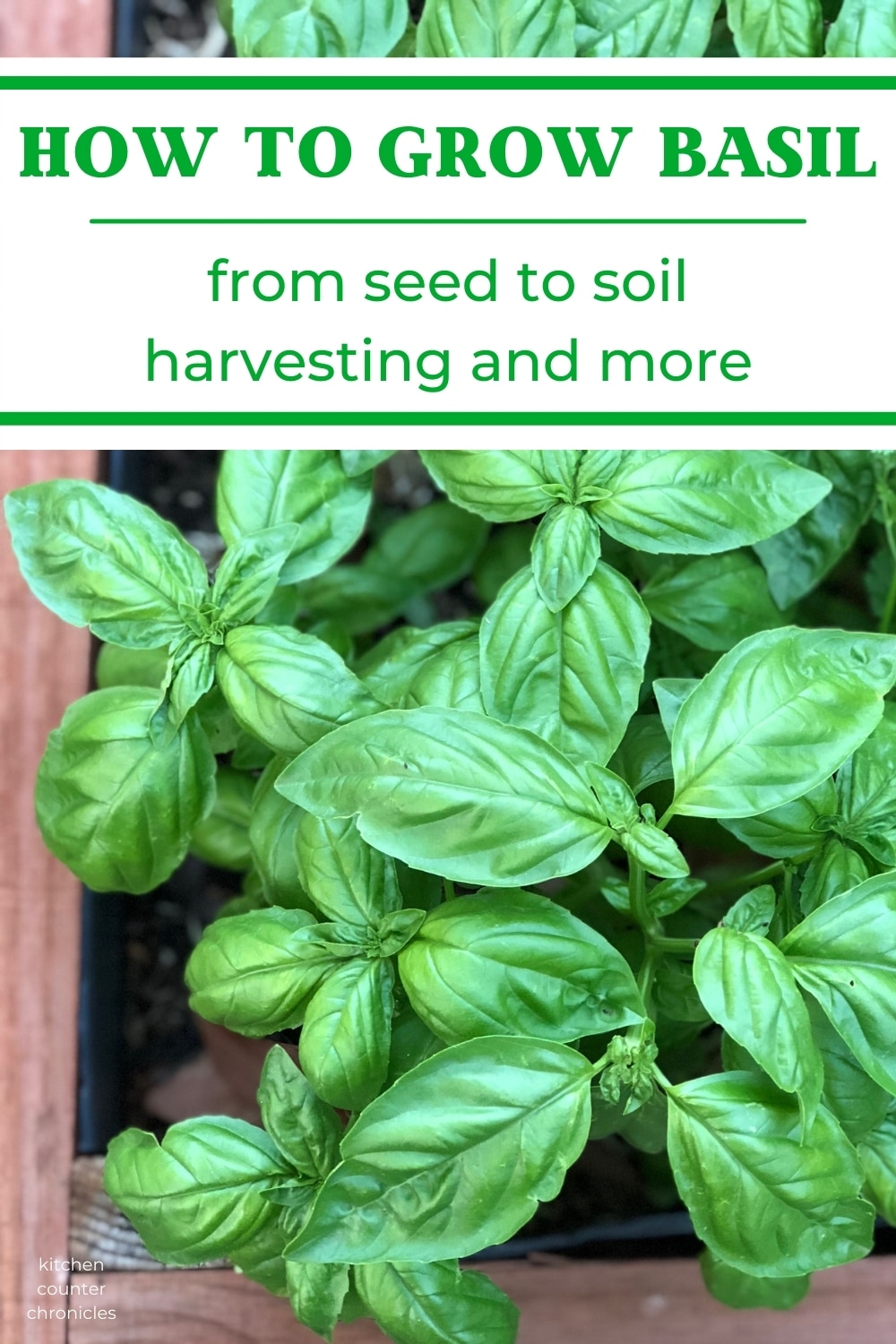
Have you ever dreamt of whipping up a pesto so fresh, so vibrant, that it transports you straight to the sun-drenched hills of Italy? The secret to that dream often lies in one humble herb: basil. But sometimes, getting that basil plant to thrive feels more like a battle than a beautiful garden partnership. Fear not, fellow gardeners! I'm here to share my tried-and-true secrets to unlock the secrets to bountiful basil growth. Let's dive in!
Unlocking Basil Bounty: A Comprehensive Guide to Growing Your Own
Basil, with its fragrant leaves and culinary versatility, is a must-have for any home garden. But sometimes, our green-thumbed dreams can be thwarted by lackluster growth. Understanding the fundamentals of basil cultivation is the key to unlocking a flourishing plant. Let's explore the essential elements that contribute to healthy and vigorous basil.
Understanding Basil's Needs: The Foundation for Success
Before we delve into the "how-to," let's understand what makes basil tick. Think of your basil plant as a tiny houseguest with specific needs. Meet those needs, and you'll have a happy, productive plant. Ignore them, and you'll likely face stunted growth and disappointment. So, what does basil crave?
Sunlight: Basil's Source of Energy
Basil is a sun-worshipper! It needs at least 6-8 hours of direct sunlight per day to thrive. Insufficient sunlight leads to leggy growth, pale leaves, and a weakened plant. If you're growing basil indoors, consider a sunny windowsill or invest in a grow light. South-facing windows are usually the best for this plant. Consider these points for sunlight:
- Outdoor Basil: Choose a location in your garden that receives full sun for most of the day.
- Indoor Basil: Place your basil plant near a sunny window. Rotate the pot regularly to ensure even light exposure. If natural light is insufficient, supplement with a grow light.
Watering: Finding the Right Balance
Basil loves consistent moisture, but it hates being waterlogged. Overwatering can lead to root rot, a common killer of basil plants. The key is to water deeply when the top inch of soil feels dry. Use a well-draining pot or amend your garden soil with compost to improve drainage. Water deeply but infrequently. Here are some tips about watering:
- Check Soil Moisture: Before watering, stick your finger about an inch into the soil. If it feels dry, it's time to water.
- Water at the Base: Avoid wetting the leaves, as this can promote fungal diseases. Water at the base of the plant.
- Drainage is Key: Ensure your pot has drainage holes to prevent water from accumulating at the bottom.
If you're looking for a convenient way to water your garden, consider the versatility of a75 FT Garden Hose with a 10-Function Nozzle like the one found here: https://amzn.to/3Yv E0Bo. Aleak-proof metal connector water hose can make watering sessions that much easier! Make sure the hose is no knots, kink-free, and anti-pets.
Soil: The Foundation of Growth
Basil thrives in well-draining, fertile soil with a slightly acidic to neutral p H (around 6.0-7.5). Amend your garden soil with compost or aged manure to improve drainage and nutrient content. Consider using a high-quality potting mix if growing basil in containers. Soil composition is key for basil health. Here's what to consider:
- Well-Draining: Basil roots need oxygen. Heavy, clay-rich soil can suffocate the roots.
- Fertile: Basil is a heavy feeder, meaning it needs plenty of nutrients.
- p H Level: Ideally, the soil p H should be between 6.0 and
7.5.
Temperature: Keeping Basil Comfortable
Basil is a tender annual, meaning it's sensitive to frost. It prefers warm temperatures between 60°F and 80°F (15°C and 27°C). Protect your basil plants from frost by bringing them indoors or covering them with a frost cloth during cold snaps. Consider this information about temperature:
- Avoid Frost: Basil cannot tolerate frost. Plant after the last frost in your area.
- Warm Temperatures: Basil thrives in warm weather. Aim for temperatures between 60°F and 80°F.
- Protect from Cold: If temperatures drop unexpectedly, protect your basil plants with a frost cloth or bring them indoors.
How To Get My Basil To Grow: Practical Steps for Success
Now that we understand basil's needs, let's translate that knowledge into practical steps you can take to ensure healthy growth. Getting your basil to grow is a process that will reward you with flavorful and healthy leaves.
Choosing the Right Basil Variety
Did you know there's more to basil than just the sweet Italian variety? From Thai basil with its anise flavor to lemon basil with its citrusy aroma, choosing the right variety can enhance your culinary adventures. Consider your taste preferences and culinary needs when selecting your basil plants.
Here's a table showcasing some popular basil varieties and their characteristics:
| Variety | Flavor Profile | Best Uses |
|---|---|---|
| --------------- | ---------------------------- | --------------------------------------------- |
| Sweet Basil | Classic basil flavor | Pesto, Italian dishes, salads |
| Thai Basil | Anise, slightly spicy | Asian cuisine, stir-fries, soups |
| Lemon Basil | Lemon, citrusy | Salads, teas, desserts |
| Purple Basil | Slightly spicy, clove-like | Decorative purposes, vinegars, salads |
| Genovese Basil | Robust basil flavor | Pesto, sauces, tomato dishes |
Planting Basil: Starting Off on the Right Foot
Whether you're starting from seed or transplanting seedlings, proper planting techniques are crucial. When starting from seed, sow seeds indoors 6-8 weeks before the last expected frost. Transplant seedlings outdoors after the danger of frost has passed. Space plants 12-18 inches apart to allow for adequate air circulation.
- Starting from Seed: Sow seeds indoors 6-8 weeks before the last expected frost.
- Transplanting Seedlings: Harden off seedlings before transplanting them outdoors. Space plants 12-18 inches apart.
- Soil Preparation: Amend your garden soil with compost or aged manure before planting.
Pruning and Harvesting: Encouraging Growth and Flavor
Pruning and harvesting aren't just about getting delicious basil leaves; they're also essential for promoting bushier growth. Pinch off the flower buds as soon as they appear to encourage the plant to focus its energy on leaf production. Harvest leaves regularly by snipping them just above a leaf node. This will encourage the plant to branch out and produce more leaves. Regular trimming and harvesting also help to get my basil to grow even faster and stronger.
- Pinch Off Flower Buds: Pinch off flower buds as soon as they appear to encourage leaf production.
- Harvest Regularly: Harvest leaves regularly by snipping them just above a leaf node.
- Proper Technique: Use sharp scissors or pruning shears to avoid damaging the plant.
Troubleshooting Common Basil Problems: Addressing Challenges Head-On
Even with the best care, basil plants can sometimes encounter problems. Being able to identify and address these issues promptly is crucial for maintaining healthy growth. Here are some common basil problems and their solutions.
Yellowing Leaves: Identifying the Cause
Yellowing leaves can be a sign of several problems, including overwatering, underwatering, nutrient deficiencies, or disease. Inspect your plant carefully to determine the cause. If the soil is consistently soggy, reduce watering. If the leaves are dry and brittle, increase watering. If the yellowing is accompanied by stunted growth, consider fertilizing with a balanced fertilizer.
Pests and Diseases: Protecting Your Basil
Basil is susceptible to several pests and diseases, including aphids, spider mites, and fungal diseases. Inspect your plants regularly for signs of infestation or disease. Treat infestations with insecticidal soap or neem oil. Prevent fungal diseases by ensuring good air circulation and avoiding overhead watering.
Here's a table of some common basil pests and diseases:
| Pest/Disease | Symptoms | Treatment |
|---|---|---|
| ------------------ | -------------------------------------------- | ---------------------------------------------- |
| Aphids | Small, pear-shaped insects on stems/leaves | Insecticidal soap, neem oil |
| Spider Mites | Fine webbing on leaves | Insecticidal soap, neem oil, increase humidity |
| Fungal Diseases | Spots on leaves, wilting | Improve air circulation, fungicide |
| Downy Mildew | Yellowing leaves with greyish-purple fuzz | Remove infected leaves, improve air circulation |
Stunted Growth: Reinvigorating Your Plant
Stunted growth can be caused by several factors, including insufficient sunlight, poor soil, or nutrient deficiencies. Ensure your basil plant receives at least 6-8 hours of direct sunlight per day. Amend your soil with compost or aged manure to improve fertility. Fertilize regularly with a balanced fertilizer.
Conclusion: Enjoying the Fruits (or Leaves!) of Your Labor
Growing healthy, vibrant basil requires understanding its needs and providing the right conditions. By following these tips and techniques, you can unlock the secrets to bountiful basil growth and enjoy the fresh, aromatic flavor of homegrown basil in your culinary creations. Happy gardening! Remember these tips on how to get my basil to grow and reap the rewards of a luscious basil plant.