Picture this: you’re making a delicious pesto, but you're out of fresh basil! A quick trip to the grocery store solves the problem, but what if you could extend the life of that store-bought basil and create an endless supply? The good news is, with a little know-how, you absolutely can! Growing Basil From Store-Bought: A Complete Guide So, can you really grow basil from store bought bunches? Absolutely! It's a fantastic way to save money, reduce waste, and enjoy fresh basil whenever you need it. However, the success of growing basil from store bought depends on a few key factors. This article will walk you through the entire process, from selecting the right basil to harvesting your homegrown leaves. We'll cover everything you need to know to successfully propagate basil from your grocery store haul. Selecting the Right Store-Bought Basil for Propagation Not all store-bought basil is created equal when it comes to propagation. To increase your ...
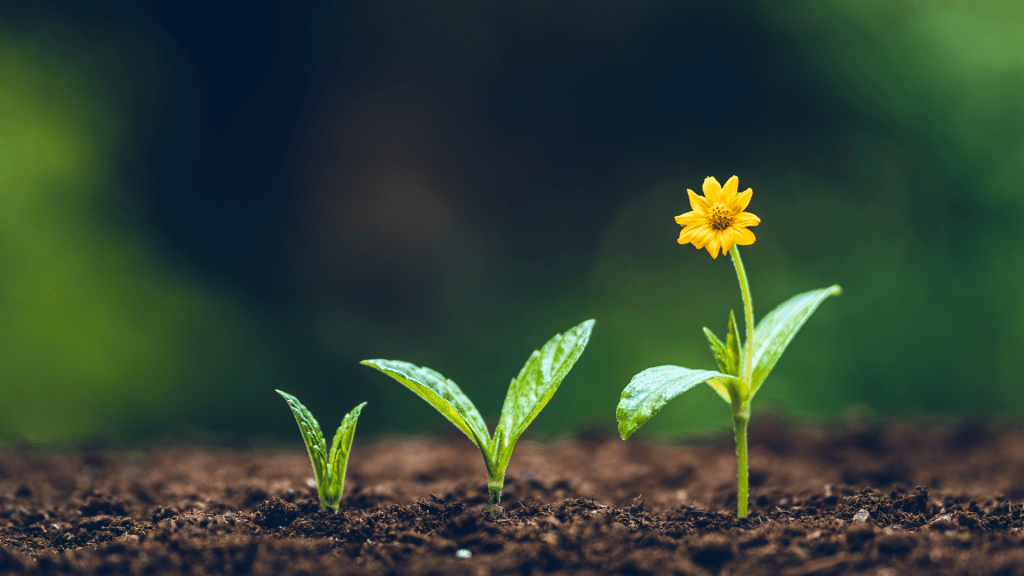
Imagine the vibrant aroma of Thai basil filling your kitchen, ready to elevate your next stir-fry or summer roll. Forget those wilting bunches from the grocery store – what if you could have a constant supply of fresh, flavorful Thai basil right at your fingertips? Growing Thai basil indoors is not only possible but also surprisingly easy! Let's embark on this fragrant adventure together.
Growing Thai Basil Indoors: A Complete Guide
Choosing the Right Thai Basil Variety for Indoor Growing
Before you start, it's important to select the best Thai basil variety for indoor cultivation. While all Thai basil shares that characteristic anise-licorice flavor, some varieties are better suited to container gardening. Here are a few popular choices:
- 'Siam Queen': This is a very common and readily available variety. It's known for its strong flavor and relatively compact size, making it ideal for pots.
- 'Magic Mountain': This variety has beautiful purple stems and flowers, offering both visual appeal and delicious flavor. It can get a bit larger than 'Siam Queen', so a slightly bigger pot might be necessary.
- 'Horapha': This is the Thai word for basil, but it can also refer to specific Thai basil varieties. Local nurseries might carry slightly different cultivars labeled as 'Horapha', so explore your options!
Consider the size of your space and the intensity of the flavor you prefer when making your choice. Smaller varieties are easier to manage indoors, while others might give you a higher yield if you have more space.
Essential Supplies for Your Indoor Thai Basil Garden
Successfully growing Thai basil inside requires a few key supplies. Gathering these beforehand will streamline the process and set you up for success.
- Seeds or Seedlings: You can start from seeds or purchase seedlings from a local nursery. Seeds take longer but offer more control over the growing process. Seedlings provide a quicker start but can be more expensive.
- Pot: Choose a pot that's at least 6 inches in diameter. Terra cotta pots are great because they allow for better drainage and airflow. Make sure it has drainage holes!
- Potting Mix: Use a well-draining potting mix specifically formulated for containers. Avoid using garden soil, as it can compact and suffocate the roots. A mix with perlite or vermiculite will help with drainage.
- Grow Lights (Optional): While Thai basil thrives in sunlight, supplemental grow lights can be beneficial, especially during the winter months or if you have limited natural light.
- Watering Can or Spray Bottle: A gentle watering can or spray bottle is essential for watering without disturbing the soil.
- Fertilizer: A balanced, water-soluble fertilizer will provide the necessary nutrients for healthy growth.
Speaking of gardening, for efficient watering, aGarden Hose 75 FT with 10-Function Nozzle, Leak-proof Metal Connector Water Hose, No Knots, Kink-Free, Lighter, Anti-Pets, Wear-Resistant, 3/4 GHT, Metal Hose for Garden, Yard, Outdoor can be a great addition to your gardening toolkit, ensuring your plants get the hydration they need without the hassle. You can find this highly versatile garden hose with 10 spray functions here: https://amzn.to/3Yv E0Bo.
Planting Your Thai Basil Seeds or Seedlings
Starting from Seeds
If you're starting from seeds, follow these steps:
- Sow Seeds: Fill your pot with potting mix, leaving about an inch of space at the top. Sprinkle the seeds evenly over the surface.
- Cover Lightly: Cover the seeds with a very thin layer of potting mix (about 1/4 inch).
- Water Gently: Water the soil gently using a spray bottle to avoid disturbing the seeds.
- Provide Warmth: Keep the pot in a warm location (around 70-80°F). You can use a heat mat to speed up germination.
- Maintain Moisture: Keep the soil consistently moist, but not soggy. Cover the pot with plastic wrap to retain moisture until the seeds germinate.
- Germination: Seeds typically germinate in 5-10 days. Once they sprout, remove the plastic wrap and provide plenty of light.
Transplanting Seedlings
If you're using seedlings, the process is even simpler:
- Prepare the Pot: Fill your pot with potting mix, leaving about an inch of space at the top.
- Remove Seedling: Gently remove the seedling from its container, being careful not to damage the roots.
- Plant Seedling: Dig a small hole in the potting mix and place the seedling in the hole.
- Backfill: Gently backfill the hole with potting mix, firming the soil around the base of the seedling.
- Water Thoroughly: Water the seedling thoroughly after planting.
Caring for Your Indoor Thai Basil Plant
Light Requirements
Thai basil needs at least 6-8 hours of direct sunlight per day to thrive. Place your plant near a sunny south-facing window. If you don't have enough natural light, use a grow light. Position the grow light a few inches above the plant and leave it on for 12-14 hours a day. Without adequate sunlight, it will be difficult to successfullygrow Thai basil in the house.
Watering
Water your Thai basil plant when the top inch of soil feels dry to the touch. Avoid overwatering, as this can lead to root rot. Water thoroughly until excess water drains out of the drainage holes. Reduce watering frequency during the winter months when growth slows down. The frequency with which you need to water when yougrow Thai basil indoors will depend on the humidity level in your house.
Temperature and Humidity
Thai basil prefers temperatures between 65-80°F. Avoid placing your plant near drafts or sources of extreme heat or cold. Thai basil also enjoys moderate humidity. If your home is dry, you can increase humidity by placing a tray of water near the plant or using a humidifier. Grouping plants together can also create a more humid microclimate.
Fertilizing
Fertilize your Thai basil plant every 2-4 weeks during the growing season (spring and summer) with a balanced, water-soluble fertilizer. Follow the instructions on the fertilizer package. Avoid over-fertilizing, as this can burn the roots. Reduce or stop fertilizing during the winter months.
Pruning and Harvesting Your Thai Basil
Pruning for Bushier Growth
Pruning is essential for encouraging bushy growth and preventing your Thai basil plant from becoming leggy. Pinch off the top leaves regularly to encourage side branching. This will result in a fuller, more productive plant. Regularly pruning your plant will allow you to continue togrow Thai basil in the house.
Harvesting for Flavor
Harvest Thai basil leaves as needed throughout the growing season. The best time to harvest is in the morning, after the dew has dried. Simply snip off the stems just above a leaf node (where a leaf grows out from the stem). This will encourage new growth from that point. Frequent harvesting will keep your plant producing fresh leaves for months.
Preventing Bolting
Bolting is when the plant starts to produce flowers and seeds, which can diminish the flavor of the leaves. To prevent bolting, pinch off any flower buds as soon as you see them. This will encourage the plant to focus its energy on producing leaves instead of flowers. Keeping the plant well-watered and fertilized can also help prevent bolting.
Troubleshooting Common Problems
Pests
Indoor Thai basil plants are generally less susceptible to pests than outdoor plants, but they can still be affected by common pests such as aphids, spider mites, and whiteflies. Inspect your plant regularly for signs of infestation. If you find pests, you can try washing them off with a strong stream of water or using insecticidal soap. Avoid using harsh pesticides indoors.
Diseases
Root rot is the most common disease affecting indoor Thai basil plants. It's caused by overwatering and poor drainage. To prevent root rot, make sure your pot has drainage holes and avoid overwatering. If you suspect your plant has root rot, you can try repotting it in fresh potting mix and trimming away any affected roots.
Yellowing Leaves
Yellowing leaves can be caused by a variety of factors, including overwatering, underwatering, nutrient deficiencies, and lack of light. Check the soil moisture and adjust your watering accordingly. If the leaves are yellowing due to nutrient deficiencies, fertilize your plant with a balanced fertilizer. If the leaves are yellowing due to lack of light, move your plant to a sunnier location or use a grow light.
Enjoying Your Homegrown Thai Basil
Now that you know how to grow Thai basil indoors, you can enjoy the fresh, flavorful leaves in a variety of dishes. Add them to stir-fries, soups, salads, and summer rolls. You can also use them to make pesto or infused oils. The possibilities are endless! Growing your own Thai basil is a rewarding experience that will bring the taste of Southeast Asia to your kitchen.