Picture this: you’re making a delicious pesto, but you're out of fresh basil! A quick trip to the grocery store solves the problem, but what if you could extend the life of that store-bought basil and create an endless supply? The good news is, with a little know-how, you absolutely can! Growing Basil From Store-Bought: A Complete Guide So, can you really grow basil from store bought bunches? Absolutely! It's a fantastic way to save money, reduce waste, and enjoy fresh basil whenever you need it. However, the success of growing basil from store bought depends on a few key factors. This article will walk you through the entire process, from selecting the right basil to harvesting your homegrown leaves. We'll cover everything you need to know to successfully propagate basil from your grocery store haul. Selecting the Right Store-Bought Basil for Propagation Not all store-bought basil is created equal when it comes to propagation. To increase your ...
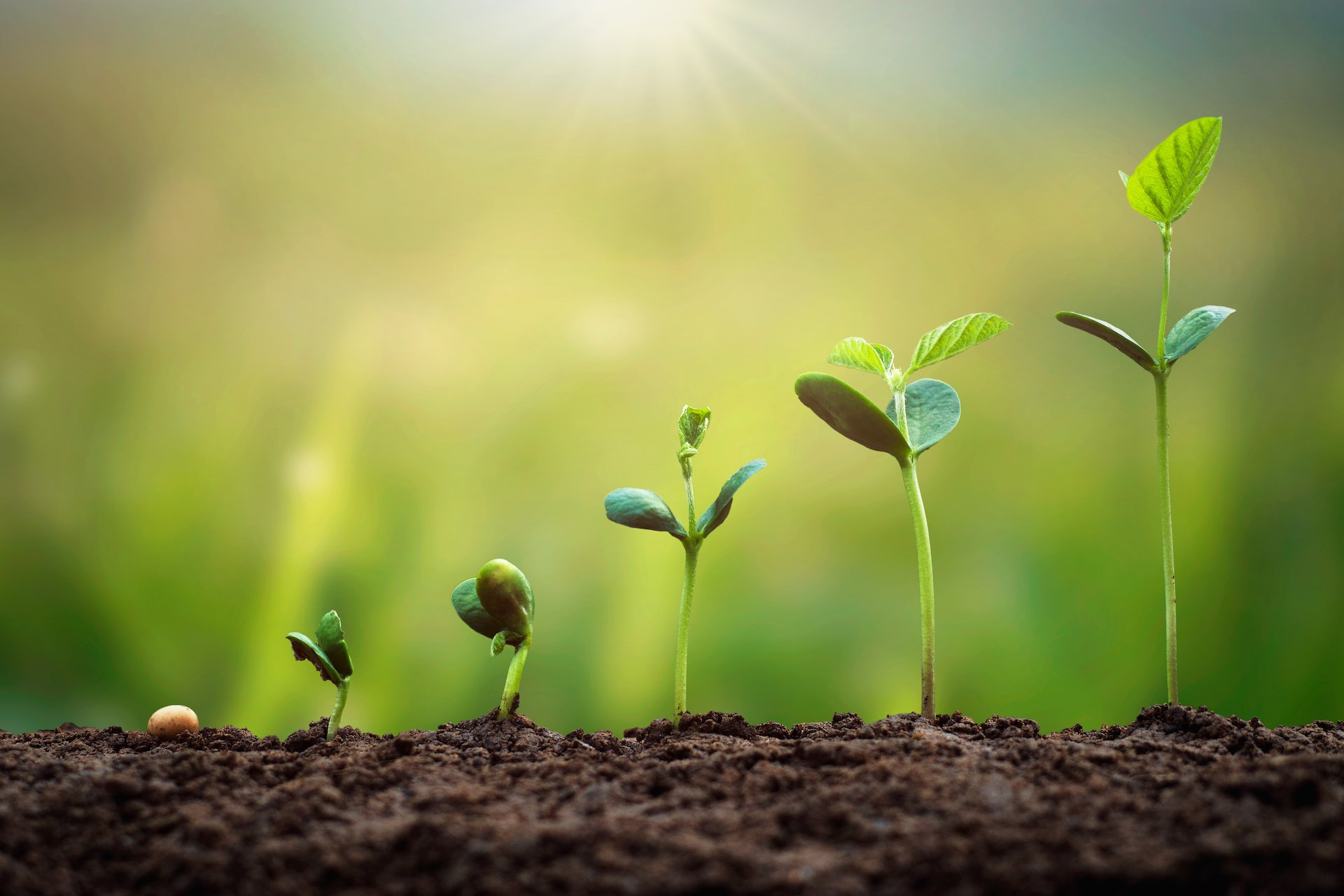
Have you ever dreamed of having your own little piece of India right in your backyard? Imagine harvesting fresh, fragrant leaves for your morning tea, knowing you grew them yourself. Holy Basil, also known as Tulsi, is more than just an herb; it’s a revered plant with a rich history and a multitude of benefits. Butwhere exactlyto grow Holy Basil to ensure its success? Let's explore everything you need to know to cultivate this sacred herb in your own garden or even indoors.
Growing Holy Basil: A Comprehensive Guide
Understanding Holy Basil and its Growing Needs
Before we delve intowhere to grow your Holy Basil, let's understand the plant itself. Ocimum tenuiflorum, or Holy Basil, isn't just any basil; it's an adaptogen, meaning it helps your body adapt to stress. It comes in several varieties, including Rama Tulsi (green leaves), Krishna Tulsi (purple leaves), and Vana Tulsi (forest type), each with slightly different characteristics but similar growing requirements. All of them are wonderfully fragrant and attractive to pollinators. The plant generally grows to be between 1-3 feet tall and prefers warm climates.
Holy Basil thrives in warm weather and well-draining soil. It's a sun-loving plant, needing at least 6 hours of direct sunlight per day. Here's a quick overview of its essential needs:
- Sunlight: Minimum 6 hours of direct sunlight.
- Soil: Well-draining, fertile soil with a p H between 6.0 and
7.5.
- Watering: Regular watering, keeping the soil consistently moist but not waterlogged.
- Temperature: Warm temperatures, ideally between 70°F and 90°F (21°C to 32°C).
- Humidity: Moderate humidity levels.
Choosing the Ideal Location to Grow Holy Basil
Outdoor Planting: Finding the Perfect Spot
If you live in a warm climate (USDA zones 10-11), you can grow Holy Basil outdoors year-round. Even in cooler climates, you can still grow it outdoors during the warmer months. When selecting a location, consider the following factors:
- Sun Exposure: As mentioned, Holy Basil needs plenty of sunshine. Choose a spot in your garden that receives at least 6 hours of direct sunlight daily. Southern-facing areas are often ideal.
- Soil Drainage: Holy Basil hates "wet feet." Ensure the soil drains well to prevent root rot. Amend heavy clay soils with compost, perlite, or sand to improve drainage.
- Protection from Wind: While Holy Basil is relatively sturdy, strong winds can damage its delicate leaves. Choose a location that is somewhat sheltered from strong gusts.
- Accessibility: Plant your Holy Basil in a location that is easily accessible for watering, weeding, and harvesting.
Case Study: A gardener in Southern California struggled to grow Holy Basil until they moved it to a raised bed with well-draining soil and full sun exposure. The plant thrived, producing abundant leaves for tea and medicinal use.
Indoor Growing: Creating the Right Environment
If you live in a colder climate or prefer to have fresh Holy Basil year-round, growing it indoors is a great option. Here's how to create the right environment:
- Potting Mix: Use a high-quality potting mix that drains well. Avoid using garden soil, as it can become compacted in containers.
- Pot Size: Choose a pot that is at least 12 inches in diameter to allow the roots to grow.
- Sunlight: Place your Holy Basil plant near a sunny window that receives at least 6 hours of direct sunlight. Southern-facing windows are usually best. If you don't have enough natural light, consider using a grow light.
- Watering: Water regularly, keeping the soil consistently moist but not waterlogged. Check the soil moisture by sticking your finger about an inch into the soil. If it feels dry, it's time to water.
- Humidity: Indoor environments can be dry, especially during the winter months. Increase humidity by placing a tray of water near the plant or using a humidifier.
Fact: Grow lights can significantly improve the growth of Holy Basil indoors, especially during the winter months when natural light is limited. LED grow lights are energy-efficient and provide the full spectrum of light that plants need to thrive.
Soil Preparation for Optimal Holy Basil Growth
Soil Type and Amendments
Holy Basil thrives in well-draining, fertile soil with a p H between 6.0 and
7.5. If your soil is heavy clay or sandy, you'll need to amend it to improve its drainage and fertility. Here's how:
- Clay Soil: Amend clay soil with compost, perlite, or sand to improve drainage. Compost will also add nutrients to the soil.
- Sandy Soil: Amend sandy soil with compost or peat moss to improve its water-holding capacity.
- Testing Soil p H: Use a soil testing kit to determine the p H of your soil. If the p H is too low (acidic), add lime to raise it. If the p H is too high (alkaline), add sulfur to lower it.
Table: Soil Amendments for Holy Basil
| Soil Type | Amendment | Benefit |
|---|---|---|
| --- | --- | --- |
| Clay | Compost | Improves drainage, adds nutrients |
| Clay | Perlite | Improves drainage |
| Clay | Sand | Improves drainage |
| Sandy | Compost | Improves water-holding capacity, adds nutrients |
| Sandy | Peat Moss | Improves water-holding capacity |
Quote: "The single greatest lesson the garden teaches is that our relationship to the planet need not be zero-sum, and that as long as the sun still shines and people still can plan and plant, think and do, we can, if we bother to try, find ways to provide for ourselves without diminishing the world." - Michael Pollan
Fertilizing Holy Basil
Holy Basil benefits from regular fertilization, especially during the growing season. Use a balanced organic fertilizer or compost tea every 2-3 weeks. Avoid over-fertilizing, as this can lead to leggy growth and reduced flavor. You can also amend the soil with bone meal or rock phosphate when planting to help with root development. A good quality water hose is also essential for keeping your plant healthy and hydrated, so consider investing in a durable option such as a75 FT garden hose with a 10-function nozzle for effortless watering: https://amzn.to/3Yv E0Bo. This innovative option is designed to be leak-proof and tangle-free, making it a valuable addition to any gardening toolkit.
Caring for Your Holy Basil Plant
Watering and Humidity
Water Holy Basil regularly, keeping the soil consistently moist but not waterlogged. Allow the top inch of soil to dry out between waterings. In hot, dry weather, you may need to water more frequently. As mentioned earlier, indoor environments can be dry, so increase humidity by placing a tray of water near the plant or using a humidifier. Misting the leaves regularly can also help.
Pruning and Harvesting
Pruning Holy Basil encourages bushier growth and prevents the plant from becoming leggy. Pinch off the top leaves regularly to promote side branching. You can also remove any yellowing or damaged leaves. To harvest Holy Basil, simply snip off the stems just above a leaf node. Harvest in the morning, after the dew has dried, for the best flavor.
Pest and Disease Control
Holy Basil is relatively pest-resistant, but it can be susceptible to aphids, spider mites, and whiteflies. Inspect your plants regularly and treat any infestations promptly with insecticidal soap or neem oil. Avoid overhead watering, as this can promote fungal diseases. Ensure good air circulation around the plants to prevent problems.
Data: Studies have shown that neem oil is effective in controlling a wide range of garden pests, including aphids, spider mites, and whiteflies, while being relatively safe for beneficial insects.
Enjoying the Benefits of Your Homegrown Holy Basil
Now that you knowwhere to grow Holy Basil and how to care for it, you can enjoy the many benefits of this sacred herb. Use the fresh leaves in teas, salads, and other culinary dishes. You can also dry the leaves for later use. Holy Basil is also known for its medicinal properties, including its ability to reduce stress, boost the immune system, and improve cognitive function.
Growing Holy Basil is a rewarding experience that connects you to nature and provides you with a wealth of health benefits. With a little care and attention, you can cultivate this sacred herb in your own garden or home, regardless of*where you are growing Holy Basil, and enjoy its many blessings.