Picture this: you’re making a delicious pesto, but you're out of fresh basil! A quick trip to the grocery store solves the problem, but what if you could extend the life of that store-bought basil and create an endless supply? The good news is, with a little know-how, you absolutely can! Growing Basil From Store-Bought: A Complete Guide So, can you really grow basil from store bought bunches? Absolutely! It's a fantastic way to save money, reduce waste, and enjoy fresh basil whenever you need it. However, the success of growing basil from store bought depends on a few key factors. This article will walk you through the entire process, from selecting the right basil to harvesting your homegrown leaves. We'll cover everything you need to know to successfully propagate basil from your grocery store haul. Selecting the Right Store-Bought Basil for Propagation Not all store-bought basil is created equal when it comes to propagation. To increase your ...
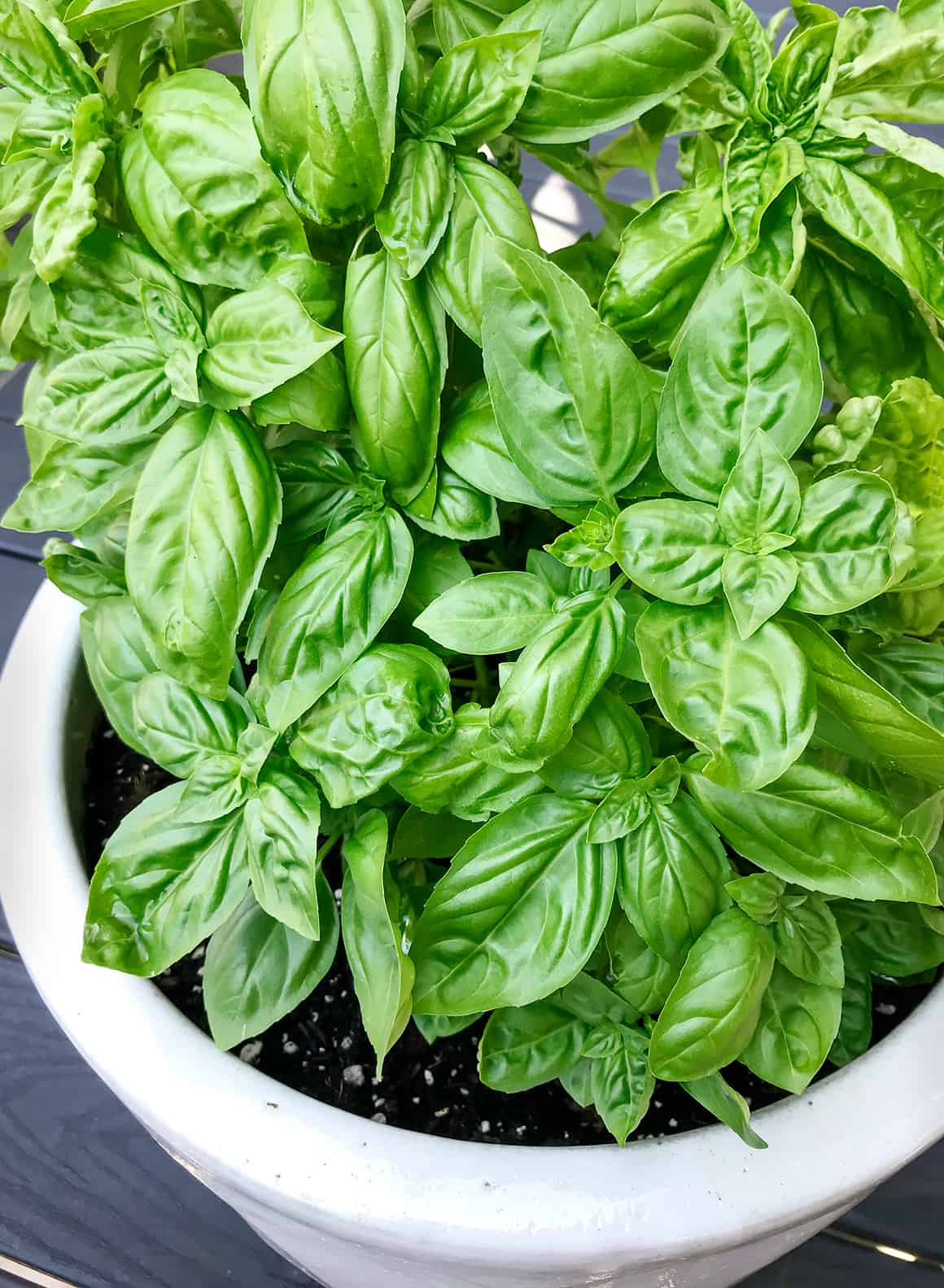
That fragrant, vibrant basil plant on your windowsill – it's been providing you with countless delicious leaves for pesto, salads, and more. But now, you've harvested quite a bit, and you're wondering: can you expect more growth? The good news is, with proper care and a little know-how, basil plants are surprisingly resilient and can provide multiple harvests.
Will A Basil Plant Grow Back? The Simple Answer
Yes! A basil plantwillgrow back after you harvest it, provided you harvest it correctly and give it the care it needs. It's not a "one-and-done" herb. Think of it less like cutting flowers and more like pruning a shrub – strategic cuts encourage new growth and a bushier, more productive plant. The trick is knowinghowto harvest your basil to promote, not prevent, regrowth.
Understanding Basil Plant Growth Habits
To understand how to encourage your basil plant to grow back, it's helpful to know a bit about its growth cycle. Basil is an annual plant, meaning it completes its life cycle in one growing season. Its primary goal is to reproduce, which it does by producing flowers and then seeds. Once a basil plant starts to flower, it focuses its energy on seed production, and leaf production slows down dramatically. The leaves also tend to become more bitter at this stage. That's why preventing flowering is key to continuous harvests.
How Basil Grows: Nodes and New Shoots
Basil grows from nodes located along its stems. These nodes are points where leaves emerge from the stem. When you prune (harvest) above a node, the plant will send out new shoots from that node. These shoots will develop into new branches with more leaves. This is the principle behind encouraging your basil to grow back bushier and fuller.
Harvesting Techniques to Encourage Regrowth
The key to a basil plant that keeps on giving is thewayyou harvest it. Here's the golden rule:
- Always harvestabovea leaf node. Use sharp scissors or pruning shears to make a clean cut about ¼ inch above a set of leaves. This encourages the plant to send out two new stems from that node, effectively doubling your future harvest.
- Don't just pick individual leaves. While youcanpick individual leaves, it's much more effective to harvest entire stems. This keeps the plant's shape balanced and encourages more uniform growth.
- Pinch off flower buds. As mentioned before, flowering slows down leaf production. As soon as you see flower buds forming at the top of your plant, pinch them off immediately. This redirects the plant's energy back into leaf production.
- Harvest regularly. Even if you don't need basil, harvest it anyway! Regular harvesting keeps the plant from flowering and encourages continued growth. A good rule of thumb is to harvest at least once a week during the growing season.
Consider these factors that influence basil growth:
Several factors influence how quickly and abundantly your basil plant will grow back after harvesting. These include:
- Sunlight: Basil needs at least 6-8 hours of sunlight per day. Insufficient sunlight will result in leggy growth and reduced leaf production.
- Water: Basil likes consistently moist soil, but not soggy. Water when the top inch of soil feels dry to the touch. Overwatering can lead to root rot, while underwatering can stress the plant.
- Soil: Basil prefers well-draining, fertile soil. A potting mix specifically formulated for herbs is a good choice.
- Fertilizer: Basil benefits from regular fertilization. Use a balanced liquid fertilizer diluted to half strength every 2-4 weeks.
- Temperature: Basil is a warm-weather herb and thrives in temperatures between 60-80°F (15-27°C). Protect it from frost.
Troubleshooting Basil Plant Regrowth Issues
Sometimes, despite your best efforts, your basil plant might struggle to grow back after harvesting. Here are some common problems and solutions:
- Yellowing Leaves: This can be a sign of overwatering, underwatering, nutrient deficiency, or pest infestation. Check the soil moisture, fertilize regularly, and inspect the plant for pests.
- Leggy Growth: This is usually caused by insufficient sunlight. Move the plant to a sunnier location or supplement with grow lights.
- Slow Growth: This can be due to a variety of factors, including poor soil, lack of fertilizer, or cold temperatures. Ensure the plant is in well-draining soil, fertilize regularly, and protect it from frost.
- Pest Infestations: Basil can be susceptible to aphids, spider mites, and whiteflies. Inspect the plant regularly and treat any infestations promptly with insecticidal soap or neem oil.
- Fungal Diseases: Overwatering and poor air circulation can lead to fungal diseases such as powdery mildew. Improve air circulation by spacing plants properly and avoid overhead watering.
Extending the Life of Your Basil Plant
Basil is an annual, so it won't live forever. However, you can extend its life and maximize your harvests by:
- Starting Seeds Indoors: Start basil seeds indoors 6-8 weeks before the last expected frost. This gives you a head start on the growing season.
- Taking Cuttings: Basil is easy to propagate from cuttings. Simply place a stem cutting in water until it develops roots, then plant it in soil.
- Succession Planting: Plant new basil plants every few weeks to ensure a continuous supply of fresh basil throughout the growing season.
One way to keep your garden thriving is to ensure your plants get enough water with the right tools. With a75 FT Garden Hose, you'll have no problem reaching all your plants. This garden hosealso comes equipped with a 10-Function Nozzle and is leak-proof, kink-free, and wear-resistant, making watering your garden much easier. You can check it out here:https://amzn.to/3Yv E0Bo.
Specific Basil Varieties and Their Regrowth Potential
While most basil varieties respond well to harvesting, some may exhibit more vigorous regrowth than others. Here are a few examples:
- Sweet Basil: The most common type, Sweet Basil is generally very resilient and responds well to regular harvesting.
- Genovese Basil: Similar to Sweet Basil, Genovese Basil also regrows well with proper care.
- Thai Basil: Thai Basil can be a bit more slow-growing than Sweet Basil, but it will still regrow after harvesting, especially if you pinch off flower buds regularly.
- Lemon Basil: Lemon Basil regrows similarly to Sweet Basil and benefits from consistent pruning.
- Purple Basil: Purple Basil, like other basil varieties, will regrow after harvesting, offering both beauty and flavor.
Final Thoughts: Enjoying Continuous Basil Harvests
With a little attention and the right harvesting techniques, you can enjoy a continuous supply of fresh, fragrant basil from a single plant throughout the growing season. Remember the key steps: harvest above leaf nodes, pinch off flower buds, provide adequate sunlight and water, and fertilize regularly. By following these simple guidelines, you'll be well on your way to a bountiful basil harvest that keeps on giving! Understandingwill basil plants grow back can transform your garden into a continuous source of this delightful herb.