Picture this: you’re making a delicious pesto, but you're out of fresh basil! A quick trip to the grocery store solves the problem, but what if you could extend the life of that store-bought basil and create an endless supply? The good news is, with a little know-how, you absolutely can! Growing Basil From Store-Bought: A Complete Guide So, can you really grow basil from store bought bunches? Absolutely! It's a fantastic way to save money, reduce waste, and enjoy fresh basil whenever you need it. However, the success of growing basil from store bought depends on a few key factors. This article will walk you through the entire process, from selecting the right basil to harvesting your homegrown leaves. We'll cover everything you need to know to successfully propagate basil from your grocery store haul. Selecting the Right Store-Bought Basil for Propagation Not all store-bought basil is created equal when it comes to propagation. To increase your ...
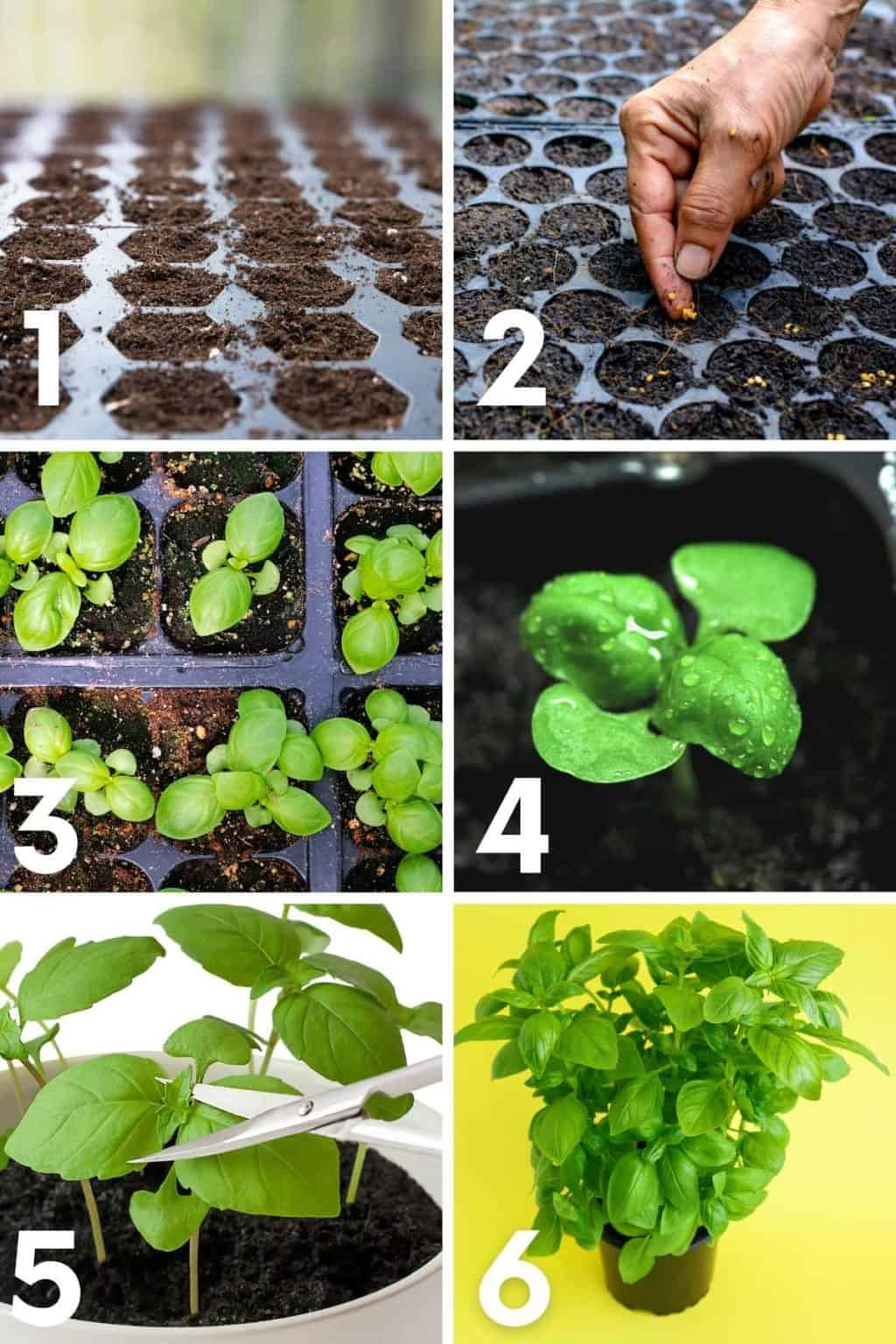
There's nothing quite like the aroma of fresh basil wafting through your kitchen, especially when you know you've grown it yourself from a tiny seed! It's surprisingly easy and incredibly rewarding to cultivate your own supply of this culinary staple. Ready to embark on this green adventure? Let's dive in and learn how to grow basil from seed, step-by-step.
Growing Basil From Seed: A Comprehensive Guide
Basil, a beloved herb in kitchens around the world, is known for its sweet and slightly peppery flavor. Growing basil from seed allows you to access a wider variety of basil types compared to buying starts from a nursery. Plus, it's a budget-friendly and deeply satisfying experience. This guide will provide all the essential information on successfully growing basil from seed, from choosing the right seeds to harvesting your bountiful crop.
Why Grow Basil From Seed?
There are several compelling reasons to consider growing basil from seed instead of buying transplants:
- Cost-Effective: Seeds are significantly cheaper than established plants, especially if you plan on growing a lot of basil.
- Wider Variety: Seed catalogs offer a far greater selection of basil varieties, including Genovese, Thai, lemon, purple, and more, allowing you to experiment with different flavors and aromas.
- Stronger Plants: Basil plants grown from seed tend to be stronger and more resilient, as they adapt to their environment from the very beginning.
- Sense of Accomplishment: There's a unique satisfaction in nurturing a plant from its earliest stages and watching it flourish.
Ultimately, choosing to grow basil from seed gives you more control over the process, allowing you to tailor your gardening experience to your preferences and needs. This creates healthier and more delicious yields.
Choosing the Right Basil Seeds
The first step to a successful basil harvest is selecting the right seeds. Consider these factors when making your choice:
Basil Variety
Different basil varieties offer unique flavors and characteristics. Here are a few popular options:
- Genovese Basil: The classic Italian basil, known for its sweet, slightly peppery flavor, ideal for pesto and sauces.
- Thai Basil: Features a licorice-like flavor and aroma, commonly used in Southeast Asian cuisine.
- Lemon Basil: Offers a bright, citrusy flavor that complements salads, fish, and chicken dishes.
- Purple Basil: Adds a striking visual element to your garden and dishes, with a slightly different flavor profile than Genovese.
- Globe Basil: Forms a compact, rounded bush, making it a great choice for containers.
Experiment with different varieties to discover your favorites! Each type of basil adds a unique dimension to your culinary creations.
Seed Quality
Purchase seeds from a reputable source to ensure high germination rates and healthy plants. Look for seeds that are:
- Fresh: Check the seed packet for the expiration date. Fresh seeds will germinate more reliably.
- Untreated: Opt for untreated seeds, especially if you're growing basil for organic consumption.
- Certified Organic (Optional): If you're committed to organic gardening, choose seeds that are certified organic.
Don't be afraid to read reviews and ask for recommendations from other gardeners to find the best seed sources.
Starting Basil Seeds Indoors
Starting basil seeds indoors gives you a head start on the growing season, especially in regions with shorter summers. Here's how to do it:
Timing
Start your basil seeds indoors 6-8 weeks before the last expected frost. This will give the seedlings enough time to develop strong roots before transplanting them outdoors.
Fact: Basil is sensitive to frost, so it's crucial to wait until all danger of frost has passed before transplanting seedlings outdoors.
Materials
Gather the following materials:
- Seed Trays or Pots: Use seed trays with drainage holes or small pots made of biodegradable material.
- Seed Starting Mix: A sterile, well-draining seed starting mix is essential for successful germination.
- Watering Can or Spray Bottle: For gentle watering to avoid disturbing the seeds.
- Heat Mat (Optional): A heat mat can help speed up germination, as basil seeds germinate best in warm temperatures (around 70-75°F or 21-24°C).
- Grow Lights (Optional): If you don't have a sunny window, grow lights can provide the necessary light for healthy seedling development.
Sowing the Seeds
Follow these steps to sow your basil seeds:
- Moisten the Seed Starting Mix: Thoroughly moisten the seed starting mix before filling the trays or pots.
- Sow the Seeds: Sprinkle the seeds evenly over the surface of the soil, or sow 2-3 seeds per cell or pot.
- Cover the Seeds: Lightly cover the seeds with a thin layer of seed starting mix. Basil seeds need light to germinate, so don't bury them too deep.
- Water Gently: Water the seeds gently using a watering can or spray bottle to avoid dislodging them.
- Provide Warmth and Light: Place the seed trays or pots in a warm location, such as on a heat mat or near a sunny window. If using grow lights, position them a few inches above the soil surface.
Caring for Seedlings
Once the seeds have germinated (usually within 5-10 days), provide the seedlings with consistent care:
- Watering: Keep the soil consistently moist, but not waterlogged. Water when the top inch of soil feels dry.
- Light: Ensure the seedlings receive at least 6-8 hours of direct sunlight per day, or 14-16 hours of artificial light.
- Thinning: If you sowed multiple seeds per cell or pot, thin them to one seedling per cell or pot once they have developed their first true leaves (the second set of leaves).
- Fertilizing: Once the seedlings have developed a few sets of true leaves, begin fertilizing them with a diluted liquid fertilizer every 2-3 weeks.
Case Study: A local gardener found that using a humidity dome over their seed trays significantly improved germination rates, especially during dry winter months. Maintaining consistent humidity is key to successful seed starting.
To ensure the success of your basil garden, consider using a high-quality garden hose that's built to last. TheGarden Hose 75 FT with 10-Function Nozzle offers features like a leak-proof metal connector, kink-free design, and wear-resistant construction, perfect for keeping your basil plants well-watered. This flexible watering tool makes caring for your garden easy and efficient. You can find it here: https://amzn.to/3Yv E0Bo.
Direct Sowing Basil Seeds Outdoors
In warmer climates with longer growing seasons, you can also direct sow basil seeds outdoors. Here's how:
Timing
Direct sow basil seeds after all danger of frost has passed and the soil has warmed to at least 60°F (15°C). This is usually a few weeks after the last expected frost.
Preparing the Soil
Basil thrives in well-drained soil that is rich in organic matter. Before sowing the seeds, prepare the soil by:
- Tilling or Turning: Loosen the soil to a depth of 6-8 inches.
- Amending with Compost: Incorporate compost or other organic matter to improve soil fertility and drainage.
- Leveling the Soil: Rake the soil to create a smooth, even surface.
Sowing the Seeds
Follow these steps to sow your basil seeds directly into the garden:
- Create Shallow Furrows: Make shallow furrows in the soil, about ¼ inch deep and 12-18 inches apart.
- Sow the Seeds: Sprinkle the seeds evenly along the furrows.
- Cover the Seeds: Lightly cover the seeds with soil.
- Water Gently: Water the seeds gently using a watering can or spray bottle.
- Keep Moist: Keep the soil consistently moist until the seeds germinate.
Thinning Seedlings
Once the seedlings emerge, thin them to 6-12 inches apart to allow them adequate space to grow.
Caring for Basil Plants
Whether you started your basil seeds indoors or direct sowed them outdoors, providing proper care is essential for healthy growth and abundant harvests.
Sunlight
Basil requires at least 6-8 hours of direct sunlight per day. Choose a sunny location in your garden or ensure your indoor plants receive adequate light from a sunny window or grow lights.
Data: Studies have shown that basil plants grown in full sun produce higher yields and more flavorful leaves.
Watering
Water basil plants regularly, especially during hot, dry weather. Keep the soil consistently moist, but avoid overwatering, which can lead to root rot. Water at the base of the plant to avoid wetting the leaves, which can promote fungal diseases.
Fertilizing
Fertilize basil plants every 2-3 weeks with a balanced liquid fertilizer. Alternatively, you can amend the soil with compost or other organic matter to provide a steady supply of nutrients.
Pinching and Pruning
Pinching and pruning are essential for encouraging bushy growth and preventing the plants from flowering too early. When the plants are about 6 inches tall, pinch off the top set of leaves. This will encourage the plant to produce more side shoots and become bushier. Regularly pinch off any flower buds that appear, as flowering will reduce leaf production. This can be done effectively even when*cultivating basil from seed!
Pest and Disease Control
Basil is relatively pest-resistant, but it can be susceptible to aphids, spider mites, and Japanese beetles. Inspect your plants regularly for signs of pests and treat them accordingly. Common diseases that can affect basil include fungal diseases like powdery mildew and downy mildew. To prevent these diseases, ensure good air circulation around the plants, avoid overwatering, and water at the base of the plant.
Harvesting Basil
You can begin harvesting basil leaves as soon as the plants are large enough to support it, usually when they are about 6-8 inches tall. To harvest, simply pinch or cut off the leaves just above a set of leaves. This will encourage the plant to produce more leaves from that point. Harvest regularly throughout the growing season to keep the plants producing. The more you harvest, the more the plant will grow and produce! Now that you've learned how to grow basil from seeds, you can start to create your own unique tastes with delicious, home grown herbs!
By following these tips, you can successfully grow basil from seed and enjoy fresh, flavorful basil all season long. Happy gardening!