Picture this: you’re making a delicious pesto, but you're out of fresh basil! A quick trip to the grocery store solves the problem, but what if you could extend the life of that store-bought basil and create an endless supply? The good news is, with a little know-how, you absolutely can! Growing Basil From Store-Bought: A Complete Guide So, can you really grow basil from store bought bunches? Absolutely! It's a fantastic way to save money, reduce waste, and enjoy fresh basil whenever you need it. However, the success of growing basil from store bought depends on a few key factors. This article will walk you through the entire process, from selecting the right basil to harvesting your homegrown leaves. We'll cover everything you need to know to successfully propagate basil from your grocery store haul. Selecting the Right Store-Bought Basil for Propagation Not all store-bought basil is created equal when it comes to propagation. To increase your ...
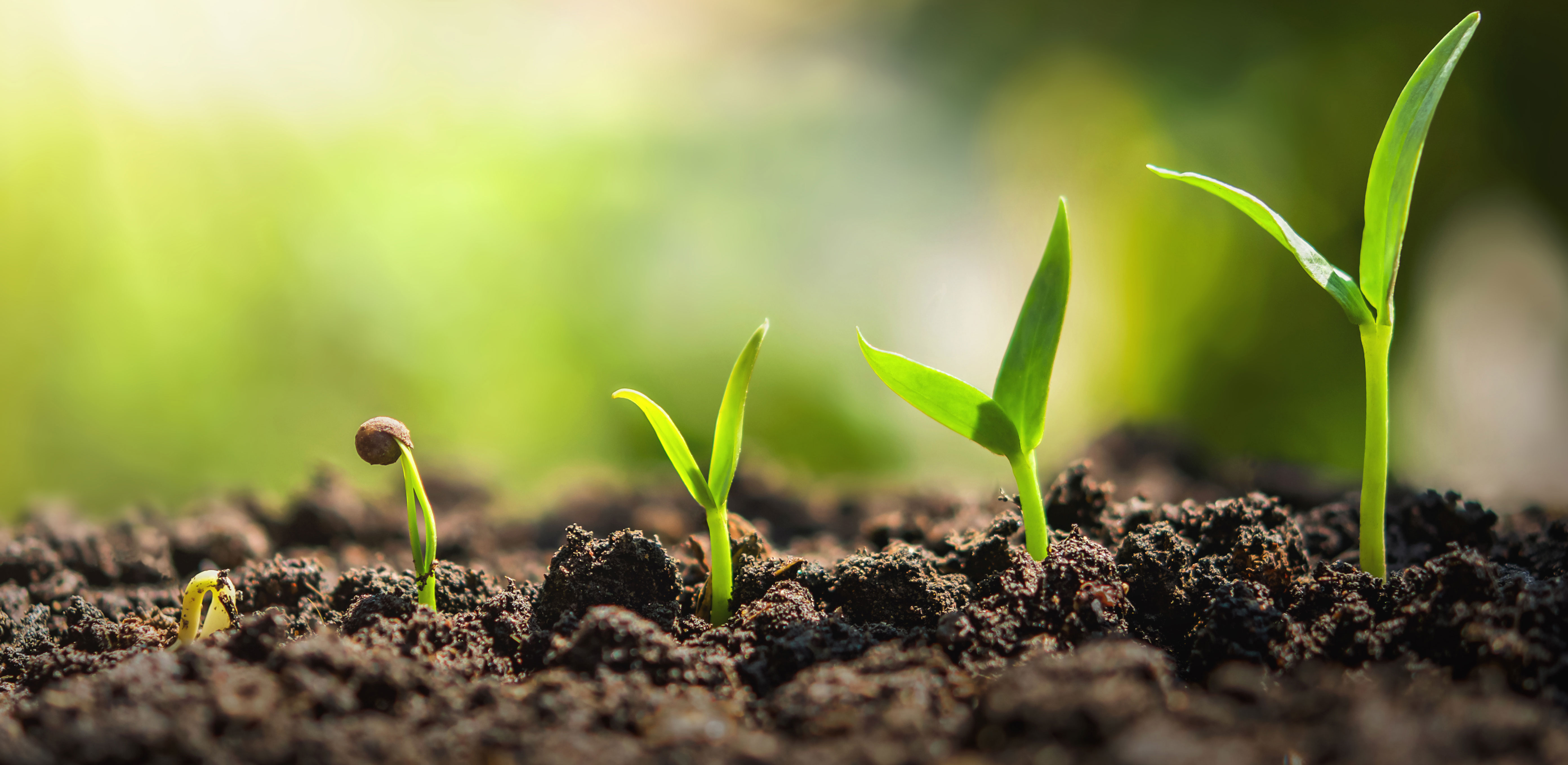
Ever felt a pang of guilt throwing away that almost-wilted bunch of basil from the supermarket? What if I told you that instead of tossing it, you could actuallygrowmore basil from it? It's easier than you think, and it's a fantastic way to get fresh, flavorful basil on demand without constantly running to the store. Let's dive into how you can propagate basil from those supermarket bunches and enjoy a never-ending supply of this aromatic herb.
Unlocking the Secrets of Growing Basil From Supermarket Herbs
Growing basil from supermarket herbs is a rewarding and sustainable practice. It not only saves you money but also connects you more closely with the food you consume. Supermarket basil, often sold as cut stems in water, has the potential to root and thrive into a full-fledged basil plant. The key is understanding how to select the right stems, prepare them for rooting, and provide the ideal environment for growth. We'll cover all that and more in this comprehensive guide.
Selecting the Right Basil Stems From the Supermarket
The success of growing basil from supermarket herbs hinges on choosing healthy stems. Not all basil is created equal, and some bunches are simply not viable for propagation. Here's what to look for:
- Look for Vibrant Green Leaves: Avoid stems with yellowing, wilting, or spotted leaves. Healthy basil should have a bright green color and turgid leaves.
- Check for Nodes: Nodes are the points on the stem where leaves emerge. These are crucial because roots will develop from these points. Ensure your stems have several well-defined nodes.
- Avoid Flowering Stems: Stems that have already started to flower are less likely to root effectively. The plant is putting its energy into flower production rather than root development.
- Firm Stems: The stems should be firm and not mushy or slimy, which could indicate rot.
- Variety Matters (Sometimes): While most common supermarket basil varieties (sweet basil) will propagate readily, some rarer varieties might be more challenging. Stick to the common sweet basil (Ocimum basilicum) for the best chances of success.
It's also a good idea to buy your basil from a store with a quick turnover to ensure you're getting the freshest possible product. Even a slightly older bunch can still work, but fresher is always better when rooting basil cuttings.
Preparing Your Basil Cuttings for Rooting
Once you've selected your healthy basil stems, it's time to prepare them for rooting. This process involves trimming the stems properly and providing a suitable environment for root development.
- Trim the Lower Leaves: Using clean scissors or pruning shears, remove the leaves from the lower 2-3 inches of the stem. This is important because these submerged leaves will rot and contaminate the water, hindering root growth. Only the bare stem should be submerged.
- Leave a Few Top Leaves: Keep 4-6 leaves at the top of the stem. These leaves are essential for photosynthesis, which provides the energy the plant needs to develop roots.
- Cut the Stem (Optional): If the stem is very long, you can cut it just below a node. This isn't strictly necessary, but it can encourage root growth.
- Consider Rooting Hormone (Optional): While basil roots readily without it, dipping the cut end of the stem in rooting hormone can speed up the process and improve your chances of success. You can find rooting hormone in powder or liquid form at most garden centers.
Rooting Basil Cuttings in Water
Rooting basil cuttings in water is the most common and easiest method. Here's how to do it:
- Choose a Suitable Container: Select a clean glass or jar. A clear container is helpful because you can monitor root growth, but it's not essential.
- Fill with Fresh Water: Use clean, dechlorinated water. Tap water contains chlorine, which can inhibit root growth. Let tap water sit out for 24 hours to allow the chlorine to evaporate, or use filtered water.
- Place the Cuttings in Water: Arrange the prepared basil stems in the jar, ensuring that the nodes are submerged but the leaves are above the water line.
- Provide Indirect Sunlight: Place the jar in a location with bright, indirect sunlight. Avoid direct sunlight, which can scorch the leaves. An east-facing windowsill is often ideal.
- Change the Water Regularly: Change the water every 1-2 days to prevent the growth of bacteria and algae. This also provides the cuttings with fresh oxygen.
- Monitor Root Growth: You should start to see roots developing in about 5-10 days. The roots will emerge from the nodes along the submerged portion of the stem.
Troubleshooting: If the water becomes cloudy or the stems start to rot, change the water immediately and check the stems for any signs of disease. If the leaves start to yellow, it could indicate overwatering or insufficient light. Move the cuttings to a brighter location and ensure the water is fresh.
Planting Your Rooted Basil Cuttings
Once the roots are about 1-2 inches long, it's time to plant your rooted basil cuttings in soil. This step requires careful handling to avoid damaging the delicate roots.
- Choose the Right Pot and Soil: Select a pot that's at least 4 inches in diameter with drainage holes. Use a well-draining potting mix. A mixture of potting soil, perlite, and vermiculite is ideal.
- Prepare the Pot: Fill the pot with potting mix, leaving about an inch of space at the top.
- Carefully Remove the Cuttings: Gently remove the rooted basil cuttings from the water, being careful not to break the roots.
- Plant the Cuttings: Make a small hole in the soil for each cutting and carefully place the roots in the hole. Cover the roots with soil, gently patting it down to secure the plant.
- Water Thoroughly: Water the newly planted basil cuttings thoroughly until the water drains out of the bottom of the pot.
Caring for Your New Basil Plants
Once your rooted basil cuttings are planted, proper care is essential to ensure their continued growth and health. Here are some key tips:
- Sunlight: Basil thrives in full sunlight (6-8 hours per day). Place your potted basil plants in a sunny location, such as a south-facing windowsill or a sunny patio. If you don't have enough natural light, you can supplement with grow lights.
- Watering: Water your basil plants when the top inch of soil feels dry to the touch. Avoid overwatering, as this can lead to root rot. Water deeply, ensuring that the entire root ball is moistened.
- Fertilizing: Feed your basil plants every 2-4 weeks with a balanced liquid fertilizer. Follow the instructions on the fertilizer label.
- Pruning: Regular pruning is crucial for encouraging bushy growth and preventing the plant from flowering prematurely. Pinch off the top sets of leaves regularly. When you see flower buds forming, pinch them off to direct the plant's energy into leaf production.
- Pest Control: Basil is generally pest-resistant, but it can be susceptible to aphids, spider mites, and whiteflies. Inspect your plants regularly and treat any infestations promptly with insecticidal soap or neem oil.
Harvesting Your Basil
You can start harvesting your basil leaves as soon as the plant has reached a sufficient size (around 6-8 inches tall). To harvest, simply pinch off the leaves or stems with your fingers or scissors. Avoid cutting more than one-third of the plant at a time, as this can stress the plant and slow down growth. The more you harvest, the more the plant will produce! You'll be enjoying fragrant, fresh basil in your culinary creations for months to come.
The Advantages of Propagating Basil From Supermarket Herbs
Growing basil from supermarket herbs offers numerous advantages:
- Cost-Effective: It's a much cheaper way to get basil than constantly buying it from the store.
- Sustainable: It reduces food waste and promotes a more sustainable lifestyle.
- Convenient: You always have fresh basil on hand when you need it.
- Educational: It's a fun and educational project for both adults and children.
- Rewarding: It's incredibly satisfying to watch a small stem transform into a thriving plant.
By following these simple steps, you can easily grow basil from supermarket herbs and enjoy a continuous supply of fresh, flavorful basil for all your culinary needs. Get ready to impress your friends and family with your homegrown basil!
Taking care of your garden can sometimes be a struggle when you do not have the right tools. Having the best equipment can help a lot with this matter, such as a75 FT Garden Hose with a 10-Function Nozzle. This expansive water hose, complete with a multi-functional spray nozzle, will surely make your gardening life easier! With durable metal connectors and a kink-free design, you can now enjoy watering your plants with ease. Check it out here:https://amzn.to/3Yv E0Bo.