Picture this: you’re making a delicious pesto, but you're out of fresh basil! A quick trip to the grocery store solves the problem, but what if you could extend the life of that store-bought basil and create an endless supply? The good news is, with a little know-how, you absolutely can! Growing Basil From Store-Bought: A Complete Guide So, can you really grow basil from store bought bunches? Absolutely! It's a fantastic way to save money, reduce waste, and enjoy fresh basil whenever you need it. However, the success of growing basil from store bought depends on a few key factors. This article will walk you through the entire process, from selecting the right basil to harvesting your homegrown leaves. We'll cover everything you need to know to successfully propagate basil from your grocery store haul. Selecting the Right Store-Bought Basil for Propagation Not all store-bought basil is created equal when it comes to propagation. To increase your ...
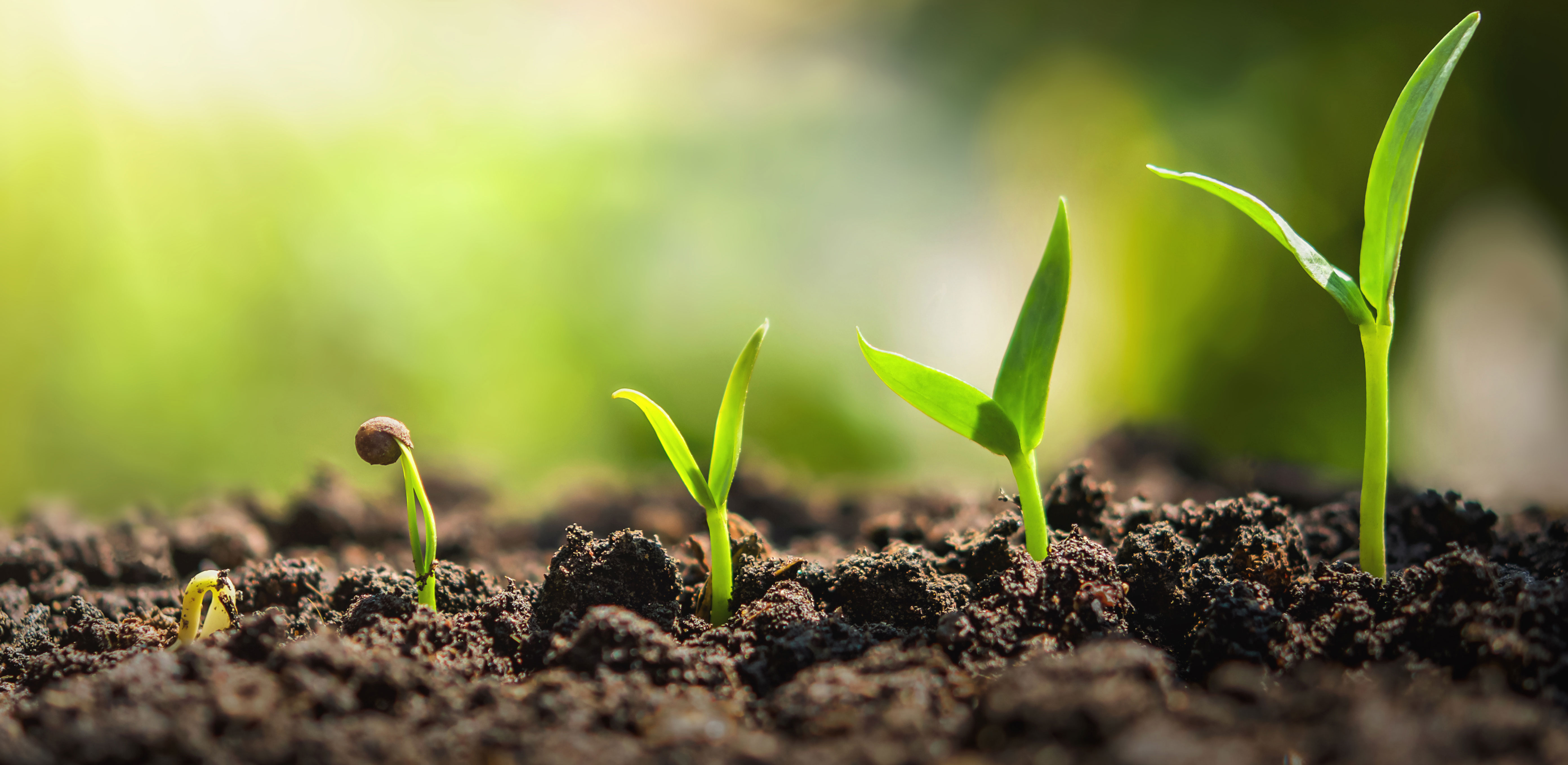
Imagine the aroma of fresh basil filling your kitchen, ready to be plucked and tossed into your favorite pasta sauce, sprinkled over a Caprese salad, or infused into a refreshing pesto. Growing your own sweet basil from seed is easier than you might think, offering a rewarding experience from tiny sprout to flavorful herb. Let's dive into the simple steps to successfully cultivating sweet basil seeds at home.
Starting Your Sweet Basil Seeds Journey
Growing sweet basil seeds isn't just about planting a seed and hoping for the best. It’s about understanding the plant's needs and creating the ideal environment for it to thrive. Whether you're a seasoned gardener or a complete beginner, with a little know-how, you can enjoy a bountiful harvest of fresh basil all season long. We'll cover everything from selecting the right seeds to harvesting your fragrant crop.
Choosing the Right Sweet Basil Seeds
The first step in successfully growing sweet basil seeds is choosing the right variety. While 'Genovese' is the most common and widely recognized type, there are several other types of sweet basil to consider, each with its own unique flavor profile and characteristics. Consider these aspects when selecting your seeds:
- Genovese Basil: The classic choice for pesto, known for its robust, sweet flavor and large, slightly ruffled leaves.
- Italian Large Leaf Basil: Similar to Genovese, but with even larger leaves, making it great for wrapping ingredients.
- Purple Basil: Adds a striking visual element to your garden and dishes, with a slightly different, sometimes spicier, flavor.
- Lemon Basil: Offers a refreshing citrusy aroma and flavor, perfect for teas and salads.
- Thai Basil: Features a licorice-like flavor and is commonly used in Asian cuisine.
Beyond the variety, ensure you're purchasing your seeds from a reputable supplier. Look for seeds that are certified organic and non-GMO to ensure the healthiest plants. Check the seed packet for a "sell by" or "packed for" date to ensure the seeds are fresh, as older seeds may have a lower germination rate.
Preparing to Plant Sweet Basil Seeds
Before you even think about putting seeds in soil, preparation is key. This involves choosing your planting method, preparing your soil, and ensuring you have the right containers.
Starting Seeds Indoors vs. Outdoors
You can start sweet basil seeds either indoors or directly outdoors, depending on your climate and the time of year. Starting seeds indoors gives you a head start on the growing season, especially in colder climates. It allows you to control the environment and provide the seedlings with optimal conditions for germination and early growth. Starting outdoors, on the other hand, is simpler but requires careful timing and attention to weather conditions.
- Starting Indoors: Begin 6-8 weeks before the last expected frost. This allows the seedlings to develop a strong root system before being transplanted outdoors.
- Starting Outdoors: Sow seeds directly into the garden soil after the danger of frost has passed and the soil has warmed up to at least 60°F (15°C).
Choosing the Right Soil for Sweet Basil Seedlings
Sweet basil thrives in well-draining, fertile soil with a p H between 6.0 and
7.5. When starting seeds indoors, use a seed-starting mix, which is specifically formulated to provide the right balance of moisture and nutrients for delicate seedlings. Avoid using garden soil, as it can be too heavy and may contain pathogens that can harm young plants. If starting seeds directly in the garden, amend the soil with compost or other organic matter to improve drainage and fertility. Consider performing a soil test to understand what nutrients may be lacking and adjust accordingly. Don’t be afraid to use soil testing kits from your local hardware store. Testing the soil could be the difference between a beautiful basil plant or a bland disappointment.
Selecting Containers and Providing Proper Drainage
If starting seeds indoors, use seedling trays, small pots, or even recycled containers like yogurt cups. Ensure that the containers have drainage holes to prevent waterlogging, which can lead to root rot. For starting seeds directly outdoors, choose a location with well-draining soil. Basil doesn’t do well in soggy conditions. Proper drainage is vital for growing healthy sweet basil seeds!
Planting Your Sweet Basil Seeds
Now comes the fun part – actually planting your sweet basil seeds. Follow these steps for successful germination and seedling development:
Sowing Seeds Indoors
Fill your chosen containers with seed-starting mix, leaving about half an inch of space at the top. Moisten the soil gently with a spray bottle. Sow the sweet basil seeds thinly over the surface of the soil, then lightly cover them with a thin layer of soil (about 1/4 inch). Gently water the soil again, being careful not to disturb the seeds. Cover the containers with a clear plastic dome or plastic wrap to create a humid environment. Place the containers in a warm location (around 70-75°F or 21-24°C) with indirect sunlight.
Sowing Seeds Outdoors
Prepare the garden bed by loosening the soil and removing any weeds or debris. Sow the sweet basil seeds directly into the soil, spacing them about 1-2 inches apart. Lightly cover the seeds with a thin layer of soil (about 1/4 inch). Gently water the soil with a watering can or garden hose with a gentle nozzle. Keep the soil consistently moist until the seeds germinate.
When watering your garden, consider using agarden hose with a 10-function nozzle, leak-proof metal connector, and kink-free design, such as this 75 FT metal hose, which you can conveniently find online:https://amzn.to/3Yv E0Bo. This will provide the gentle and consistent watering that the basil needs to get started.
Maintaining Optimal Growing Conditions
After sowing your seeds, maintaining optimal growing conditions is crucial for successful germination and seedling development. Here's what to keep in mind:
- Temperature: Sweet basil seeds germinate best at temperatures between 70-75°F (21-24°C). Use a heat mat if necessary to provide consistent warmth, especially when starting seeds indoors.
- Moisture: Keep the soil consistently moist but not waterlogged. Check the soil daily and water as needed. Use a spray bottle to mist the soil gently, especially when seeds are germinating.
- Light: Once the seeds germinate, provide seedlings with plenty of bright, indirect light. If starting seeds indoors, use grow lights or place the seedlings near a sunny window. Rotate the seedlings regularly to ensure even growth.
Caring for Your Sweet Basil Plants
Once your seedlings have emerged and developed a few sets of true leaves, it's time to transplant them (if you started them indoors) and begin regular care.
Transplanting Seedlings
If you started your sweet basil seeds indoors, transplant the seedlings into larger pots or directly into the garden once the danger of frost has passed and the soil has warmed up. Space the seedlings about 12-18 inches apart to allow them plenty of room to grow. When transplanting, handle the seedlings carefully to avoid damaging the delicate roots. Water the seedlings thoroughly after transplanting and provide them with some shade for the first few days to help them adjust to their new environment.
Watering and Fertilizing
Sweet basil requires consistent moisture, especially during hot summer months. Water deeply whenever the top inch of soil feels dry to the touch. Avoid overwatering, as this can lead to root rot. Fertilize your sweet basil plants every 2-3 weeks with a balanced organic fertilizer. Follow the instructions on the fertilizer package carefully. You can also use compost tea to provide your basil plants with a gentle boost of nutrients.
Pruning and Harvesting
Regular pruning and harvesting are essential for keeping your sweet basil plants healthy and productive. Pinch off the top sets of leaves regularly to encourage the plant to bush out and produce more leaves. When harvesting, cut the stems just above a leaf node. This will encourage new growth from the leaf node. Avoid harvesting more than one-third of the plant at a time. Once the plant starts to flower, the leaves can become bitter. Pinch off any flower buds as soon as you see them to encourage continued leaf production.
Troubleshooting Common Issues
Even with the best care, you may encounter some common problems when growing sweet basil seeds. Here are a few issues to watch out for and how to address them:
- Damping-off: A fungal disease that affects young seedlings, causing them to collapse and die. Prevent damping-off by using a sterile seed-starting mix, providing good air circulation, and avoiding overwatering.
- Aphids: Small, sap-sucking insects that can weaken plants. Control aphids by spraying them with insecticidal soap or neem oil.
- Japanese Beetles: These pests will munch on the basil leaves. If you have a small crop consider picking them off by hand and dropping them in a bucket of soapy water.
- Downy Mildew: A fungal disease that causes yellow spots on the leaves. Prevent downy mildew by providing good air circulation, avoiding overhead watering, and using resistant varieties.
- Nutrient deficiencies: Yellowing leaves can indicate a nutrient deficiency. Perform a soil test to determine which nutrients are lacking and amend the soil accordingly.
Enjoying Your Fresh Sweet Basil
Growing sweet basil seeds is a rewarding experience that allows you to enjoy fresh, flavorful herbs right from your own garden. Whether you're making pesto, adding basil to your favorite dishes, or simply enjoying the aroma, fresh sweet basil is a culinary delight. With a little care and attention, you can have a bountiful harvest all season long. So, get started today and experience the joy of growing your own sweet basil!