Picture this: you’re making a delicious pesto, but you're out of fresh basil! A quick trip to the grocery store solves the problem, but what if you could extend the life of that store-bought basil and create an endless supply? The good news is, with a little know-how, you absolutely can! Growing Basil From Store-Bought: A Complete Guide So, can you really grow basil from store bought bunches? Absolutely! It's a fantastic way to save money, reduce waste, and enjoy fresh basil whenever you need it. However, the success of growing basil from store bought depends on a few key factors. This article will walk you through the entire process, from selecting the right basil to harvesting your homegrown leaves. We'll cover everything you need to know to successfully propagate basil from your grocery store haul. Selecting the Right Store-Bought Basil for Propagation Not all store-bought basil is created equal when it comes to propagation. To increase your ...
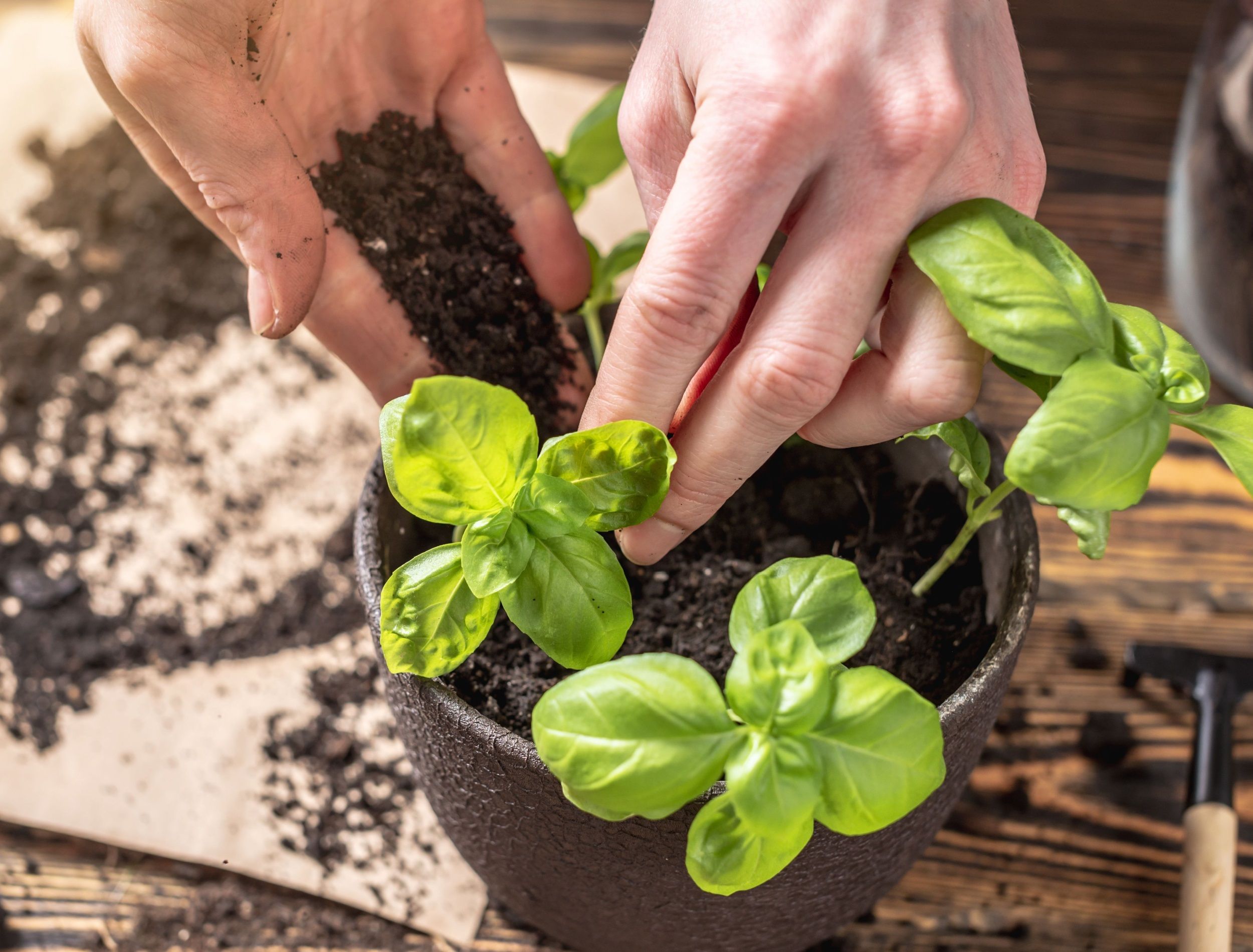
Imagine the fragrant, peppery aroma of fresh basil wafting through your kitchen, ready to be plucked and sprinkled over your favorite pasta dish or blended into a vibrant pesto. Growing your own basil from seed at home is easier than you might think, and the reward of having a constant supply of this culinary staple is well worth the effort. Let's dive into the simple steps to nurture those tiny seeds into flourishing basil plants!
Why Grow Basil From Seed?
While you can certainly purchase basil seedlings from a nursery, starting from seed offers several advantages. Firstly, it's significantly more cost-effective, especially if you plan on growing multiple plants or different varieties. Secondly, you have access to a wider range of basil varieties, many of which are not commonly available as seedlings. Thirdly, you gain a deeper connection to the growing process, fostering a sense of accomplishment as you watch your tiny seeds sprout and develop into mature plants. Growing basil at home is a rewarding and simple experience for any gardener!
Understanding Basil Varieties
Before you even think about sowing seeds, take a moment to explore the diverse world of basil. Sweet basil is the most common type, known for its classic Italian flavor. But there are many other exciting options to consider. Here's a quick overview of some popular varieties:
- Sweet Basil: The quintessential basil, perfect for pesto, pasta sauces, and salads.
- Genovese Basil: A type of sweet basil with a more intense flavor. The variety of choice for making traditional pesto.
- Thai Basil: Offers a slightly anise-like flavor, commonly used in Southeast Asian cuisine.
- Lemon Basil: Imparts a citrusy aroma and flavor to dishes and teas.
- Purple Basil: Adds a beautiful color and a slightly spicier flavor to your garden and your plate.
- Globe Basil: A compact variety that grows in a neat, rounded shape, ideal for small spaces.
Consider experimenting with different varieties to find your favorites. Each offers a unique flavor profile that can enhance your culinary creations.
Gathering Your Supplies for Planting Basil Seeds
To successfully grow basil from seed, you'll need to gather a few essential supplies. This step is crucial for creating the optimal environment for germination and early growth. Here's a checklist of what you'll need:
- Basil Seeds: Choose your desired variety from a reputable source.
- Seed Starting Tray or Small Pots: These provide a controlled environment for germination. Ensure they have drainage holes.
- Seed Starting Mix: A fine-textured, sterile mix designed for seedlings. Avoid using garden soil, as it can harbor diseases and pests.
- Watering Can or Spray Bottle: For gentle watering to avoid disturbing the seeds.
- Clear Plastic Wrap or a Humidity Dome: To maintain moisture levels during germination.
- Warm Location: Basil needs warmth to germinate, ideally between 70-80°F (21-27°C).
- Grow Lights (Optional): If you don't have a sunny windowsill, grow lights can provide the necessary light for healthy seedling development.
Having these supplies readily available will streamline the planting process and set you up for success.
Preparing Your Seed Starting Setup
Before you sow your seeds, it's essential to prepare your seed starting setup properly. This will create the ideal environment for germination and give your seedlings a strong start. Follow these steps:
- Moisten the Seed Starting Mix: Add water to the mix until it's evenly moist but not soggy.
- Fill the Trays or Pots: Gently fill each cell or pot with the moistened mix, leaving about half an inch of space at the top.
- Firm the Soil: Lightly press down on the soil to create a firm surface for the seeds.
- Sow the Seeds: Sprinkle a few seeds (2-3) on the surface of each cell or pot. Basil seeds are small, so avoid overcrowding.
- Cover the Seeds: Lightly cover the seeds with a thin layer of seed starting mix (about 1/4 inch).
- Water Gently: Use a spray bottle to gently mist the surface of the soil. Avoid watering too heavily, as this can dislodge the seeds.
- Cover with Plastic Wrap or Humidity Dome: This will help maintain humidity levels and encourage germination.
Proper preparation is key to successful germination. Taking the time to set up your seed starting environment correctly will greatly increase your chances of growing healthy basil seedlings.
The Germination Process: Patience is Key
After sowing your seeds, patience is paramount. The germination process typically takes 5-10 days, but it can vary depending on temperature and moisture levels. Place your seed starting tray or pots in a warm location, ideally between 70-80°F (21-27°C). A heat mat can be helpful if your home is cooler. Keep the soil consistently moist, but not waterlogged. Check the moisture levels daily and mist the soil as needed. Once the seedlings emerge, remove the plastic wrap or humidity dome to prevent damping off, a fungal disease that can affect young seedlings.
Remember, germination rates can vary. Don't be discouraged if not all of your seeds sprout. Focus on providing the optimal conditions for the ones that do.
Caring for Basil Seedlings
Once your basil seedlings have emerged, it's crucial to provide them with the right care to ensure their healthy growth. This includes adequate light, proper watering, and occasional fertilization.
- Light: Basil seedlings need at least 6 hours of direct sunlight per day. If you don't have a sunny windowsill, use grow lights to supplement their light exposure. Place the lights a few inches above the seedlings and adjust as they grow.
- Watering: Water the seedlings when the top inch of soil feels dry. Avoid overwatering, as this can lead to root rot. Use a watering can or spray bottle to gently water the base of the plants.
- Thinning: Once the seedlings have a few sets of true leaves, thin them out to one plant per cell or pot. Choose the strongest, healthiest seedling and snip off the others at the soil line.
- Fertilizing: After a few weeks, start fertilizing the seedlings with a diluted liquid fertilizer every two weeks. Choose a fertilizer specifically formulated for herbs and follow the instructions on the label.
Providing proper care during this stage is essential for developing strong, healthy basil plants.
Transplanting Your Basil Seedlings
Once your basil seedlings have grown to a size of about 2-3 inches tall, and the danger of frost has passed, it's time to transplant them into larger pots or directly into your garden. Choose a sunny location with well-drained soil. Basil thrives in warm weather and needs at least 6-8 hours of direct sunlight per day. Here's how to transplant your basil seedlings:
- Harden Off the Seedlings: Before transplanting, gradually acclimate the seedlings to outdoor conditions by exposing them to increasing amounts of sunlight and fresh air over a period of 7-10 days. This process, called hardening off, helps them adjust to the change in environment and prevents transplant shock.
- Prepare the Soil: Amend the soil with compost or other organic matter to improve drainage and fertility.
- Dig a Hole: Dig a hole that is slightly larger than the root ball of the seedling.
- Remove the Seedling: Gently remove the seedling from its pot or cell, being careful not to damage the roots.
- Place the Seedling in the Hole: Place the seedling in the hole and backfill with soil, gently firming around the base of the plant.
- Water Thoroughly: Water the newly transplanted seedlings thoroughly to help them establish their roots.
- Space Properly: When planting in the garden, space the basil plants 12-18 inches apart to allow for adequate air circulation and growth.
Transplanting is a crucial step in the process of growing basil from seed. Taking the time to harden off the seedlings and prepare the soil will help ensure a successful transition and healthy growth.
Ongoing Care for Your Basil Plants
After transplanting, your basil plants will need ongoing care to thrive. This includes regular watering, fertilization, and pruning. Here are some tips for maintaining healthy basil plants:
- Watering: Water your basil plants regularly, especially during hot, dry weather. Aim to keep the soil consistently moist, but avoid overwatering.
- Fertilizing: Fertilize your basil plants every 2-3 weeks with a balanced liquid fertilizer.
- Pruning: Prune your basil plants regularly to encourage bushy growth and prevent them from flowering. Pinch off the top sets of leaves just above a leaf node. This will encourage the plant to produce more side shoots and leaves.
- Pest Control: Monitor your basil plants for pests such as aphids, spider mites, and slugs. Treat infestations promptly with insecticidal soap or other appropriate control measures.
- Harvesting: Harvest your basil leaves regularly, starting from the top of the plant. This will encourage continuous growth and ensure a steady supply of fresh basil.
By providing proper care, you can enjoy a bountiful harvest of fresh basil throughout the growing season. Remember, the more you harvest, the more the plant will produce!
Troubleshooting Common Basil Growing Problems
Even with the best care, you may encounter some common problems when growing basil. Here are some troubleshooting tips to help you overcome these challenges:
- Yellowing Leaves: This can be caused by overwatering, underwatering, nutrient deficiencies, or pest infestations. Adjust your watering schedule, fertilize your plants, and inspect them for pests.
- Leggy Growth: This is often caused by insufficient light. Provide your basil plants with more sunlight or grow lights.
- Damping Off: This fungal disease can affect young seedlings. Prevent damping off by using a sterile seed starting mix, providing good air circulation, and avoiding overwatering.
- Pest Infestations: Aphids, spider mites, and slugs are common pests of basil. Treat infestations promptly with insecticidal soap or other appropriate control measures.
- Flowering: Basil plants will eventually flower, which can reduce the flavor of the leaves. To prevent flowering, pinch off the flower buds as soon as they appear.
By being aware of these common problems and taking proactive measures, you can keep your basil plants healthy and productive.
To ensure your homegrown basil thrives, consider using a reliable watering system. A durableGarden Hose with a 10-Function Nozzle, boasting leak-proof metal connectors and a kink-free design, can simplify your watering routine. This wear-resistant metal hose, perfect for gardens and yards, offers convenience and efficiency. You can find one like this here:https://amzn.to/3Yv E0Bo. It will help you water your basil in a efficient way.
Enjoying Your Homegrown Basil
Once your basil plants are thriving, the best part is being able to harvest and enjoy your homegrown basil. Fresh basil leaves are a culinary delight, adding a burst of flavor to a wide variety of dishes. Here are some ways to use your fresh basil:
- Pesto: Blend fresh basil leaves with pine nuts, garlic, Parmesan cheese, and olive oil to make a classic pesto sauce.
- Pasta Sauces: Add fresh basil leaves to tomato sauce or other pasta sauces for a burst of flavor.
- Salads: Sprinkle fresh basil leaves over salads for a refreshing and aromatic addition.
- Pizza: Top pizzas with fresh basil leaves after baking.
- Sandwiches: Add fresh basil leaves to sandwiches for a flavorful twist.
- Teas: Steep fresh basil leaves in hot water to make a soothing and flavorful tea.
Growing basil from seed at home is a rewarding experience that allows you to enjoy the fresh, vibrant flavor of this versatile herb whenever you want. With a little care and attention, you can have a constant supply of basil right at your fingertips!