Picture this: you’re making a delicious pesto, but you're out of fresh basil! A quick trip to the grocery store solves the problem, but what if you could extend the life of that store-bought basil and create an endless supply? The good news is, with a little know-how, you absolutely can! Growing Basil From Store-Bought: A Complete Guide So, can you really grow basil from store bought bunches? Absolutely! It's a fantastic way to save money, reduce waste, and enjoy fresh basil whenever you need it. However, the success of growing basil from store bought depends on a few key factors. This article will walk you through the entire process, from selecting the right basil to harvesting your homegrown leaves. We'll cover everything you need to know to successfully propagate basil from your grocery store haul. Selecting the Right Store-Bought Basil for Propagation Not all store-bought basil is created equal when it comes to propagation. To increase your ...
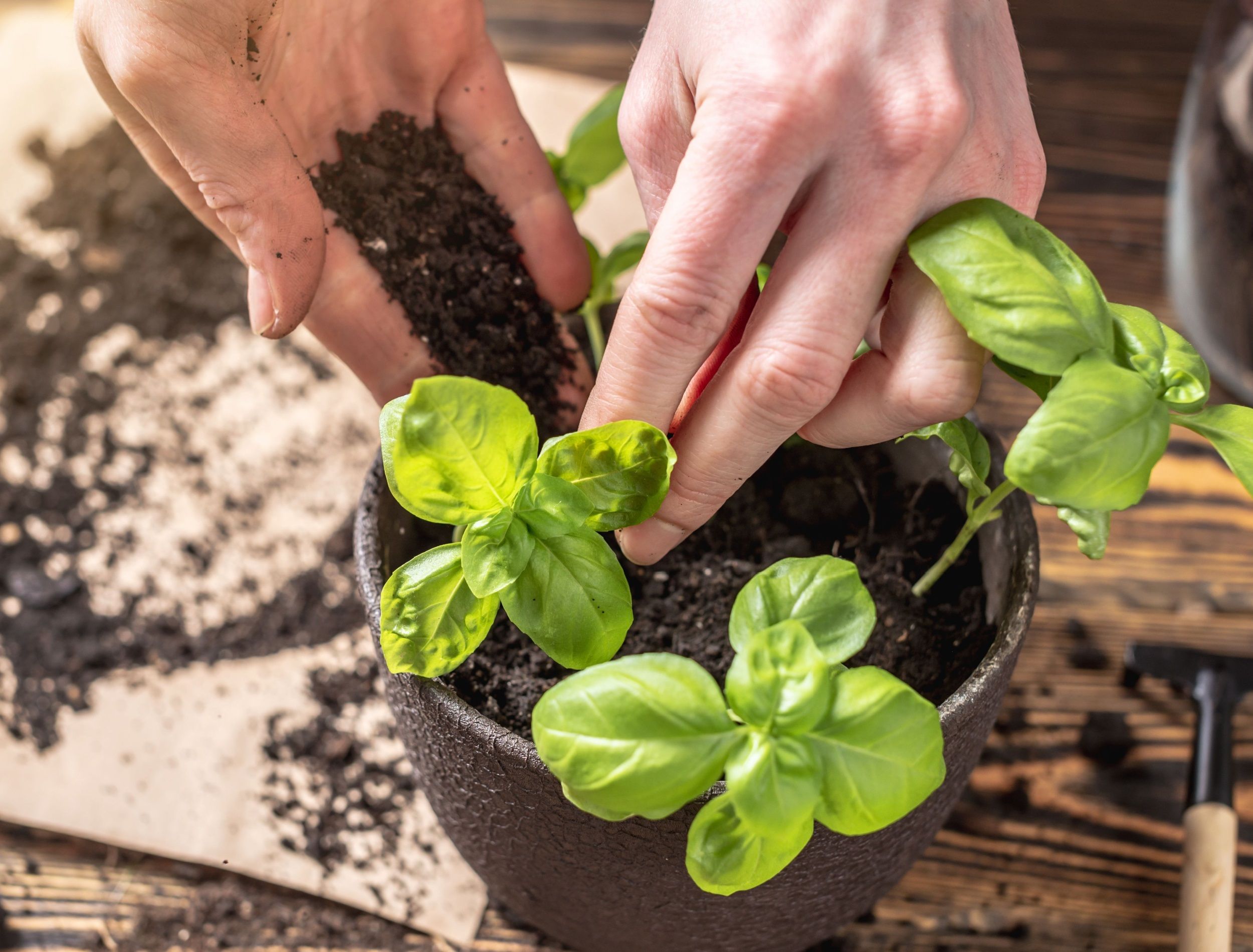
Imagine stepping into your backyard and being greeted by the fragrant aroma of fresh basil, ready to be plucked and added to your favorite dishes. It's not just a dream; growing basil from seed outdoors is a surprisingly simple and rewarding experience. Let's embark on this journey together and discover how to cultivate your own thriving basil patch!
Growing Basil From Seed Outdoors: A Comprehensive Guide
Basil, a culinary staple and a garden favorite, is relatively easy to grow from seed directly outdoors. However, there are several crucial factors to consider to ensure successful germination and a bountiful harvest. This guide will walk you through each step, from choosing the right basil variety to protecting your young plants from pests.
Choosing the Right Basil Variety for Outdoor Growing
Basil comes in a wide array of varieties, each with its own unique flavor profile and growth habits. When growing basil from seed outdoors, it's essential to select a variety that is well-suited to your local climate and growing conditions. Some popular and readily available options include:
Sweet Basil: The most common type, known for its classic basil flavor. Great for pesto, salads, and Italian dishes. Genovese Basil: Similar to sweet basil, but with a slightly spicier flavor. Often preferred for pesto. Thai Basil: Distinct anise or licorice flavor, often used in Southeast Asian cuisine. More heat tolerant than sweet basil. Lemon Basil: Offers a refreshing citrusy aroma and flavor, perfect for teas and salads. Purple Basil:Adds a visually appealing touch to your garden with its deep purple leaves, providing a slightly spicier flavor.
Consider your local climate when making your selection. In warmer climates, Thai basil may be a better choice than sweet basil. If you are looking for something unique, lemon basil can be a great conversation starter. Ultimately, the best variety is the one that you enjoy the most and that thrives in your garden.
When to Sow Basil Seeds Outdoors
Timing is everything when it comes to growing basil from seed outdoors. Basil is a warm-weather crop and is sensitive to frost. Therefore, it's crucial to wait until all danger of frost has passed before sowing your seeds. A soil temperature of at least 60°F (15°C) is ideal for germination. In most regions, this means waiting until late spring or early summer.
Here's a simple guideline to determine the best time to plant basil seeds outdoors:
1.Check your local frost dates: This information is usually available from your local extension office or online gardening resources.
2.Wait two weeks after the last expected frost: This will give the soil time to warm up sufficiently.
3.Monitor the soil temperature: Use a soil thermometer to ensure that the soil is at least 60°F (15°C).
If you are unsure about the weather, you can also start your basil seeds indoors a few weeks before the last frost and then transplant them outdoors once the weather warms up.
Preparing the Soil for Growing Basil
Basil thrives in well-drained, fertile soil with a p H between 6.0 and
7.5. Before sowing your seeds, take the time to prepare the soil properly. Follow these steps:
1.Choose a sunny location: Basil needs at least 6-8 hours of direct sunlight per day.
2.Clear the area: Remove any weeds, rocks, or debris from the planting area.
3.Amend the soil: Add compost or other organic matter to improve drainage and fertility.
4.Loosen the soil: Use a garden fork or tiller to loosen the soil to a depth of at least 12 inches.
5.Rake the surface: Rake the surface smooth to create a fine seedbed.
A well-prepared seedbed will provide the ideal conditions for basil seeds to germinate and establish strong roots. Amending the soil with organic matter is particularly important, as it will help to retain moisture and nutrients.
Sowing Basil Seeds Directly Outdoors
Once the soil is prepared and the weather is warm enough, it's time to sow your basil seeds. Here's how to do it:
1.Make shallow furrows: Use a trowel or your finger to create shallow furrows in the soil, about 1/4 inch deep.
2.Sow the seeds: Sprinkle the basil seeds evenly along the furrows, spacing them about 1 inch apart.
3.Cover the seeds: Gently cover the seeds with a thin layer of soil.
4.Water gently: Water the area gently with a watering can or a hose with a gentle spray nozzle. Be careful not to wash away the seeds.
5.Keep the soil moist: Keep the soil consistently moist until the seeds germinate, which usually takes 5-10 days.
Avoid overwatering, as this can lead to seed rot. A general rule is to water when the top inch of soil feels dry to the touch. Use a watering can to gently hydrate the soil. For a convenient and efficient way to water your garden, consider using a high-qualityGarden Hose 75 FT with 10-Function Nozzle, Leak-proof Metal Connector Water Hose, No Knots, Kink-Free, Lighter, Anti-Pets, Wear-Resistant, 3/4 GHT, Metal Hose for Garden, Yard, Outdoor found here: https://amzn.to/3Yv E0Bo. This type ofdurable garden water line will make watering your newly sown basil seeds a breeze.
Thinning and Spacing Basil Seedlings
After the basil seedlings emerge, you'll need to thin them out to provide adequate space for each plant to grow. Thinning is the process of removing some of the seedlings to prevent overcrowding.
1.Wait until the seedlings are a few inches tall: This will make it easier to handle them.
2.Select the strongest seedlings: Choose the seedlings that are the healthiest and most vigorous.
3.Remove the weaker seedlings: Use scissors or your fingers to carefully remove the weaker seedlings, leaving about 10-12 inches between plants.
The thinned seedlings can be transplanted to another location in your garden or discarded. Proper spacing is crucial for allowing the basil plants to receive adequate sunlight and air circulation, which will help to prevent diseases.
Caring for Basil Plants Grown from Seed
Once your basil plants are established, they require regular care to thrive. Here are some essential tips:
Water regularly: Water deeply when the top inch of soil feels dry to the touch. Avoid overwatering, as this can lead to root rot. Fertilize occasionally: Feed your basil plants with a balanced fertilizer every 2-3 weeks. Pinch off flower buds: Pinching off the flower buds will encourage the plant to produce more leaves. Once the basil plant flowers, it will stop producing as many leaves and the flavor will diminish. Harvest regularly: Harvest basil leaves regularly to encourage new growth. The more you harvest, the more the plant will produce. Protect from pests and diseases:Monitor your basil plants regularly for pests and diseases. Common pests include aphids, slugs, and Japanese beetles. Common diseases include powdery mildew and fungal leaf spots.
Protecting Basil Plants From Pests and Diseases
Basil plants are susceptible to a variety of pests and diseases. Taking preventative measures and addressing problems promptly can help keep your plants healthy and productive.
Aphids: These small, sap-sucking insects can weaken basil plants. Spray plants with a strong stream of water or use insecticidal soap. Introducing beneficial insects like ladybugs can also help control aphid populations. Slugs: Slugs can feast on basil leaves, especially young seedlings. Use slug bait, traps, or handpick them off the plants. Japanese Beetles: These beetles can skeletonize basil leaves. Handpick them off the plants or use insecticidal soap. Powdery Mildew: This fungal disease appears as a white, powdery coating on the leaves. Improve air circulation around the plants and apply a fungicide if necessary. Fungal Leaf Spots:These spots can be caused by various fungi. Remove infected leaves and apply a fungicide.
Organic pest control methods are preferred whenever possible to minimize the impact on the environment and beneficial insects. Regularly inspecting your basil plants for signs of pests or diseases will allow you to take action before the problem becomes severe.
Harvesting and Storing Basil Leaves
You can start harvesting basil leaves as soon as the plants are about 6-8 inches tall. Here's how to do it:
1.Pinch off the leaves: Use your fingers or scissors to pinch off the leaves just above a leaf node.
2.Harvest regularly: Harvest basil leaves regularly to encourage new growth.
3.Harvest before flowering: Harvest the leaves before the plant starts to flower, as the flavor will diminish after flowering.
There are several ways to store basil leaves:
Fresh: Store fresh basil leaves in a glass of water at room temperature or in the refrigerator for a few days. Dried: Dry basil leaves by hanging them upside down in a cool, dry place or by using a dehydrator. Frozen: Freeze basil leaves by blanching them in boiling water for a few seconds and then freezing them in freezer bags. Pesto: Make pesto and freeze it for later use.
Harvesting your basil regularly will not only provide you with a continuous supply of fresh leaves but will also encourage the plant to produce more growth. Experiment with different storage methods to find the one that works best for you.
Enjoying Your Homegrown Basil
Growing basil from seed outdoors is a rewarding experience that allows you to enjoy fresh, flavorful basil all season long. Whether you're making pesto, adding it to salads, or using it in your favorite recipes, homegrown basil will always be the best.