Picture this: you’re making a delicious pesto, but you're out of fresh basil! A quick trip to the grocery store solves the problem, but what if you could extend the life of that store-bought basil and create an endless supply? The good news is, with a little know-how, you absolutely can! Growing Basil From Store-Bought: A Complete Guide So, can you really grow basil from store bought bunches? Absolutely! It's a fantastic way to save money, reduce waste, and enjoy fresh basil whenever you need it. However, the success of growing basil from store bought depends on a few key factors. This article will walk you through the entire process, from selecting the right basil to harvesting your homegrown leaves. We'll cover everything you need to know to successfully propagate basil from your grocery store haul. Selecting the Right Store-Bought Basil for Propagation Not all store-bought basil is created equal when it comes to propagation. To increase your ...
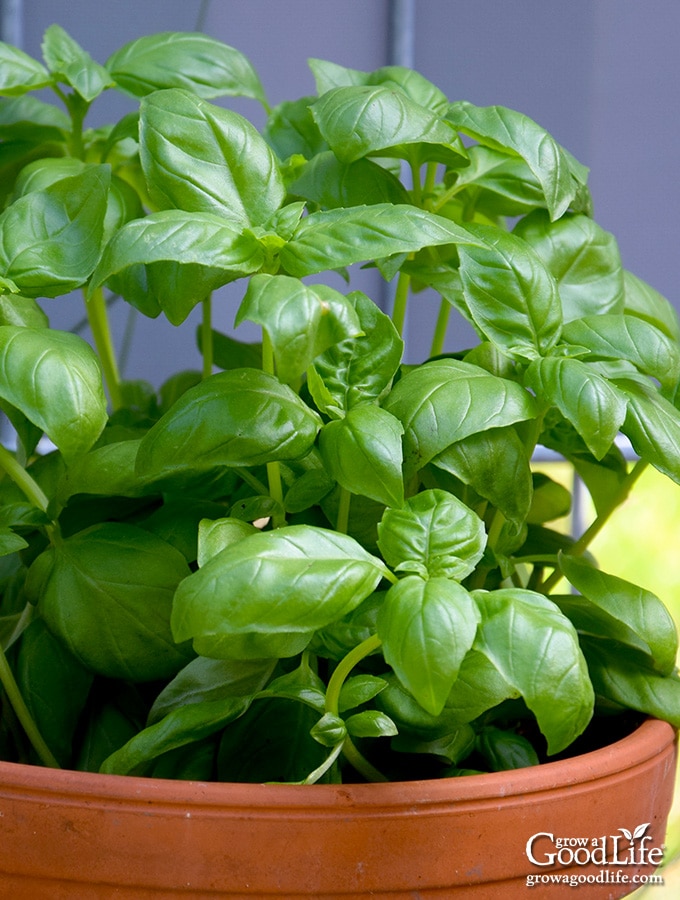
Imagine the aroma of fresh basil wafting through your kitchen, ready to be plucked for a Caprese salad or a flavorful pesto. Growing your own basil isn't just about having convenient access to this culinary herb; it's about experiencing the joy of nurturing a plant from seed to harvest. So, let's delve into the wonderful world of basil cultivation and unlock the secrets to a thriving basil patch.
How To Grow Basil: A Comprehensive Guide
Basil, a member of the mint family, is a beloved herb for its aromatic leaves and versatile culinary uses. From Italian classics to vibrant Thai dishes, basil adds a unique and refreshing flavor. Buthow to grow basil successfully? Let's explore the essential steps to cultivate your own bountiful basil garden.
Choosing the Right Basil Variety
The world of basil is surprisingly diverse, with each variety offering a unique flavor profile and appearance. Selecting the right basil variety is the first step in your journey of learninghow to grow basil. Here are a few popular options:
- Sweet Basil: The most common variety, known for its classic basil flavor, perfect for pesto and Italian dishes.
- Thai Basil: Offers a slightly anise-like flavor, ideal for Southeast Asian cuisine.
- Lemon Basil: A citrusy twist on traditional basil, great for salads and teas.
- Purple Basil: Adds a beautiful color and a slightly different flavor to your garden and dishes.
Consider your culinary preferences and garden space when selecting your basil varieties. Experimenting with different types can be a fun and rewarding way to discover your favorites. Remember to check if your local gardening store offers varieties specifically suited for your local climate.
Starting Basil From Seed vs. Transplants
You have two main options for starting your basil plants: from seed or from transplants (small plants you purchase from a nursery). Both methods have their advantages and disadvantages.
Starting Basil from Seed
Starting from seed is a cost-effective way to grow a large number of basil plants. However, it requires more time and attention. Here's how to do it:
- Sow Seeds Indoors: Start seeds indoors 6-8 weeks before the last expected frost. Use seed-starting trays or small pots filled with a seed-starting mix.
- Provide Warmth and Light: Basil seeds need warmth to germinate. A heat mat can be helpful. Provide plenty of light, either from a sunny window or a grow light.
- Keep Soil Moist: Water gently to keep the soil consistently moist but not waterlogged.
- Harden Off Seedlings: Gradually acclimate the seedlings to outdoor conditions before transplanting them. This process, called "hardening off," involves exposing them to increasing amounts of sunlight and fresh air over a week or two.
Starting from seed gives you more control over the entire growing process and allows you to choose from a wider range of varieties. This method is a great way to learnhow to grow basil while saving money. Just be patient, as it takes a little longer to get a harvest.
Using Basil Transplants
Buying transplants is a quicker and easier way to get started with basil. Simply purchase healthy-looking plants from a reputable nursery and transplant them into your garden. Look for plants with vibrant green leaves and sturdy stems. Here's what to consider when purchasing transplants:
- Check for pests and diseases: Inspect the plants carefully for any signs of pests or diseases before purchasing.
- Choose healthy plants: Select plants with strong stems, vibrant green leaves, and no signs of wilting or yellowing.
- Consider size: Choose transplants that are appropriately sized for your garden space.
Transplants offer a head start on the growing season and are ideal for gardeners who want to enjoy fresh basil sooner rather than later. It's also great for those just learninghow to grow basil. Just make sure you select healthy transplants to ensure a successful start.
Planting Basil in the Garden
Once your basil seedlings are hardened off or your transplants are ready, it's time to plant them in the garden. Here are the key factors to consider:
Choosing the Right Location
Basil thrives in warm, sunny locations with well-drained soil. Choose a spot in your garden that receives at least 6-8 hours of sunlight per day. Avoid areas that are prone to standing water. Ensure the soil is well-draining; basil dislikes soggy roots. Amending the soil with compost before planting can improve drainage and fertility.
Preparing the Soil
Basil prefers well-drained, fertile soil with a p H between 6.0 and
7.5. Before planting, amend the soil with compost or other organic matter to improve drainage and add nutrients. This will provide your basil plants with the nutrients they need to thrive. Good soil preparation is crucial for successfulhow to grow basil adventures.
Planting Techniques
When planting basil, space the plants 12-18 inches apart to allow for adequate air circulation. Dig a hole slightly larger than the root ball of the plant and gently loosen the roots before placing it in the hole. Backfill with soil and water thoroughly. Here are some helpful tips:
- Handle with care: Basil plants are delicate, so handle them gently during transplanting.
- Water thoroughly: Water the plants immediately after planting to help them establish their roots.
- Mulch around the plants: Mulching helps to retain moisture, suppress weeds, and regulate soil temperature.
Proper planting techniques will give your basil plants a strong start and set them up for healthy growth. Taking the time to prepare the soil and space the plants correctly will make a significant difference in your basil harvest. And it is an important part of learninghow to grow basil successfully.
Caring for Basil Plants
Once your basil plants are established, proper care is essential for promoting healthy growth and abundant harvests. This includes watering, fertilizing, pruning, and pest control.
Watering
Basil needs consistent moisture to thrive. Water deeply and regularly, especially during hot, dry weather. Avoid overhead watering, which can lead to fungal diseases. Instead, water at the base of the plants. Consider using a soaker hose or drip irrigation system for efficient watering. Here are some watering guidelines:
- Water when the top inch of soil feels dry: Check the soil moisture regularly to determine when to water.
- Water deeply: Water until the soil is thoroughly moist, but avoid overwatering, which can lead to root rot.
- Water early in the morning: This allows the foliage to dry before nightfall, reducing the risk of fungal diseases.
Fertilizing
Basil benefits from regular fertilization, especially during the growing season. Use a balanced fertilizer or a fertilizer specifically formulated for herbs. Apply fertilizer according to the package directions. Organic options, such as compost tea or fish emulsion, are also effective. Consider a slow-release fertilizer at planting time for continuous feeding. Follow these tips for fertilizing:
- Fertilize every 2-3 weeks: Apply fertilizer regularly during the growing season to provide your basil plants with the nutrients they need.
- Avoid over-fertilizing: Too much fertilizer can lead to leggy growth and reduced flavor.
- Use organic fertilizers: Organic fertilizers are a gentle and sustainable way to feed your basil plants.
Pruning
Pruning is essential for encouraging bushy growth and preventing basil plants from flowering. When basil plants start to develop flower buds, pinch them off to encourage the plant to produce more leaves. Regularly harvest leaves by pinching or cutting them off just above a leaf node. This encourages branching and promotes a fuller, more productive plant. Pruning is a crucial part ofhow to grow basil and maintain healthy plants. Some specific pruning tips include:
- Pinch off flower buds: Remove flower buds as soon as they appear to encourage leaf production.
- Harvest leaves regularly: Regular harvesting stimulates new growth and prevents the plant from becoming leggy.
- Prune back leggy stems: If the stems become too long and leggy, prune them back to encourage branching.
Pest and Disease Control
Basil is generally pest-resistant, but it can be susceptible to certain pests and diseases, such as aphids, spider mites, and fungal diseases. Inspect your plants regularly for signs of infestation or disease and take action promptly. Use organic pest control methods, such as insecticidal soap or neem oil, to control pests. Ensure good air circulation to prevent fungal diseases. Here's what to watch out for:
- Aphids: Small, sap-sucking insects that can cause distorted growth.
- Spider mites: Tiny pests that cause stippling on the leaves.
- Fungal diseases: Such as powdery mildew and downy mildew, which can cause leaf spots and discoloration.
To prevent pests and diseases, practice good garden hygiene, such as removing dead leaves and weeds. Regular monitoring and prompt action can help keep your basil plants healthy and productive. Knowinghow to grow basil includes knowing how to protect your plants.
Harvesting and Storing Basil
Harvesting basil at the right time and storing it properly will ensure that you can enjoy its fresh flavor for as long as possible.
When to Harvest
Harvest basil leaves when they are young and tender, before the plant flowers. The best time to harvest is in the morning, after the dew has dried. Snip off the leaves or entire stems using scissors or pruning shears. Regular harvesting encourages new growth and prevents the plant from becoming leggy. You can start harvesting basil as soon as the plant has several sets of true leaves. The more you harvest, the more the plant will produce. Knowing when to harvest is key to successfullyhow to grow basil and enjoy fresh herbs.
How to Store
Fresh basil can be stored in several ways, depending on how long you want to keep it. Here are a few options:
- In water: Place the stems of the basil in a glass of water, like cut flowers, and store it in the refrigerator. Change the water every day.
- In the refrigerator: Wrap the basil leaves in a slightly damp paper towel and store them in a plastic bag in the refrigerator.
- Frozen: Blanch the basil leaves briefly in boiling water, then freeze them in ice cube trays filled with water or olive oil.
- Dried: Dry basil leaves by hanging them upside down in a cool, dark place or using a dehydrator.
Choosing the right storage method will help you preserve the flavor and aroma of your fresh basil. Freezing or drying basil is a great way to enjoy it year-round. Once you knowhow to grow basil, make sure you also know how to store it!
To make your gardening experience easier and more enjoyable, consider investing in a quality Garden Hose 75 FT with 10-Function Nozzle, Leak-proof Metal Connector Water Hose, No Knots, Kink-Free, Lighter, Anti-Pets, Wear-Resistant, 3/4 GHT, Metal Hose for Garden, Yard, Outdoor. This versatile water hose provides a reliable and efficient way to water your basil plants and other garden favorites, ensuring they receive the hydration they need to thrive. You can find this incredible gardening tool here:https://amzn.to/3Yv E0Bo. A good quality expandable garden hose is an indispensable tool for any gardener and makes watering easier.
Troubleshooting Common Basil Problems
Even with the best care, you may encounter some challenges when growing basil. Here are some common problems and how to address them:
Yellowing Leaves
Yellowing leaves can be a sign of several issues, including overwatering, underwatering, nutrient deficiencies, or disease. Check the soil moisture and adjust your watering schedule accordingly. Fertilize with a balanced fertilizer to address any nutrient deficiencies. Inspect the plants for signs of disease and take action promptly. Yellowing leaves are a common problem whenhow to grow basil but can often be easily solved.
Leggy Growth
Leggy growth is often caused by insufficient light or improper pruning. Ensure that your basil plants are receiving at least 6-8 hours of sunlight per day. Prune back leggy stems to encourage branching and fuller growth. Regular pruning is crucial for maintaining healthy, bushy basil plants. Avoiding leggy growth is crucial when learning*how to grow basil.
Pest Infestations
Pest infestations can be a frustrating problem for basil growers. Inspect your plants regularly for signs of pests, such as aphids, spider mites, or whiteflies. Use organic pest control methods, such as insecticidal soap or neem oil, to control pests. Introduce beneficial insects, such as ladybugs, to help control pest populations naturally. Keeping an eye out for pests is important when*how to grow basil.
Conclusion
Growing your own basil can be a rewarding experience. By following these tips and providing your plants with the proper care, you can enjoy a bountiful harvest of fresh, flavorful basil all season long. From choosing the right variety to harvesting and storing your basil, each step is important for success. So, grab your seeds or transplants and get ready to enjoy the delicious taste of homegrown basil! Now that you know*how to grow basil, happy gardening!