Picture this: you’re making a delicious pesto, but you're out of fresh basil! A quick trip to the grocery store solves the problem, but what if you could extend the life of that store-bought basil and create an endless supply? The good news is, with a little know-how, you absolutely can! Growing Basil From Store-Bought: A Complete Guide So, can you really grow basil from store bought bunches? Absolutely! It's a fantastic way to save money, reduce waste, and enjoy fresh basil whenever you need it. However, the success of growing basil from store bought depends on a few key factors. This article will walk you through the entire process, from selecting the right basil to harvesting your homegrown leaves. We'll cover everything you need to know to successfully propagate basil from your grocery store haul. Selecting the Right Store-Bought Basil for Propagation Not all store-bought basil is created equal when it comes to propagation. To increase your ...
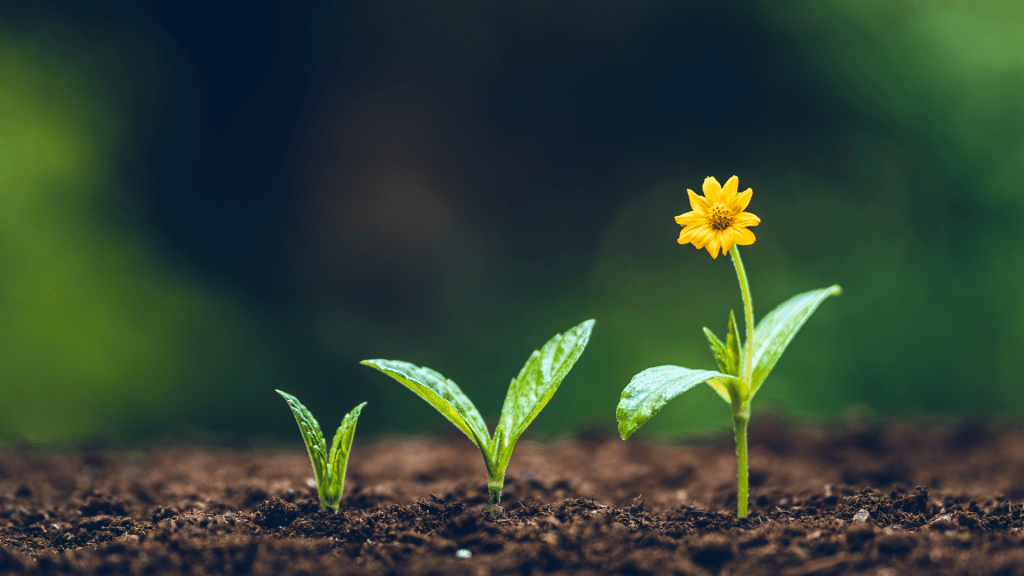
Imagine the aroma of fresh basil wafting through your kitchen, ready to be plucked and added to your favorite pesto or Caprese salad. Growing your own basil isn't just convenient; it's incredibly rewarding! And the best part? You can easily propagate new basil plants from your existing ones, ensuring a continuous supply of this culinary herb. Let's dive into the world of basil propagation!
Understanding Basil and Its Propagation Potential
Basil, scientifically known as Ocimum basilicum, is a tender annual herb beloved for its fragrant leaves and culinary versatility. What many don't realize is how incredibly easy it is to propagate basil from cuttings, effectively cloning your favorite variety. This process allows you to create new basil plants that are genetically identical to the parent plant, preserving its unique flavor and characteristics. Learning how to grow basil from an existing basil plant is a fantastic way to expand your herb garden without constantly buying new seedlings. There are several methods for basil propagation, including rooting cuttings in water or directly in soil. We'll focus primarily on the water propagation method, as it's generally considered the most straightforward and successful for beginners.
Choosing the Right Basil Plant for Propagation
Before you begin, it's crucial to select a healthy basil plant for propagation. This will significantly impact the success rate of your cuttings. Here's what to look for:
- Healthy Leaves: Select a basil plant with vibrant green, healthy leaves. Avoid plants with yellowing, browning, or spotted leaves, as these may indicate disease or nutrient deficiencies.
- Strong Stems: Choose stems that are sturdy and upright. Avoid stems that are weak, leggy, or damaged.
- No Flowers: Ideally, select stems that haven't yet flowered. While you can still propagate from flowering basil, the success rate may be lower, and the new plants might focus more on seed production than leaf growth. Pinching off any flower buds before taking cuttings is always a good idea.
- Mature Plant: A more mature basil plant generally offers a greater number of viable cuttings and healthier overall growth potential.
Consider your basil variety as well. While most basil varieties propagate easily, some might be more vigorous than others. Common varieties like Genovese, Sweet Basil, and Thai Basil are all excellent choices for propagation.
Step-by-Step Guide: How to Grow Basil From Basil Plant Cuttings
Now that you've selected your healthy basil plant, let's walk through the process of taking and rooting cuttings:
1. Taking Basil Cuttings
Use a clean, sharp knife or scissors to take cuttings from the selected basil plant. The most important aspect here is sanitation. Sterilize your cutting tools with rubbing alcohol to prevent the spread of disease. Aim for cuttings that are about 4-6 inches long. Make the cut just below a leaf node (the point where leaves grow out of the stem). Remove the lower leaves from the bottom 1-2 inches of the cutting. This exposes the nodes, which are where the roots will emerge. Leaving the lower leaves on can cause them to rot in the water, potentially contaminating the water and hindering root development.
2. Rooting Basil Cuttings in Water
Place the basil cuttings in a clean glass or jar filled with fresh, clean water. Ensure that only the bottom part of the stem (where you removed the leaves) is submerged. Avoid overcrowding the cuttings in the jar; give them enough space for proper root development. Place the jar in a bright location, but away from direct sunlight. Direct sunlight can scorch the cuttings and promote algae growth in the water. Change the water every 1-2 days to keep it fresh and oxygenated. This helps prevent the buildup of bacteria and fungi that can inhibit root growth. Within a week or two, you should see small roots emerging from the nodes. Let the roots grow to about an inch long before transplanting the cuttings to soil.
3. Planting Rooted Basil Cuttings in Soil
Once the roots are about an inch long, it's time to transplant your rooted basil cuttings into soil. Prepare small pots or containers with well-draining potting mix. A mixture of potting soil, perlite, and vermiculite is ideal. Gently remove the rooted cuttings from the water and plant them in the prepared pots. Dig a small hole in the soil, place the roots in the hole, and gently cover them with soil. Water the newly planted basil cuttings thoroughly. Keep the soil consistently moist but not waterlogged. Place the pots in a bright location, but away from direct sunlight for the first few days to allow the plants to adjust to their new environment. Gradually introduce them to more sunlight as they become established.
Caring for Your New Basil Plants
Once your basil plants are established, proper care is essential for healthy growth and abundant leaf production. Here are some tips:
- Sunlight: Basil thrives in full sun, requiring at least 6-8 hours of direct sunlight per day.
- Watering: Water regularly, especially during hot and dry weather. Keep the soil consistently moist but avoid overwatering, which can lead to root rot.
- Fertilizing: Feed your basil plants with a balanced liquid fertilizer every 2-3 weeks during the growing season.
- Pinching: Pinch off the tips of the stems regularly to encourage bushier growth and prevent flowering. Pinching above a leaf node will promote two new stems to grow, doubling your leaf production.
- Pest and Disease Control: Monitor your basil plants for pests such as aphids and spider mites. Treat any infestations promptly with insecticidal soap or neem oil. Avoid overhead watering to prevent fungal diseases.
Interesting Fact: Did you know that the act of pinching off basil flowers actually improves the flavor of the leaves? By preventing the plant from focusing on seed production, you encourage it to produce more flavorful oils in its leaves.
Troubleshooting Common Basil Propagation Problems
Even with careful attention, you might encounter some challenges during basil propagation. Here are some common problems and solutions:
- Cuttings Not Rooting: This could be due to several factors, including poor water quality, insufficient sunlight, or unhealthy cuttings. Ensure that you are using fresh water, providing adequate light, and selecting healthy cuttings from a vigorous plant.
- Cuttings Rotting: Rotting is often caused by bacterial or fungal infections. Change the water regularly, use clean containers, and avoid overcrowding the cuttings.
- Slow Root Growth: Slow root growth can be due to insufficient light or nutrient deficiencies. Provide bright, indirect light and consider adding a diluted liquid fertilizer to the water after a week.
- Wilting After Transplanting: Wilting is a common occurrence after transplanting and is usually caused by transplant shock. Keep the soil consistently moist and provide shade for the first few days to help the plants adjust.
Case Study: One common mistake many beginner gardeners make is using tap water straight from the faucet. Tap water often contains chlorine and other chemicals that can inhibit root growth. It's best to let tap water sit out for 24 hours to allow the chlorine to evaporate, or use filtered water instead.
Extending Your Basil Harvest
By mastering the art of basil propagation, you can extend your basil harvest far beyond a single growing season. Consider these strategies:
- Successive Planting: Start new cuttings every few weeks to ensure a continuous supply of fresh basil.
- Overwintering: Bring potted basil plants indoors during the winter months to protect them from frost. Provide them with adequate light and water, and they will continue to produce leaves throughout the winter.
- Seed Saving: Allow some of your basil plants to flower and collect the seeds. You can then sow these seeds in the spring to start new plants. However, keep in mind that plants grown from seed may not be identical to the parent plant.
Learning how to grow basil from basil plant is a skill that keeps on giving. You can enjoy fresh, flavorful basil whenever you desire!
To keep your basil plants, and your garden in general, thriving, a reliable watering system is essential. Consider investing in a qualitygarden hose like this 75 FT Garden Water Hose with a versatile 10-function nozzle, along with its durable, leak-proof metal connectors that can withstand the elements. Its lightweight and kink-free design makes watering a breeze. You can check it out here: https://amzn.to/3Yv E0Ba.