Picture this: you’re making a delicious pesto, but you're out of fresh basil! A quick trip to the grocery store solves the problem, but what if you could extend the life of that store-bought basil and create an endless supply? The good news is, with a little know-how, you absolutely can! Growing Basil From Store-Bought: A Complete Guide So, can you really grow basil from store bought bunches? Absolutely! It's a fantastic way to save money, reduce waste, and enjoy fresh basil whenever you need it. However, the success of growing basil from store bought depends on a few key factors. This article will walk you through the entire process, from selecting the right basil to harvesting your homegrown leaves. We'll cover everything you need to know to successfully propagate basil from your grocery store haul. Selecting the Right Store-Bought Basil for Propagation Not all store-bought basil is created equal when it comes to propagation. To increase your ...
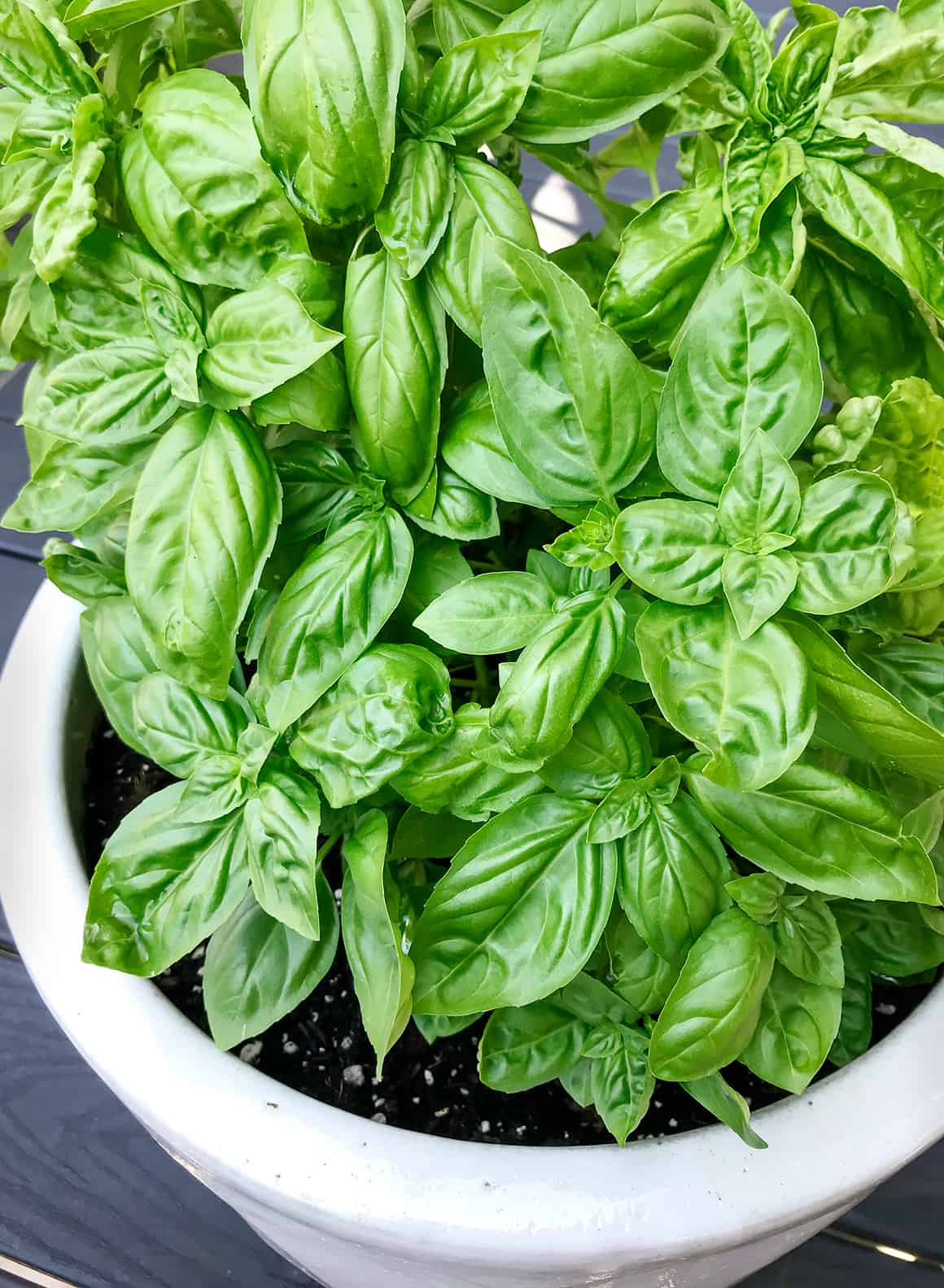
Ever wished you could multiply your basil plant without spending a dime? Growing basil from cuttings is not only incredibly easy, but also a rewarding way to expand your herb garden and enjoy fresh, fragrant basil all season long. Let's dive into the simple steps to propagate your own basil plants!
Why Propagate Basil from Cuttings?
Propagating basil from cuttings is an excellent way to create new basil plants that are genetic clones of the parent. This means you can easily replicate your favorite basil varieties with ease. This is unlike growing basil from seed, where variability can occur. Propagating through cuttings ensures the new plants will have the same characteristics as the original plant. In short, here are the key benefits:
- Cost-Effective: Free new basil plants from existing ones.
- Genetic Replication: Exact copies of the parent plant.
- Speed: Faster than growing from seed. You skip the germination phase, getting to the leafy green goodness faster.
- Simplicity: An easy process with high success rates, even for beginners.
Essential Tools and Materials for Taking Basil Cuttings
Before you start snipping, gathering the right tools and materials is essential for ensuring a successful propagation process. Here’s what you’ll need:
- Healthy Basil Plant: Choose a robust and disease-free parent plant.
- Sharp, Clean Scissors or Pruning Shears: Essential to prevent transmitting diseases and ensure clean cuts.
- Glass or Jar: To hold water for rooting the cuttings. A clear glass allows you to monitor root growth.
- Rooting Hormone (Optional): Can accelerate root development but isn’t strictly necessary. Look for a rooting hormone powder or liquid at your local garden center.
- Potting Mix: A well-draining potting mix for planting the rooted cuttings.
- Small Pots: To transplant the newly rooted cuttings.
How to Take Basil Cuttings: A Step-by-Step Guide
Taking basil cuttings is straightforward. Follow these steps for successful propagation:
1. Select the Right Stems
Choose healthy stems that are about 4-6 inches long. Look for stems with several sets of leaves and no signs of disease or pests. Avoid stems that are flowering, as the plant's energy will be directed towards producing flowers and seeds rather than roots.
2. Make the Cut
Using your clean scissors or pruning shears, make a clean cut just below a node (the point where leaves emerge from the stem). The cut should be at a 45-degree angle to increase the surface area for root development.
3. Prepare the Cutting
Remove the lower leaves from the bottom 1-2 inches of the stem. This prevents the leaves from rotting in the water and encourages root growth. Leave only the top set or two of leaves on the stem. If the remaining leaves are very large, you can trim them in half to reduce water loss.
4. Rooting in Water
Place the cutting in a glass or jar filled with fresh, clean water. Ensure that the lower nodes (where the leaves were removed) are submerged in the water but the remaining leaves are above the water line. Place the jar in a bright, indirect light location. Avoid direct sunlight, which can overheat the water and damage the cutting. Change the water every 1-2 days to prevent the growth of algae and bacteria.
5. Monitor Root Growth
Within a week or two, you should start to see small roots emerging from the nodes. Allow the roots to grow to at least an inch long before transplanting the cutting into soil. This ensures that the roots are strong enough to support the plant in its new environment.
Alternative Rooting Method: Directly in Soil
While water rooting is common, you can also root basil cuttings directly in soil. Dip the cut end of the stem in rooting hormone (optional), and then plant it in a small pot filled with well-draining potting mix. Keep the soil consistently moist but not waterlogged. Cover the pot with a plastic bag or humidity dome to create a humid environment, which helps prevent the cutting from drying out. Place the pot in a bright, indirect light location. Remove the plastic bag or dome for a few hours each day to allow for air circulation and prevent fungal growth.
Transplanting Your Rooted Basil Cuttings
Once the roots have grown to about an inch long, it's time to transplant your rooted basil cuttings into individual pots. Follow these steps for a smooth transition:
1. Prepare the Pots
Fill small pots (about 3-4 inches in diameter) with well-draining potting mix. Make a small hole in the center of each pot.
2. Carefully Remove the Cutting
Gently remove the rooted cutting from the water. Be careful not to damage the delicate roots.
3. Plant the Cutting
Place the cutting in the hole in the potting mix, ensuring that the roots are covered. Gently press the soil around the stem to secure the cutting in place.
4. Water Thoroughly
Water the newly planted cutting thoroughly, allowing the excess water to drain out of the bottom of the pot.
5. Provide Proper Care
Place the pots in a bright, indirect light location. Keep the soil consistently moist but not waterlogged. Avoid exposing the cuttings to direct sunlight, which can scorch the leaves. After a week or two, you can gradually acclimate the plants to more sunlight. Fertilize the plants with a balanced liquid fertilizer every 2-3 weeks to promote healthy growth.
Caring for Your New Basil Plants
Once your basil plants are established, proper care is essential for ensuring they thrive. Here are some tips for maintaining healthy basil plants:
- Sunlight: Basil plants need at least 6-8 hours of sunlight per day.
- Watering: Water regularly, keeping the soil consistently moist but not waterlogged. Avoid overhead watering, which can promote fungal diseases.
- Fertilizing: Fertilize every 2-3 weeks with a balanced liquid fertilizer.
- Pruning: Regularly prune your basil plants to encourage bushier growth and prevent flowering. Pinch off the flower buds as soon as they appear, as flowering can reduce the flavor and productivity of the plant.
- Pest and Disease Control: Monitor your basil plants regularly for signs of pests and diseases. Treat any infestations or infections promptly. Common pests include aphids, spider mites, and whiteflies. Common diseases include fungal diseases such as downy mildew and powdery mildew.
For effective watering and to keep your new basil plants thriving, consider using a reliable Garden Hose 75 FT with a versatile 10-Function Nozzle. This leak-proof metal connector water hose is designed to be kink-free and wear-resistant, making it perfect for maintaining your garden. You can find this great tool here: https://amzn.to/3Yv E0Bo.
Troubleshooting Common Issues
While propagating basil from cuttings is generally easy, you may encounter some common issues. Here's how to troubleshoot them:
- Cuttings Rotting: This is often caused by overwatering or poor drainage. Ensure that the soil is well-draining and that you are not overwatering the cuttings. Also, ensure that the water is changed frequently when rooting in water.
- Lack of Root Growth: This can be caused by a lack of light or improper water levels. Ensure that the cuttings are receiving bright, indirect light and that the water is changed regularly. Using rooting hormone can also help stimulate root growth.
- Yellowing Leaves: This can be caused by overwatering, underwatering, or nutrient deficiencies. Check the soil moisture and adjust your watering accordingly. Fertilize the plants with a balanced liquid fertilizer to provide them with the necessary nutrients.
- Pest Infestations: Monitor your basil plants regularly for signs of pests such as aphids, spider mites, and whiteflies. Treat any infestations promptly with insecticidal soap or neem oil.
Conclusion: Expanding Your Basil Patch
Growing basil from cuttings is a simple and rewarding way to expand your herb garden and enjoy a continuous supply of fresh, flavorful basil. By following these steps and providing proper care, you can easily propagate your own basil plants and enjoy the benefits of this versatile herb. Whether you're a beginner or an experienced gardener, propagating basil from cuttings is a skill that will serve you well for years to come. Happy growing!