Picture this: you’re making a delicious pesto, but you're out of fresh basil! A quick trip to the grocery store solves the problem, but what if you could extend the life of that store-bought basil and create an endless supply? The good news is, with a little know-how, you absolutely can! Growing Basil From Store-Bought: A Complete Guide So, can you really grow basil from store bought bunches? Absolutely! It's a fantastic way to save money, reduce waste, and enjoy fresh basil whenever you need it. However, the success of growing basil from store bought depends on a few key factors. This article will walk you through the entire process, from selecting the right basil to harvesting your homegrown leaves. We'll cover everything you need to know to successfully propagate basil from your grocery store haul. Selecting the Right Store-Bought Basil for Propagation Not all store-bought basil is created equal when it comes to propagation. To increase your ...
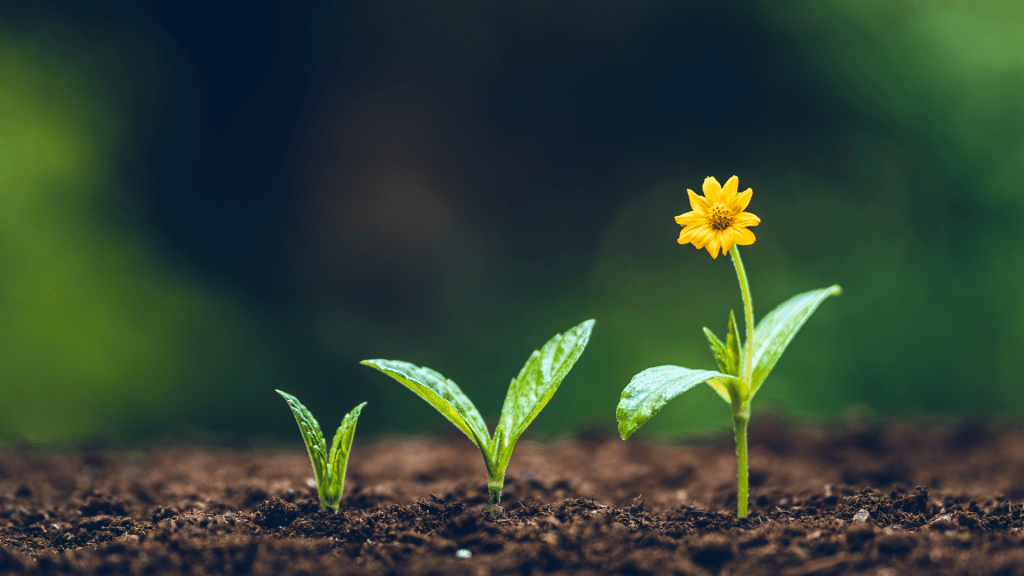
There’s something truly magical about nurturing a tiny seed into a thriving plant, especially when that plant fills your kitchen with the intoxicating aroma of fresh basil. Imagine snipping fragrant leaves from your own homegrown basil plant to add a burst of flavor to your pasta, pesto, or summer salads. Growing basil from seed is easier than you might think, and doing it in a pot allows you to enjoy this culinary herb even if you don't have a sprawling garden. Let’s dive into the wonderful world of growing basil from seed in a pot!
Why Grow Basil From Seed in a Pot?
Growing basil from seed in a pot offers a multitude of benefits, making it an appealing option for gardeners of all levels, from beginners to seasoned pros. Here's why you should consider starting your basil journey from seed in a container:
- Space Saving: Potted basil is perfect for small spaces like apartments, balconies, or patios. You don't need a large garden to enjoy fresh herbs.
- Controlled Environment: You have complete control over the soil, watering, and sunlight exposure, allowing you to create the ideal conditions for your basil to thrive.
- Mobility: You can easily move your basil plant to follow the sun or protect it from harsh weather conditions like frost or excessive heat.
- Cost-Effective: Growing basil from seed is significantly cheaper than buying established basil plants from a nursery, especially if you plan on using a lot of basil.
- Variety: Starting from seed gives you access to a wider range of basil varieties that might not be available as transplants. You can experiment with different flavors and colors.
Think about the satisfaction of knowing you nurtured your basil plant from the very beginning. You'll be rewarded with a continuous supply of fresh, flavorful basil, and you'll also learn valuable gardening skills along the way. It's a win-win!
Choosing the Right Basil Variety
Basil isn’t just basil! There's a whole world of varieties, each with its unique flavor profile, aroma, and appearance. Selecting the right basil variety is essential for ensuring your growing experience is both enjoyable and fruitful. Here are a few popular options to consider when growing basil from seed in a pot:
Sweet Basil
This is the most common and widely recognized type of basil. It has a classic, sweet, and slightly peppery flavor that's perfect for Italian dishes, pesto, and salads. Sweet basil is relatively easy to grow and readily available in most seed catalogs and garden centers. Genovese basil is a popular cultivar within sweet basil that's favored for making authentic pesto.
Thai Basil
Thai basil boasts a distinctive anise or licorice-like flavor that sets it apart from sweet basil. It has slightly pointed leaves and purple stems, adding a touch of visual interest to your garden. This variety is a staple in Southeast Asian cuisine, especially in stir-fries, soups, and curries. If you love those flavors, make sure to grow this variety!
Lemon Basil
As the name suggests, lemon basil has a bright, citrusy flavor that complements fish, chicken, and salads beautifully. Its aroma is equally refreshing, making it a delightful addition to any herb garden. The leaves are typically smaller and more delicate than sweet basil.
Purple Basil
Purple basil is not only visually stunning with its deep purple leaves but also offers a unique flavor profile that's slightly spicier than sweet basil. It's a great way to add color and depth to your dishes. The flavor can vary depending on the specific cultivar, so experiment to find your favorite.
Other Varieties
Beyond these common varieties, you can explore other interesting types of basil like lime basil (with a distinct lime flavor), cinnamon basil (with a warm, spicy aroma), and globe basil (a compact, rounded variety that's ideal for containers). Don’t be afraid to experiment and discover your personal favorite!
Here's a table summarizing some popular basil varieties:
| Variety | Flavor Profile | Best Uses | Appearance |
|---|---|---|---|
| ---------------- | ------------------------- | ---------------------------------------------- | ------------------------------------------------ |
| Sweet Basil | Sweet, slightly peppery | Italian dishes, pesto, salads | Classic green leaves |
| Thai Basil | Anise, licorice-like | Southeast Asian cuisine, stir-fries, soups | Pointed leaves, purple stems |
| Lemon Basil | Bright, citrusy | Fish, chicken, salads | Smaller, delicate leaves |
| Purple Basil | Spicy | Salads, sauces, garnishes | Deep purple leaves |
| Lime Basil | Lime | Cocktails, Asian dishes | Green leaves with lime scent |
Gathering Your Supplies
Before you embark on your basil-growing adventure, it's essential to gather all the necessary supplies. Having everything on hand will make the process smoother and more enjoyable. Here's a checklist of what you'll need:
- Basil Seeds: Choose your desired basil variety and purchase seeds from a reputable supplier.
- Pot: Select a pot that's at least 6-8 inches in diameter to provide ample space for the basil plant to grow. Ensure the pot has drainage holes to prevent waterlogging.
- Potting Mix: Use a high-quality potting mix that's well-draining and contains essential nutrients. Avoid using garden soil, as it can be too heavy and compact for container gardening.
- Seed Starting Tray (Optional): If you prefer to start your seeds indoors, a seed starting tray with individual cells can be helpful.
- Watering Can or Spray Bottle: You'll need a gentle watering can or spray bottle to moisten the soil without disturbing the seeds.
- Warm, Sunny Location: Basil thrives in warm temperatures and needs at least 6-8 hours of sunlight per day.
- Plant Labels: If you're growing multiple basil varieties, label them to avoid confusion.
It might also be useful to have a small trowel, some fertilizer, and possibly some mulch for later stages, but the items on the list are what you absolutely need to start. Think of this initial investment as an investment in fresh, flavorful basil for months to come!
The Seeding Process: Planting Your Basil Seeds
Now comes the exciting part: planting your basil seeds! This is where the magic begins. Follow these step-by-step instructions to ensure a successful start:
- Prepare the Pot: Fill your chosen pot with the high-quality potting mix, leaving about an inch of space from the top. Gently tamp down the soil to create a firm surface.
- Sow the Seeds: Sprinkle the basil seeds evenly over the surface of the soil. Basil seeds are quite small, so avoid overcrowding them. A good rule of thumb is to space them about ½ inch apart.
- Cover the Seeds: Lightly cover the seeds with a thin layer of potting mix, about ¼ inch thick. This will help protect the seeds and retain moisture.
- Water Gently: Use a watering can or spray bottle to gently moisten the soil. Avoid overwatering, as this can cause the seeds to rot. The goal is to keep the soil consistently moist but not soggy.
- Provide Warmth and Sunlight: Place the pot in a warm, sunny location that receives at least 6-8 hours of sunlight per day. If you're starting your seeds indoors, you may need to use a grow light to supplement the natural light.
- Maintain Moisture: Keep the soil consistently moist by watering regularly. Check the soil moisture level daily and water when the top inch feels dry to the touch.
Within 7-14 days, you should start to see tiny seedlings emerging from the soil. Once the seedlings have developed their first set of true leaves (the second set of leaves that appear after the initial seed leaves), you can thin them out to ensure they have enough space to grow. Choose the strongest seedlings and carefully snip off the weaker ones at the soil line.
Caring for Your Basil Plant
Once your basil seedlings have emerged and are thriving, it's time to provide them with the ongoing care they need to flourish. Here are some essential tips for caring for your potted basil plant:
- Watering: Basil needs consistent moisture, but it doesn't like to sit in soggy soil. Water your basil plant when the top inch of soil feels dry to the touch. Water deeply, allowing the water to drain out of the drainage holes. Avoid getting water on the leaves, as this can promote fungal diseases.
- Sunlight: Basil thrives in full sun, meaning it needs at least 6-8 hours of direct sunlight per day. If you're growing your basil indoors, place it near a sunny window or use a grow light to supplement the natural light.
- Fertilizing: Basil is a relatively heavy feeder, meaning it needs regular fertilization to support its growth. Feed your basil plant every 2-3 weeks with a balanced liquid fertilizer diluted to half strength.
- Pinching: Pinching is a technique that encourages bushy growth and prevents the basil plant from flowering too early. When the plant is about 6 inches tall, pinch off the top set of leaves. Continue pinching off the tops of the stems every few weeks to promote branching.
- Pest Control: Basil is relatively pest-resistant, but it can occasionally be affected by aphids, spider mites, or whiteflies. Inspect your plant regularly for signs of infestation and take action promptly. You can often control pests by spraying the plant with a strong stream of water or using insecticidal soap.
- Harvesting: Harvest your basil regularly to encourage continued growth and prevent the plant from going to seed. Simply snip off the leaves as needed, starting with the top leaves. Avoid removing more than one-third of the plant at a time.
By following these simple care tips, you can ensure that your basil plant remains healthy and productive throughout the growing season. Remember that observation is key – pay attention to your plant's needs and adjust your care accordingly.
Common Problems and Solutions
Even with the best care, you might encounter some common problems when growing basil from seed in a pot. Here's a rundown of potential issues and how to address them:
- Yellowing Leaves: Yellowing leaves can indicate a variety of problems, including overwatering, underwatering, nutrient deficiencies, or pest infestations. Check the soil moisture level, adjust your watering schedule, and fertilize your plant as needed. Inspect the plant for pests and take appropriate action.
- Leggy Growth: Leggy growth, characterized by long, spindly stems and few leaves, is often a sign of insufficient sunlight. Move your basil plant to a sunnier location or supplement with a grow light. Pinching the plant can also help to encourage bushier growth.
- Fungal Diseases: Fungal diseases like powdery mildew or downy mildew can affect basil plants, especially in humid conditions. Ensure good air circulation around the plant and avoid getting water on the leaves. If you spot signs of fungal disease, remove the affected leaves and treat the plant with a fungicide.
- Pest Infestations: Aphids, spider mites, and whiteflies can all attack basil plants. Inspect your plant regularly for signs of infestation and take action promptly. You can often control pests by spraying the plant with a strong stream of water or using insecticidal soap.
- Bolting (Flowering): Once basil starts to flower (bolt), the leaves can become bitter. To prevent bolting, pinch off the flower buds as soon as they appear. Regular harvesting can also help to delay bolting.
By being aware of these potential problems and knowing how to address them, you can keep your basil plant healthy and productive.
Harvesting and Using Your Homegrown Basil
Harvesting your homegrown basil is one of the most rewarding aspects of growing this fragrant herb. Not only do you get to enjoy the fresh, flavorful leaves, but regular harvesting also encourages the plant to grow bushier and produce even more leaves. Here's how to harvest and use your basil:
Harvesting Techniques
- Pinch or Snip: Use your fingers to pinch off the top leaves or use scissors to snip off stems.
- Harvest Regularly: Harvest your basil plant frequently, even if you don't need a lot of leaves at once. This will encourage the plant to produce new growth.
- Avoid Over-Harvesting: Don't remove more than one-third of the plant at a time, as this can stress the plant.
- Harvest Before Flowering: Once basil starts to flower (bolt), the leaves can become bitter. Harvest the leaves before the plant starts to flower, or pinch off the flower buds as soon as they appear.
Using Your Fresh Basil
- Culinary Uses: Basil is a versatile herb that can be used in a wide variety of dishes. It's a staple in Italian cuisine, perfect for pesto, pasta sauces, pizzas, and salads. Basil also complements other flavors like tomatoes, mozzarella, garlic, and olive oil. Explore other global cuisines like Thai dishes too.
- Garnish: Fresh basil leaves make an attractive and flavorful garnish for soups, salads, and entrees.
- Herbal Teas: Basil can be used to make a refreshing and aromatic herbal tea. Simply steep fresh basil leaves in hot water for a few minutes.
- Basil-Infused Oil or Vinegar: Infuse olive oil or vinegar with fresh basil leaves to create a flavorful condiment for salads, marinades, or dipping.
- Preserving Basil: If you have a bumper crop of basil, you can preserve it for later use by drying, freezing, or making pesto.
Experiment with different ways to use your homegrown basil and discover your favorite recipes. There's nothing quite like the taste of fresh basil straight from your garden!
To keep your garden lush and well-hydrated, consider using a high-quality watering system. A fantastic option is the Garden Hose 75 FT with 10-Function Nozzle. This leak-proof, metal connector water hose is knot-free and kink-free, making watering a breeze. It's lighter and more wear-resistant than traditional hoses, and it even features an anti-pet design. It comes with a 3/4 GHT metal hose, perfect for your garden, yard, and outdoor needs. It can be found here: https://amzn.to/3Yv E0Bo
Conclusion: Enjoying the Fruits (or Leaves!) of Your Labor
Growing basil from seed in a pot is a rewarding and accessible gardening experience that can bring a touch of freshness and flavor to your life. By following these tips and techniques, you can successfully cultivate your own thriving basil plant, even if you have limited space or gardening experience. From selecting the right variety to nurturing your seedlings and harvesting the fragrant leaves, every step of the process is an opportunity to connect with nature and enjoy the fruits (or leaves!) of your labor. So, grab your seeds, potting mix, and pot, and get ready to embark on your basil-growing adventure! The delicious aromas and flavors of homegrown basil await.